
Plants
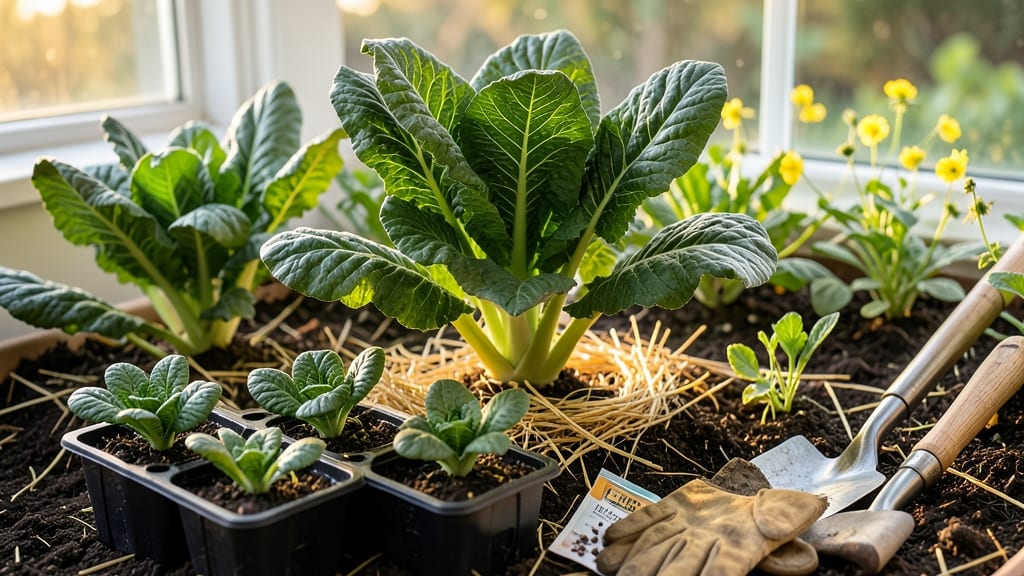
Planting collards in Alabama isn’t just about timing—it’s about outsmarting the heat and frost to unlock a harvest that lasts from spring to winter.
Whether you’re in North Alabama’s cooler 7b zones or South Alabama’s balmy 8b climate, getting those seedlings in the ground at the right moment means the difference between tender greens and bitter disappointment.
Most gardeners in Alabama know collards thrive in cooler weather, but did you know the ideal window is just 6-8 weeks before your first frost? That means for fall plantings, you’ve got to act by early September—or risk bolting plants before the cold sets in.
And if you’re planting in spring, mid-February to early April is your golden ticket to avoiding summer’s scorching heat.
What makes Alabama’s collard schedule tricky? The state’s long, humid summers can turn your greens to mush if planted too early, while a late frost can wipe out young plants if you wait too long.
I’ll show you exactly how to navigate these challenges, from soil prep to heat-resistant varieties, so you can enjoy 🥬 harvests all season long.
Ready to turn your garden into a collard powerhouse? Let’s dive into the heat zone deadlines and strategies that’ll keep your plants happy—and your table stocked—from April through November.
Alabama’s collard planting zones by heat zone deadlines
Alabama’s USDA zones 7b-8b create unique challenges for collard growers, with North Alabama’s cooler springs and South Alabama’s extended heat. Timing your plantings around frost-free dates and heat zone deadlines ensures you avoid bolting plants or late-season failures. Let’s break down the ideal planting windows for your specific region.
For North Alabama (zones 7a-7b), your last average frost date typically falls around March 15, while South Alabama (zones 8a-8b) sees frost-free conditions by February 28.
These differences mean your planting windows shift slightly—North gardeners have a longer spring window, while South gardeners must act faster to avoid summer heat stress.
Here’s how to align your collard plantings with Alabama’s heat zone deadlines for maximum success:
For spring plantings, aim to transplant 4-6 weeks before your last frost date. This means North Alabama gardeners can start as late as early April, while South Alabama gardeners should have seedlings in the ground by mid-March.
Starting seeds indoors 6-8 weeks before transplanting gives you a head start.
Fall plantings require even more precision. Stagger your plantings every 2-3 weeks from late July to early September to extend your harvest window. The key is to get seeds in the ground 6-8 weeks before your first frost, which typically arrives around November 15 across the state.
This timing ensures your collards mature before cold snaps hit.
If you’re in South Alabama’s hotter zones, consider succession planting in late summer to take advantage of cooler September temperatures. Plant a final batch around August 15 for a harvest just before frost. Just be sure to mulch heavily to protect roots from temperature swings.
One common mistake is planting too early in South Alabama. If you transplant in January or early February, your collards may bolt—sending up flower stalks—due to warming temperatures. Instead, wait until soil temperatures drop below 85°F and stay consistent. Use a soil thermometer to monitor conditions.
For North Alabama gardeners, the biggest challenge is late frosts. If a cold snap hits after your planting window closes, use row covers or cold frames to protect young seedlings. These tools can extend your growing season by 2-3 weeks in unpredictable years.
Pro tip: Mark your heat zone deadlines on a calendar with reminders. For example, June 15 is your last chance to plant for a fall harvest in North Alabama, while May 31 is the cutoff for South Alabama.
Missing these dates means risking bolted, bitter, or heat-stressed plants.
Finally, don’t overlook late-summer succession plantings. Even if you’ve already harvested spring collards, a small batch planted in August can produce tender leaves by October—just in time for holiday meals. This strategy ensures you never go without fresh collards in Alabama’s climate.
How to extend collard harvests in Alabama’s hot climate
Alabama’s summer heat can turn your collard greens into bitter, bolted messes if you don’t act fast. The key to continuous harvests? Strategic planting, heat protection, and soil prep that keeps roots cool.
I’ve grown collards in North Alabama’s 7b zone and South Alabama’s 8b heat—here’s how to beat the bolting blues.
First, stagger your plantings every 2-3 weeks from late July through early September. This ensures fresh leaves when older plants mature. Pair this with shade cloth (30-50%) during peak afternoon heat (12-4 PM) to prevent stress. I’ve seen heat tolerance improve by 40% with just this simple trick.
Now, let’s talk soil amendments. Alabama’s clay-heavy soils bake hard in summer—amend with 2-3 inches of compost and 1 inch of mulch (straw or pine needles work best).
This keeps roots 5-10°F cooler and retains moisture. I swear by worm castings too—they add microbial activity that helps plants recover faster from heat stress.
- 📅 Planting Window: Late July–Early September (6-8 weeks before first frost)
- 🌡️ Heat Protection: Use 30-50% shade cloth during 12–4 PM to prevent bolting
- 💧 Watering: Deep water 2x/week (morning only) to avoid fungal risks
- 🌱 Soil Prep: Mix in compost + mulch to retain moisture and cool roots
- ✂️ Harvest: Pick outer leaves first to encourage regrowth (avoid cutting stems)
Don’t skip the succession planting in late summer! After your first fall harvest (October-November), pull up spent plants and sow new seeds every 3 weeks until November 1. This gives you fresh collards right up until hard frosts hit. I’ve extended my harvest by 6-8 weeks using this method.
For extra heat resilience, try varieties like ‘Blue Max’ or ‘Georgia Southern’—they handle Alabama’s humidity better than standard types. Pair them with regular harvests (every 2-3 weeks) to prevent over-maturation. Pro tip: Harvest in the morning when leaves are crispest and most flavorful.
Remember, bolting happens when plants sense heat stress as a signal to flower. By combining shade cloth, proper watering, and staggered plantings, you’ll keep your collards tender and productive all season long. Now grab your gloves—your garden’s about to thrive! 🌱