
Plants
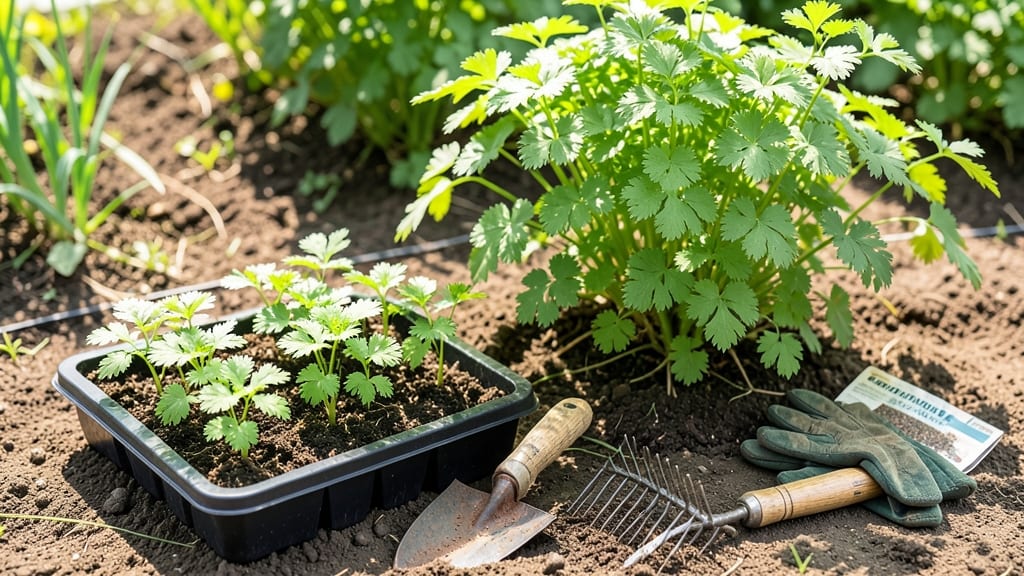
Planting cilantro in Ohio at the wrong time can turn your fresh herb dreams into bitter disappointment—because one heatwave is all it takes for this 🌿 to bolt and taste like soap. The secret to lush, flavorful harvests? Timing it right with Ohio’s fickle frost dates and short growing season.
Spring and fall are your best bets, but even then, USDA Zone 6a gardeners need a precise window to avoid early frost or scorching summer heat.
I’ll break down the exact March–April and September–October planting dates that work in Ohio, plus how to stretch your harvest with simple tricks like shade cloth and succession planting.
Whether you’re a beginner or a seasoned gardener, these strategies will help you grow cilantro that stays tender and delicious—no bolting in sight. Let’s get your Ohio garden producing fresh 🌿 all season long.
Ready to master the timing? Here’s how to sync your cilantro with Ohio’s climate for zero bolt, maximum flavor.
Ohio’s cilantro planting zones: frost dates by region
Ohio’s USDA zones 5b-6a create a delicate balance for growing cilantro. The last spring frost typically arrives between April 15 and May 1, while the first fall frost hits between October 15 and November 1.
These dates vary by region—rural areas tend to have earlier frosts than urban heat islands, which can delay frost by 1-2 weeks.
Cilantro thrives in cool weather but bolts when temperatures exceed 75°F for prolonged periods. In Ohio, this means spring and fall are your best planting windows. Summer heat will turn your cilantro bitter and flowery within weeks, so timing is everything.
Here’s how to align your planting with Ohio’s microclimates. Urban gardens (like Columbus or Cleveland) often stay warmer longer due to concrete and buildings, while rural areas (like Appalachian Ohio) cool down faster.
Adjust your planting dates accordingly—urban areas may need to plant cilantro 2 weeks later in spring and 2 weeks earlier in fall.
| Zone | Last Spring Frost | First Fall Frost | Spring Planting Window | Fall Planting Window | Heat Threshold (°F) |
|---|---|---|---|---|---|
| 5b (Northeast Ohio) | April 20 - May 1 | October 10 - 15 | April 15 - May 10 | August 20 - September 10 | 70°F (3 days over) |
| 6a (Central/Southwest Ohio) | April 10 - 20 | October 20 - 30 | April 1 - April 30 | September 1 - October 15 | 75°F (2 days over) |
| Urban Microclimate (Columbus/Cleveland) | April 25 - May 5 | October 5 - 10 | May 1 - May 20 | August 30 - September 20 | 80°F (1 day over) |
For Zone 5b (northeastern Ohio), cilantro can handle slightly earlier springs and cooler falls. Start seeds indoors 4-6 weeks before your last frost date to give seedlings a head start.
In Zone 6a (central and southwest Ohio), you’ve got a longer growing window, but don’t wait too late—cilantro planted after April 30 risks bolting before you can harvest.
Urban gardeners should pay extra attention to microclimates. A south-facing wall or rooftop garden can add 5-10°F of warmth, pushing your frost dates back by 1-2 weeks. If you’re in a heat-prone urban area, opt for shade-tolerant varieties like ‘Santo’ or ‘Calypso’ to delay bolting.
To avoid bolting, monitor soil temperatures. Cilantro grows best when soil stays between 60°F and 70°F. Use a soil thermometer to check—if temps rise above 75°F for more than 2-3 days, your cilantro will start flowering.
In summer heat, provide afternoon shade with a cloche or row cover to buy extra time.
Fall planting is your second chance for cilantro in Ohio. Seed directly into the garden 8-10 weeks before your first frost (typically by September 1). For Zone 5b, aim for August 20 to ensure harvests before frost.
In Zone 6a, you can push it to September 15, but watch for early frosts in October.
Pro tip: Succession planting every 2 weeks in spring and fall ensures a continuous harvest. Sow a small batch every 14 days—this way, you’ll always have fresh cilantro while older plants bolt. Pair cilantro with basil or dill to improve flavor and deter pests.
Remember, Ohio’s frost dates aren’t set in stone. Check your local Cooperative Extension office or use a frost calendar app for real-time updates. With the right timing, you can enjoy homegrown cilantro from May through November—no bitter bolts in sight!
Step-by-step cilantro planting calendar for Ohio gardens
Ohio’s cool spring and mild fall seasons create perfect windows for cilantro, but timing is everything. Plant too early, and frost will nip your seedlings. Wait too long, and summer heat will send your cilantro bolting into 🌿 oblivion.
The key? Strategic planting dates tied to soil temperatures and frost risks.
Below is your month-by-month guide to growing cilantro in Ohio, complete with 30-day harvest countdowns and shade strategies to beat the heat. Whether you’re sowing seeds or transplanting starts, these windows will keep your cilantro tender and flavorful all season.
- 1
- 2
- 3
- 4
- 5
For spring plantings, aim for soil temps between 45–75°F. Use a soil thermometer to check—cilantro roots struggle in colder or hotter soil. In summer, shade cloth (30–50%) can extend harvests by 2–3 weeks, while containers let you move plants to cooler spots as needed.
Succession planting is your secret weapon: Sow new seeds every 2–3 weeks in spring/fall to avoid gaps. For example, if your first batch bolts in June, a late-May planting will still yield fresh leaves by early July. Pair cilantro with basil or dill to deter pests and improve flavor.
Pro tip: Harvest outer leaves first to encourage bushier growth. If you see flower buds, snip them immediately—they signal bolting. With this calendar, you’ll enjoy 🌿 cilantro from spring to fall, no bitter surprises included.