
Plants
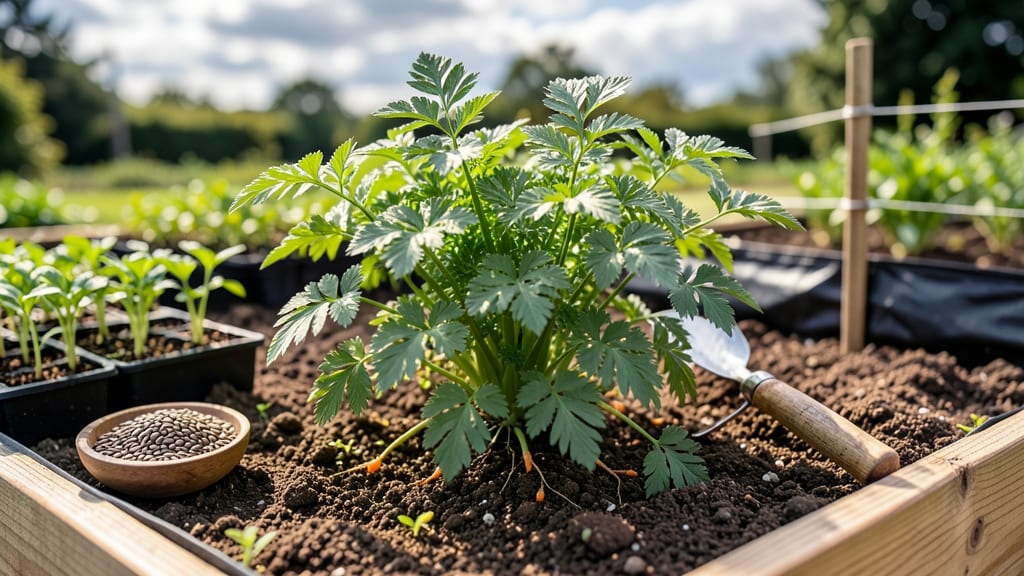
Timing your 🥕 carrot planting in Vermont isn’t just about following a calendar—it’s about outsmarting the region’s fickle frost dates and rocky soil. Plant too early, and a late frost will turn your seedlings into sad, stunted snacks.
Too late, and you’ll miss the sweet, crisp roots you crave by harvest.
Here’s the secret: Vermont’s 5b-6a zones demand two distinct planting windows—mid-April to early July for spring crops and late July to mid-August for fall harvests. But those dates shift depending on whether you’re in the cooler highlands or the slightly warmer valleys.
Get it wrong, and you’ll either wait too long for edible carrots or watch them bolt before they’re ready.
I’ve grown carrots in Vermont for years, and the difference between a bountiful harvest and a disappointing patch often comes down to one thing: knowing when to plant.
Whether you’re a first-time gardener or a seasoned pro, these microclimate-specific deadlines will help you grow carrots that are crisp, disease-free, and ready to pull at the perfect moment.
Ready to stop guessing and start growing? Let’s break down the exact windows, soil prep tips, and succession planting tricks that work in Vermont—so you can enjoy homegrown carrots from June through October without the stress.
Vermont carrot planting calendar by microclimate zone
Vermont’s diverse microclimates mean your last frost date could vary by 2-3 weeks from Burlington to Bennington. To maximize your carrot harvest, align planting with your USDA Zone 5b-6a and soil temperature thresholds. Most Vermont gardeners succeed with two planting windows: early spring and late summer.
For spring plantings, aim for soil temperatures above 40°F—this typically lands between mid-April and late May in most regions. Fall plantings should start 8-10 weeks before your first frost, usually late July to mid-August. These windows ensure crisp, disease-free roots before winter sets in.
Here’s how to break it down by Vermont’s three key microclimate zones:
| Zone | Last Frost Date | First Frost Date | Spring Planting Window | Fall Planting Window | Soil Temp Threshold |
|---|---|---|---|---|---|
| Chittenden (Burlington) | May 5-15 | October 5-15 | April 20 - May 10 | July 20 - August 10 | 40°F+ |
| Windham (Brattleboro) | May 10-20 | September 25 - October 5 | April 25 - May 15 | July 25 - August 15 | 42°F+ |
| Orleans (Northeast Kingdom) | May 1-10 | September 20 - October 1 | April 15 - May 5 | July 15 - August 5 | 40°F+ |
Notice how Windham County has slightly later frost dates, giving you a longer growing season for fall carrots. Meanwhile, the Northeast Kingdom often experiences earlier frosts, so plan your late summer plantings closer to July 15 to avoid bolting.
For succession planting, sow seeds every 2-3 weeks from your first planting date until early July. This ensures a continuous harvest from June through October. Use shallow furrows (1/4 inch deep) and space seeds 1/2 inch apart for optimal germination.
Pro tip: Test your soil temperature with a soil thermometer before planting. Carrot seeds need consistent warmth to germinate—below 40°F and they’ll linger in the soil for weeks. In cool springs, consider a cold frame to jumpstart germination.
If you’re in a higher-elevation area (like the Green Mountains), expect frost dates to shift 1-2 weeks earlier. Adjust your planting windows accordingly, and always have row covers on hand to protect tender seedlings from unexpected late spring frosts.
For fall harvests, prioritize fast-maturing varieties (like ‘Paris Market’) to ensure roots reach maturity before first frost. Aim to harvest by mid-October in most zones to enjoy crisp, sweet carrots all winter.
Remember: Vermont’s rocky soil can challenge carrot growth, so amend beds with compost and sand to improve drainage. This is especially critical for longer varieties like ‘Chantenay’, which need loose soil to prevent forking.
How to adjust carrot planting for Vermont’s unpredictable weather
Vermont’s weather can throw even the most experienced gardeners for a loop—one day it’s 60°F and sunny, the next a hard frost hits overnight. This unpredictability makes carrot planting a high-stakes game, especially when false springs lure you into planting too early.
I’ve learned the hard way that soil temperature matters just as much as calendar dates, and Vermont’s rocky soil adds another layer of challenge.
To beat the odds, I’ve developed a foolproof system using season extenders and succession planting. These strategies let me grow crisp, disease-free carrots even when Mother Nature throws curveballs.
Whether you’re in the Chittenden Valley or the Northeast Kingdom, these adjustments will help you avoid the two biggest mistakes: bolting from heat stress or frost damage from premature planting.
🌱 Numbered Highlights: Vermont Carrot Planting Adjustments
- 1. Wait for soil temps of 50°F+ before planting—use a soil thermometer to avoid false springs. Early April warmth often fades by May.
- 2. Use row covers (lightweight fabric) for 2-3 weeks after sowing to protect seedlings from late frosts (common until mid-May).
- 3. Plant in 2-week intervals from mid-April to July for continuous harvests. This succession planting ensures fresh carrots all summer.
- 4. For fall crops, sow seeds 8-10 weeks before first frost (typically late July to mid-August). Use cold frames to extend harvest into October.
- 5. Avoid planting when night temps drop below 45°F—carrots won’t germinate in cold soil, wasting your seeds and time.
One of my biggest lessons came from a false spring in 2021, when I planted carrots in early April based on warm daytime temps. By May, we had 30°F nights, and my seedlings turned to mush.
Now, I wait for consistent soil warmth (test it with your finger—should feel like a warm bath, not a fridge) before committing to seeds. A $10 soil thermometer is worth every penny in Vermont.
For fall harvests, I rely on cold frames to push my last planting into October. Simply build a PVC hoop frame with clear plastic sheeting and place it over my late-August sowing.
This traps heat during the day and insulates at night, adding 2-3 weeks to my growing season. Pro tip: Vent the frame on sunny days to prevent overheating—carrots hate bolting from heat stress.
Don’t forget about succession planting—this is my secret weapon for non-stop carrot harvests. Instead of one big planting, I sow small batches every 2 weeks from April to July.
This way, when one batch reaches harvest size, another is ready to take its place. It’s extra work upfront, but the payoff is fresh carrots from June through October without gaps.
Finally, watch for rocky soil—Vermont’s glacial till can turn carrots into forked, misshapen messes. Loosen the top 6 inches of soil with a broadfork and mix in compost to create a smooth seedbed.
If your soil is particularly rocky, consider growing short varieties like ‘Paris Market’—they tolerate obstacles better than long types.