
Plants
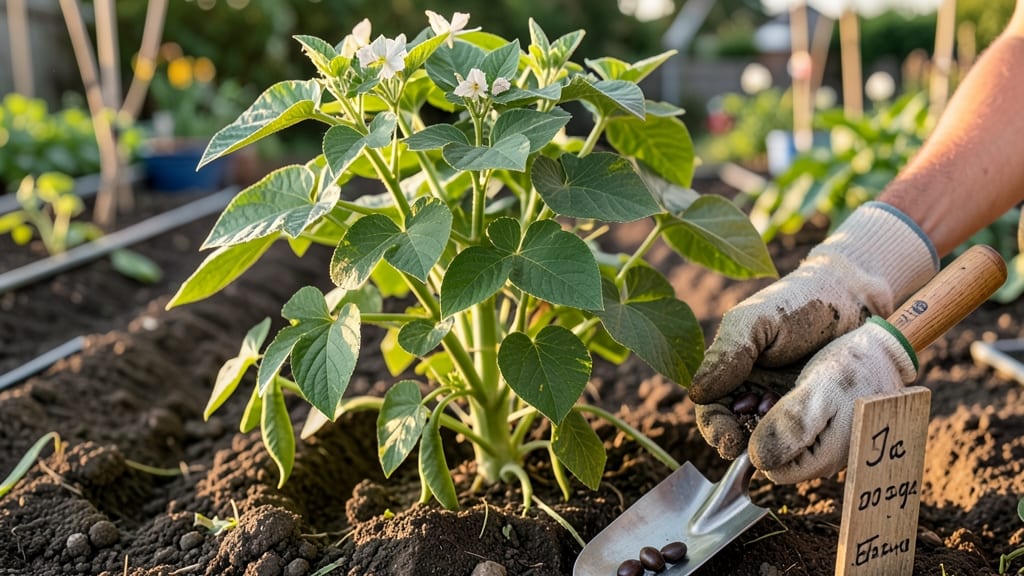
Timing your bean planting in Kentucky just right can mean the difference between a fast, thriving harvest and waiting weeks for stubborn seeds to sprout.
With the state's 6a-7b climate, you’ve got a narrow window—soil needs to hit 60°F or warmer before you even think about dropping those seeds in the ground.
Most gardeners in Kentucky wait until mid-April to mid-May, after the last frost has passed, but there’s more to it than just dates. The key is soil temperature—beans won’t germinate until the earth warms up, and cool springs can leave you scrambling.
I’ll show you how to test your soil’s readiness and adjust your planting schedule for the best results.
Whether you’re sowing directly into the garden or transplanting young plants, getting this right ensures your 🌱 beans pop up in 5–7 days instead of weeks. Plus, I’ll share which fast-growing varieties thrive in Kentucky’s short season and how to stretch your harvest with smart timing.
Skip the guesswork—let’s break down the exact steps to plant your beans at the perfect moment for a bumper crop. Your future dinner table will thank you!
Kentucky bean planting calendar: best months by soil temperature
Planting beans in Kentucky requires careful timing to avoid cool soil that slows germination. Since Kentucky spans USDA zones 6a–7b, your exact planting window depends on microclimates—northern regions (like Lexington) may need to wait longer than southern areas (like Bowling Green).
The key is soil temperature, not just air temperature, which can fool gardeners into planting too early.
Beans thrive when soil reaches 60–65°F, but germination slows below 55°F. In Kentucky, this typically aligns with late April to mid-May for most varieties, but early-sprouting types like Contender beans can handle slightly cooler 55°F soil.
Using a soil thermometer is the best way to confirm readiness—don’t guess!
🌱 PRO TIP: If your spring is unusually cold, opt for fast-germinating varieties (like Kentucky Wonder) or start seeds indoors 2–3 weeks before transplanting. This buys you critical time when soil warmth lags behind air temperatures.
| Planting Window | Soil Temperature | USDA Zone 6a (North KY) | USDA Zone 7b (South KY) | Last Frost Risk |
|---|---|---|---|---|
| Late March | 50–55°F (risky) | ❌ Avoid (slow germination) | ⚠️ Possible (cover seeds) | High (frost likely) |
| Mid-April | 55–60°F (ideal for early varieties) | ✅ Best for fast germinators | ✅ Safe for most types | Moderate (check forecasts) |
| Late April | 60–65°F (optimal) | ✅ Perfect for all varieties | ✅ Ideal window | Low (frost unlikely) |
| Early May | 65°F+ (best for late varieties) | ✅ Safe for heat-tolerant types | ✅ Extended harvest | None (frost-free) |
| June | 70°F+ (for fall harvest) | ⚠️ Risk of bolting | ✅ Works for late beans | None (summer heat) |
For northern Kentucky (e.g., Paducah), aim for mid-April when soil hits 55°F, using row covers if nights dip below freezing. In southern Kentucky (e.g., Louisville), you can start as early as late March for fast varieties, but monitor soil moisture—dry spells can delay warming.
If you miss the spring window, don’t despair! Kentucky’s short growing season allows for a late summer planting (late July) for fall harvests. Choose determinate varieties like ‘Blue Lake’, which mature in 50–60 days, ensuring pods ripen before first frost (typically mid-October).
🌡️ SOIL TEMPERATURE TIP: Morning is the best time to check soil warmth—it’s cooler than midday but reflects overnight conditions. Use a meat thermometer (cleaned and sanitized) inserted 2 inches deep for accurate readings.
If your soil is below 55°F, wait 1–2 weeks or use black plastic mulch to warm it faster.
Another critical factor is moisture consistency. Beans need 1–2 inches of water weekly, but soggy soil can cause root rot. In Kentucky’s humid climate, raised beds improve drainage and warm up quicker than in-ground soil. Add compost before planting to boost
How to test soil warmth for beans in Kentucky (DIY methods)
Kentucky’s cool springs can delay bean germination if you plant too early. The key to success? Knowing your soil temperature—beans need 60°F–65°F for optimal sprouting. Without a fancy thermometer, you can still test soil warmth at home using simple, effective methods.
First, grab a meat thermometer (they’re cheap and accurate). Insert it 2 inches deep into moist soil and wait 30 seconds. If the reading is below 55°F, your beans may rot in the ground. Repeat checks every few days to track warming trends.
Cold soil (50°F or lower) causes beans to rot before sprouting. Never plant until soil consistently stays above 60°F for 3+ days.
Pro Tip: Use a clear plastic cup filled with soil to monitor warmth near your garden bed.
For a no-tool test, press your hand into the soil. If it feels warm like a bath (not cold), it’s likely ready. Alternatively, place a dark-colored plastic sheet over the soil for 24 hours—if it feels hot to the touch afterward, your beans are safe to plant.
Local weather stations (like the National Weather Service) provide soil temperature data. Check their 7-day forecasts for trends, especially if you’re in northern Kentucky’s cooler zones. Adjust planting dates if forecasts show delays.
If your soil stays below 60°F past May 15, opt for fast-germinating varieties like ‘Contender’ or ‘Blue Lake.’ These thrive even in slightly cooler conditions. For extra insurance, soak seeds overnight to kickstart growth.
Remember: Patience beats guesswork. Wait for the right soil temperature, and your beans will reward you with vigorous sprouts in 5–10 days instead of moldy failures.