
Trees
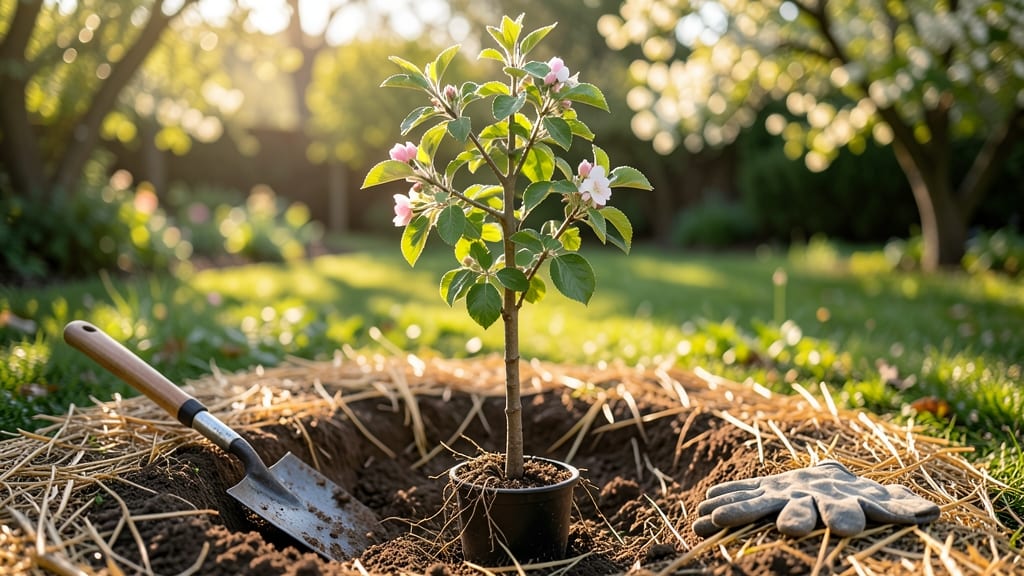
Planting an apple tree 🍎 in Illinois isn't just about picking a month—it's about matching your tree to the state's chill-hour zones to guarantee sweet harvests for years. Get the timing wrong, and you might end up with winter damage or fruit that never ripens properly.
The best window? Late winter to early spring or fall, when the soil is workable but the tree has time to establish roots before extreme weather hits.
Why does this matter? Because Illinois' 5a-6b zones mean some varieties thrive while others struggle—like planting a cactus in Alaska. I'll break down exactly when to plant bare-root vs. container-grown trees, so you avoid common mistakes that waste time and money.
Whether you're in Chicago or rural southern Illinois, these tips will help your tree grow strong from day one.
Most gardeners focus only on planting dates, but the real secret is understanding how chill hours work with your local climate. For example, Honeycrisp needs 800+ chill hours, while Liberty only requires 400-600.
I'll show you how to pick the right variety for your zone and plant it at the perfect moment—no guesswork involved.
Ready to grow a thriving apple tree? Let's dive into the step-by-step process, from soil prep to post-planting care, so you can enjoy homegrown apples in just a few years. Your future harvest starts with the right timing—let's make it count!
Best planting months for apple trees in Illinois by hardiness zone
Illinois spans USDA Hardiness Zones 5a–6b, meaning your planting window depends on where you live.
Most gardeners in northern Illinois (Zones 5a–5b) should plant in late fall (October–November) or early spring (March–April), while southern Illinois (Zones 6a–6b) can extend planting into late winter (February) or early fall (September).
The key is avoiding frost dates—planting too early risks winter kill, while planting too late delays root establishment. In Chicago (Zone 5b), for example, October–November is ideal, but in Southern Illinois (Zone 6a), you can push planting into early December or even February for container-grown trees.
Bare-root apple trees thrive when planted in dormancy, ideally 4–6 weeks before the ground freezes. Container-grown trees offer more flexibility—plant them in spring (March–May) or early fall (September–October)—but avoid extreme heat or cold.
Here’s how chill-hour requirements influence timing: Varieties like Honeycrisp (600–800 hours) need northern Illinois’ colder winters, while Gala (400–600 hours) suits southern Illinois’ milder climate. Planting at the wrong time can lead to poor fruit set or blossom failure.
🌱
🍎 Illinois Apple Tree Planting Guide by Zone
| Zone | Best Planting Window | Chill-Hour Range | Top Varieties |
|---|---|---|---|
| 5a (Northern IL) | Late October–November or March–April | 600–900 hours | Honeycrisp, McIntosh, Cortland |
| 5b (Central IL) | September–October or February–March | 500–700 hours | Gala, Fuji, Jonathan |
| 6a (Southern IL) | September–November or January–March | 400–600 hours | Liberty, Zestar!, Pink Lady |
💡 Pro Tip: Use local frost dates (check Almanac.com) to fine-tune your planting window.
For bare-root trees, plant as soon as possible after purchase—roots dry out quickly. Soak roots in water or muddy water for 1–2 hours before planting to rehydrate them. Container-grown trees can wait until spring, but avoid planting when soil is frozen or waterlogged.
Microclimates matter! A south-facing slope in Zone 5a might extend your planting window by 2–3 weeks compared to a north-facing yard. Observe your garden’s sun exposure and wind patterns—apple trees need full sun (6+ hours/day) and shelter from harsh winds.
After planting, mulch heavily (4–6 inches) with straw or wood chips to retain moisture and regulate soil temperature. Water deeply once a week for the first 2 years, focusing on the root zone. Avoid overhead watering to prevent disease.
🪴
How to match apple tree varieties to Illinois chill-hour zones
Illinois spans USDA zones 5a–6b, but chill-hour needs vary dramatically across the state. Northern Illinois (e.g., Chicago area) typically accumulates 700–900 chill hours, while southern regions (e.g., St. Louis) average 500–700 hours.
Choosing the wrong variety can mean no fruit production—even if you plant at the perfect time. Let’s break down how to match varieties to your specific chill-hour zone for a bountiful harvest.
Chill hours are the number of hours below 45°F (7°C) during winter dormancy. Most apple trees need 400–1,000 chill hours, but low-chill varieties (like Liberty) thrive in southern Illinois, while high-chill varieties (like Cortland) struggle in warmer microclimates.
Start by checking your local chill-hour average—tools like the Purdue University Chill Calculator can help.
| Variety | Chill Hours Needed | Best Illinois Zones | Fruit Maturity | Notes |
|---|---|---|---|---|
| Liberty | 400–500 | 5b–6b (Southern IL) | Late summer | Resistant to fire blight; great for warm microclimates. |
| Honeycrisp | 600–800 | 5a–6a (Central/Northern IL) | Late summer | Sweet-tart flavor; needs cross-pollination (e.g., CrimsonCrisp). |
| Cortland | 800–1,000 | 5a (Northern IL) | Early fall | Tart, crisp; stores well; needs cold winters. |
| Gala | 500–700 | 5b–6b (Statewide) | Mid-late summer | Sweet, versatile; self-pollinating but benefits from neighbors. |
| McIntosh | 700–900 | 5a–5b (Northern/Central IL) | Early fall | Juicy, tart; prone to scab disease in humid areas. |
If you’re in southern Illinois (zones 5b–6b), focus on low-chill varieties like Liberty or Zestar!. These thrive with 400–600 chill hours and produce fruit even in milder winters.
For northern Illinois (zones 5a–5b), opt for high-chill varieties like Cortland or Jonagold, which need 800+ chill hours to