
Plants
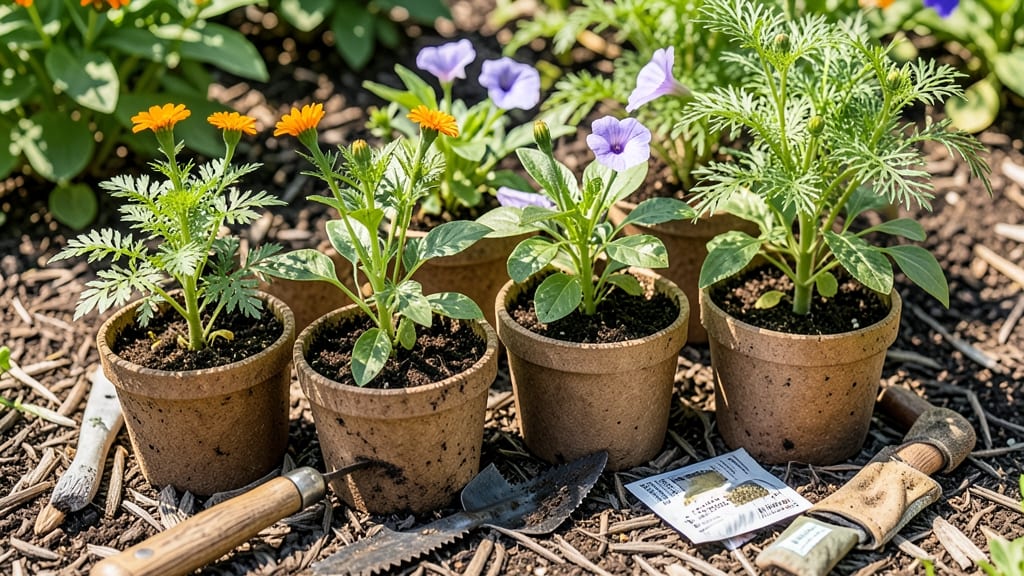
Planting annuals 🌸 in Zone 7 at the wrong time means either waiting months for blooms or watching frost wipe out your hard work. The key isn't just memorizing dates—it's understanding how your microclimate (whether you're in a heat island or a cool valley) shifts those perfect windows by weeks.
I've learned the hard way that Zone 7's March 15 average last frost is just a starting point. Your actual planting dates could be two weeks earlier in a sun-warmed urban spot or delayed by three weeks in a shady corner.
Let me show you exactly how to calculate your personal timeline for cool-season flowers like pansies and heat-lovers like marigolds—without guessing.
What you'll discover here are the three critical adjustments that separate thriving gardens from disappointing ones.
We'll cover when to start seeds indoors, how to use row covers to extend seasons, and which annuals can handle Zone 7's late-summer heat spikes—plus a quick-reference table so you never forget the perfect month for your favorites.
Ready to stop playing frost roulette? The secret to lush annuals isn't complicated—it's about working with your local weather patterns. Let's get your planting schedule dialed in for maximum blooms and minimum stress.
Zone 7 annual planting calendar: exact dates by last frost & microclimate
Zone 7 gardeners face a 2-week window for last frost dates—typically March 15 to April 15. This range creates confusion about when to plant cool-season annuals like lettuce or warm-season favorites like tomatoes.
Microclimates further complicate timing: a north-facing slope may need 2 extra weeks of protection, while urban heat islands can push planting dates 1-2 weeks earlier.
In Piedmont regions (e.g., Raleigh, NC), average last frosts arrive around March 25, while Coastal Plain areas (e.g., Wilmington, NC) often see frost by March 10. These variations mean your neighbor's planting schedule might not work for your garden.
Let's break down the exact planting windows for both cool-season and warm-season annuals—plus how to adjust for your specific microclimate.
📅 Pro Tip: Use a frost-free date calculator (like the National Gardening Association's tool) to pinpoint your local last frost date. For most Zone 7 gardeners, March 15 is a safe baseline, but verify with your local Cooperative Extension Service for hyper-local data.
| Plant Type | Cool-Season Planting Window | Warm-Season Planting Window | Microclimate Adjustments | Example Plants |
|---|---|---|---|---|
| Cool-Season Annuals | 4-6 weeks before last frost (Feb 15 - Mar 15) | N/A (overwinter or replant in fall) | Add row covers for 2 extra weeks in cold pockets | Lettuce, Spinach, Kale, Pansies, Snapdragons |
| Warm-Season Annuals | N/A (plant after last frost) | 2-3 weeks after last frost (Apr 15 - May 15) | Delay 1 week in urban heat islands | Tomatoes, Peppers, Basil, Marigolds, Zinnias |
| Heat-Tolerant Annuals | Direct sow after May 15 | Plant through July for fall harvest | Use shade cloth in 90°F+ heat waves | Okra, Sweet Potatoes, Sunflowers, Cosmos |
| Fall Planting (Cool-Season) | Start seeds Aug 1 - Sep 15 | Transplant Sep 15 - Oct 15 | Extend season with black plastic mulch | Broccoli, Cauliflower, Radishes, Arugula |
For cool-season annuals, start seeds indoors 4-6 weeks before your last frost date. If you're in the Piedmont with a later frost, aim for March 1 sowing. In Coastal Plain areas, you can plant outdoors as early as February 15 for hardy varieties like kale or spinach.
Warm-season plants like tomatoes and peppers need soil temperatures above 60°F to thrive. Use a soil thermometer to confirm—wait until April 15 to May 1 in most of Zone 7. In urban heat islands, soil warms faster, so you might plant 1-2 weeks earlier.
If your garden has north-facing slopes, extend your planting window by using row covers or cold frames. These tools can push your last frost date back by 2-3 weeks, giving you more time to grow cool-season crops like lettuce or delicate herbs like cilantro.
For heat-loving annuals like okra or sweet potatoes, wait until after May 15 to avoid transplant shock. These plants thrive in 80°F+ soil, which typically occurs in late May or June in Zone 7.
In Coastal Plain regions, you can start 1 week earlier due to warmer coastal influences.
🌱 Key Insight: Zone 7's 210 frost-free days allow for two full growing seasons—spring and fall. Plan your fall planting by starting seeds in August for a September-October harvest before the first frost hits around November 15
How to adjust planting times for Zone 7 microclimates (with real examples)
Zone 7’s microclimates can shift planting windows by weeks—even yards apart. A north-facing garden might still have frost in May, while a south-facing bed warms up weeks earlier. Understanding these variations helps you extend seasons or avoid heat stress in sensitive plants.
For example, marigolds (heat-lovers) can handle 80°F+ soil, while lettuce (cool-season) wilts in 75°F+. Your goal? Match planting times to your local microclimate, not just the USDA zone average. Let’s break it down with real-world adjustments for common Zone 7 scenarios.
Here’s how to apply these adjustments to popular Zone 7 annuals: - Marigolds (heat-loving): Plant 2-3 weeks after your last frost date in urban heat islands—soil may hit 70°F+ sooner. In north-facing beds, wait until mid-May to avoid stunted growth.
Basil (tender to frost): Start seeds indoors 6 weeks before your last frost, then transplant after soil reaches 55°F. In coastal areas, this might be April 15, while inland gardens can plant May 1 without risk.
For cool-season annuals like pansies or spinach, plant 6-8 weeks before your first frost in elevated gardens (e.g., late August for a Nov 15 frost date). In heat islands, delay until September 1 to avoid bolting.
Pro tip: Use a soil thermometer to track warmth—50°F is ideal for cool-season starts, while 60°F+ triggers warm-season growth. Adjust your planting dates based on actual soil temps, not just calendar dates.
🌱