
Plants
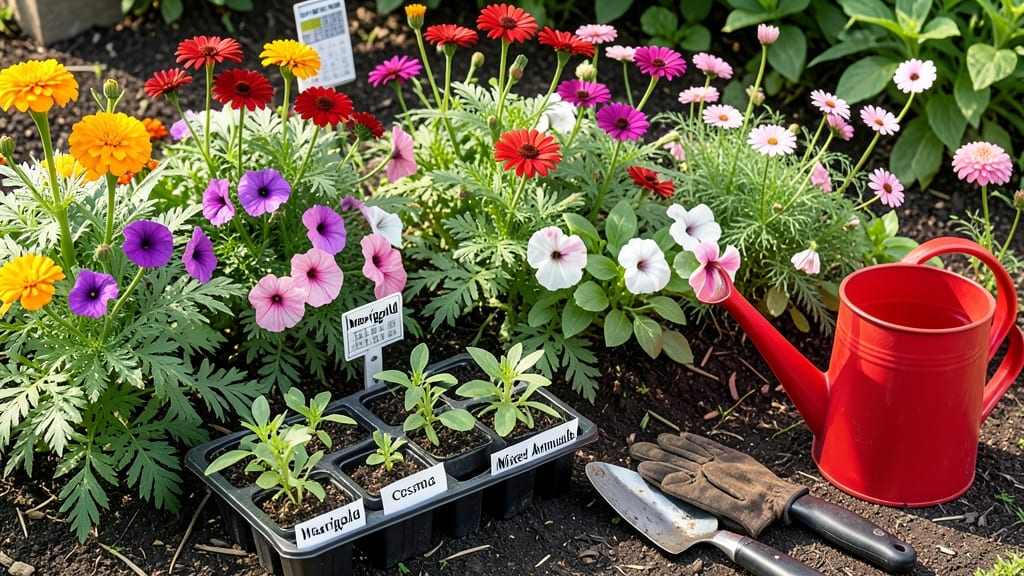
Timing your annuals planting in New Jersey can make the difference between a burst of vibrant blooms and struggling seedlings that never take off. With USDA Zones 6a-7b and microclimates that vary by just a few miles, knowing the exact window is everything.
Most gardeners in NJ wait until after the last frost—usually mid-April—but that’s just the starting point. Coastal areas like Cape May have earlier frost-free dates, while inland spots near the Delaware River might need to wait another week.
Even within one county, urban heat islands can shift planting times by 10 days or more.
This guide breaks down the most precise planting schedule for your exact location, whether you're growing petunias, marigolds, or fast-growing veggies. We’ll cover everything from soil prep to extending your season with simple tricks that actually work in NJ’s unpredictable climate.
Ready to turn your garden into a showstopping display? Let’s get those annuals in the ground at the perfect moment—no more guesswork, just guaranteed results.
NJ’s frost-free planting zones: when to plant annuals by county
New Jersey’s diverse microclimates mean your last frost date could vary by 2-3 weeks even within the same county. Coastal areas like Cape May often warm up earlier than inland Sussex County, while urban heat islands in Jersey City can delay spring frost risks.
Understanding these county-specific windows ensures your marigolds, petunias, and zinnias thrive from day one.
Most of NJ falls in USDA Zones 6b-7a, but elevation and proximity to water create local variations. For example, Passaic County’s last frost typically arrives 2 weeks earlier than Warren County’s mountainous regions.
Below, I’ve broken down planting windows by county, including adjustments for urban gardens (warmer microclimates) and coastal areas (milder springs).
🌱
For warm-season annuals like tomatoes and peppers, wait until soil temperatures hit 60°F+—typically 2 weeks after your county’s last frost date.
Coastal counties like Cape May can plant zinnias as early as April 20, while Sussex County gardeners should hold off until May 15 to avoid frost damage. Petunias and impatiens
How to extend your NJ annual planting season without risking frost
New Jersey’s short growing season can feel like a race against time—but with the right tools, you can extend your planting window by weeks. Whether you’re eager to plant marigolds in May or pumpkins in late summer, these strategies help beat frost while keeping your annuals thriving.
The key is balancing cost, effort, and effectiveness to match your garden’s needs.
Cold frames and row covers are my go-to methods for early spring or late fall planting. They create a mini greenhouse effect, raising soil temperatures by 5-10°F and shielding plants from light frosts.
For example, I’ve successfully planted petunias in late April under a row cover, giving them a head start before removing it once nighttime temps stay above 45°F. Just remember to secure covers tightly to avoid wind damage.
Cold Frames vs. Row Covers
Cold Frames
- Pros: Reusable, protects roots, extends season by 4-6 weeks
- Cons: Expensive upfront, requires assembly
Row Covers
- Pros: Affordable, lightweight, easy to install
- Cons: Needs staking, limits airflow slightly
Heat mats are another game-changer for warm-season annuals like tomatoes or peppers, which need soil temps above 60°F to germinate. I place them under seed trays in early April, and within days, I see sprouts where bare soil would still be too cold.
The downside? They’re energy-dependent—run them on a timer to avoid overheating. For a budget-friendly hack, I’ve used old heating pads wrapped in insulation foam to create DIY mats.
Succession planting is my favorite low-tech trick to keep annuals blooming all summer. Instead of planting everything at once, I stagger seeds every 2-3 weeks—think basil in May, July, and August to ensure a continuous harvest.
This works especially well for fast-growing annuals like lettuce or radishes, which mature in 30-45 days. Pair this with interplanting (e.g., carrots between onions) to maximize space and confuse pests.
For late-season extensions, I rely on frost cloths—lightweight, breathable fabrics that shield plants from 28-32°F temps. Unlike row covers, they allow rain to pass through, reducing fungal risks. I’ve used them to protect cosmos and zinnias into early November, adding 4-6 extra weeks of color.
Just remember to secure the edges with bricks or pins to prevent wind damage during storms.
Timing is everything when using these methods. Start cold frames 4-6 weeks before your average last frost date (check your county’s data—coastal NJ is often 2 weeks earlier than inland areas). For heat mats, aim to have seedlings ready to transplant 2 weeks before the frost-free window.
And always monitor weather forecasts: a 3-day forecast of 35°F means it’s time to cover up, even if your plants look healthy.
Don’t let NJ’s unpredictable weather limit your garden’s potential. With these strategies, you can plant annuals safely year-round, from pansies in March to mums in October.
The key is starting small—try one method this season, track your results, and expand next year. Your garden (and your neighbors’ envious glances) will thank you! 🌸