
Plants
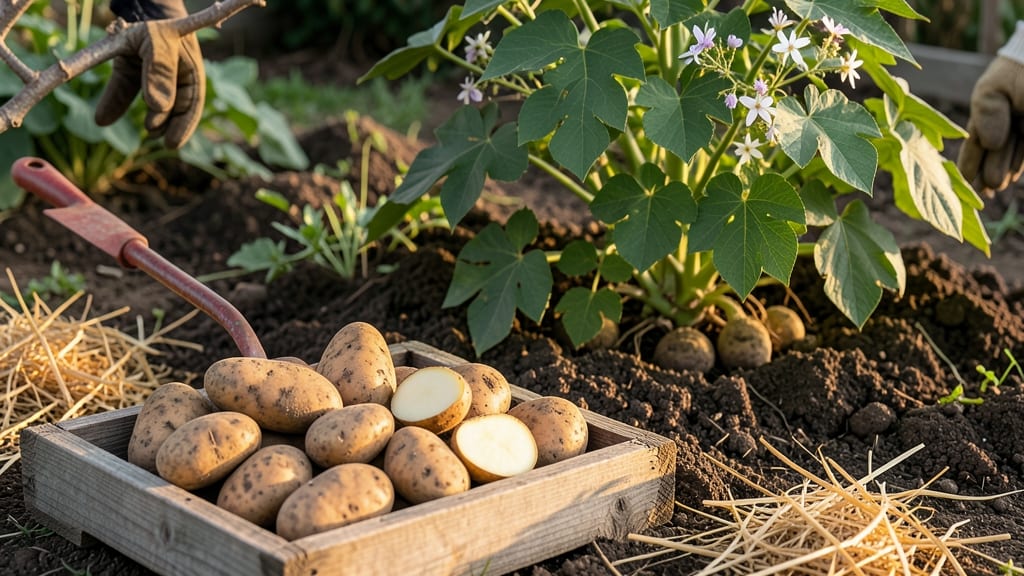
Planting potatoes in Australia isn’t just about following a calendar—it’s about dodging frost in Sydney while beating the heat in Brisbane, all while timing your harvest to avoid summer stress. 🥔 One wrong move, and your crop could rot in the ground or bolt before you even taste those spuds.
I’ve grown potatoes across Australia’s diverse climates, and the key to success lies in understanding your region’s microclimate. Whether you’re in frost-prone Victoria or tropical Queensland, getting the timing right means the difference between a bumper harvest and a wasted season.
Let’s break down the exact windows you need to target for your area.
You’ll discover how to adjust planting dates for early, maincrop, and late varieties—because what works in cool NSW won’t cut it in sunbaked Western Australia. We’ll also cover soil prep tricks to ensure your tubers thrive, not just survive.
Ready to master the art of potato planting? By the end, you’ll know exactly when to stick those seed potatoes in the ground for a harvest that’ll make your neighbors jealous.
Australia’s potato planting zones: frost-free timing by state and region
Australia’s diverse climate means your potato planting window depends heavily on your region and microclimate. In temperate zones like Victoria and Tasmania, you’ll aim for late winter to early spring, while tropical Queensland allows year-round planting with the right variety.
The key rule: soil must reach 10°C (50°F) before planting—cold soil stalls germination.
Frost is your biggest enemy—coastal areas often escape late frosts, while inland regions face higher risks. For example, Canberra’s last frost typically occurs in October, while Perth rarely sees frost. Understanding these patterns ensures your seed potatoes sprout consistently.
Here’s how planting times vary across Australia’s major regions, including coastal vs. inland adjustments and soil temperature thresholds for reliable germination:
Pro tip: Use straw mulch in frost-prone areas to protect young shoots. In tropical regions, prioritize shade-cloth during summer to prevent heat stress on tubers.
For coastal areas, like Sydney’s northern beaches, you can plant as early as August—but inland NSW may need to wait until late September to avoid frost damage. Always check your local Bureau of Meteorology frost forecasts for precise timing.
Soil prep is critical: potatoes thrive in loose, well-draining soil with a pH of 5.0–6.5. Work in compost or aged manure 2–3 weeks before planting to boost fertility. Avoid fresh manure—it can cause scab disease in tubers.
In temperate zones, aim to harvest before summer heat sets in (by February). In tropical Queensland, you can plant twice yearly—once in May for a winter crop and again in September for a spring harvest.
Regional example: In Melbourne, plant early varieties like ‘Rocket’ in September for a November harvest, or late varieties like ‘Sebago’ in October for a February harvest. Adjust based on your local frost dates—never plant too early!
🌱
How to adjust planting dates for early vs. late varieties in your climate
Choosing the right potato variety and planting date is like playing a game of chess with your local climate.
In Australia, early varieties like ‘Kennebec’ (60–90 days to harvest) need to be in the ground early to avoid summer heat stress, while late varieties like ‘Sebago’ (120–150 days) can handle longer growing seasons. The key is aligning your planting date with your region’s last frost and summer onset.
For example, in Victoria or Tasmania, where frosts linger until October, I plant early varieties in late August to harvest before summer heat. In Queensland or Northern NSW, where frost is rare, I delay planting until May–June to avoid the worst of the summer wet.
The goal? Harvest before tubers turn green or soft from heat stress.
Here’s how to adjust planting dates for your climate zone, with a focus on avoiding summer heat stress and frost damage. Use this table to match your variety to your region’s ideal planting window:
| Variety Type | Days to Harvest | Ideal Planting Window (Temperate Regions) | Ideal Planting Window (Tropical Regions) | Harvest Goal |
|---|---|---|---|---|
| Early (e.g., 'Kennebec') | 60–90 days | Late August–Early September | May–June | Before summer heat (Nov–Dec) |
| Maincrop (e.g., 'Desiree') | 90–120 days | Mid-September–Early October | June–July | Late spring (Dec–Jan) |
| Late (e.g., 'Sebago') | 120–150 days | Early October–Mid-November | July–August | Early summer (Jan–Feb) |
In cooler regions like Victoria or Tasmania, I often plant two batches of early varieties—one in August and another in September—to stagger harvests. This ensures I’m not overwhelmed with digging tubers all at once while also avoiding summer heat stress that turns potatoes green and bitter.
For tropical or subtropical areas like Queensland or Northern NSW, focus on late varieties planted in June–July. These varieties mature just as the worst summer rains pass, reducing disease risk from prolonged wet conditions. In these regions, I also prioritize drought-tolerant varieties like ‘Beauregard’ to handle irregular rainfall.
Pro tip: If you’re in a transition zone (e.g., Southern NSW or South Australia), test soil temperatures before planting. Potatoes need soil at least 10°C to sprout.
Use a soil thermometer or wait until spring equinox for safer planting. Adjust your dates 1–2 weeks later if your soil stays cool.