
Companion Plants
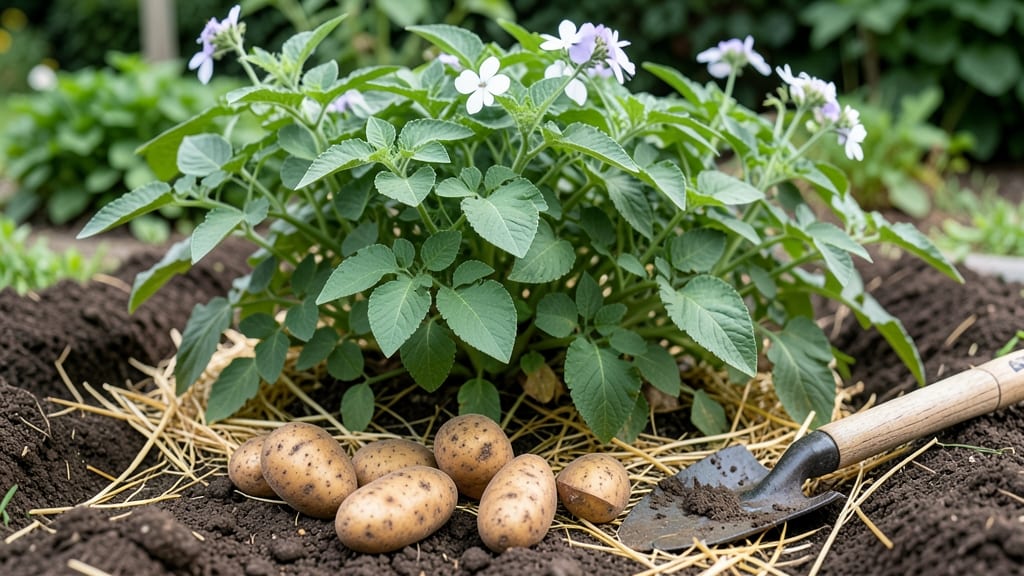
Planting potatoes in Michigan at the wrong time can mean the difference between a bountiful harvest and a total flop—especially when late frosts sneak in like they always do.
The perfect window depends on your region, whether you're growing early, mid-season, or late varieties, and even the soil temperature beneath your boots.
I’ve learned the hard way that rushing too early (when soil is still cold) or waiting too late (after the last frost) can leave your 🥔 plants struggling. Michigan’s growing zones—from the Upper Peninsula to Detroit—each have their own ideal timing, and knowing these details saves you from wasted effort.
Let me break down exactly when to plant for your specific area, so you can set those spuds in the ground with confidence.
We’ll cover everything from soil temperature checks to adjusting for Michigan’s unpredictable weather, including whether to use seed potatoes or sprouted tubers. Whether you’re a backyard gardener or a small-scale farmer, these tips will help you maximize your yield—no more guessing games.
Ready to dig in? By the end, you’ll know the exact dates for your region and how to protect your crop from late frosts, so you can enjoy homegrown potatoes all summer long.
Michigan potato planting timeline by variety type (early vs late season)
Michigan gardeners know timing is everything when planting potatoes. The Upper Peninsula (UP), Northern Lower Peninsula (NLP), and Southern Michigan each have unique frost-free windows that dictate when to plant early-season vs. late-season varieties.
Planting too early risks frost damage, while waiting too long may shorten your harvest before fall frosts. Let’s break down the optimal planting windows for Michigan’s diverse growing zones.
Potatoes thrive when soil temperatures reach 45°F (7°C), but planting too soon can stunt growth. Michigan’s USDA zones 4-6 mean frost dates vary dramatically—from late May in Southern Michigan to early June in the Upper Peninsula.
Early varieties like ‘Early Red’ need cooler soil, while late varieties like ‘Kennebec’ require warmer conditions to mature fully before frost.
Here’s a region-specific comparison of planting windows for early, mid-season, and late potato varieties, including soil temperature checks and frost-free date adjustments:
| Region | Variety Type | Planting Window | Soil Temp | Frost-Free Date | Days to Harvest |
|---|---|---|---|---|---|
| Upper Peninsula (UP) | Early (e.g., ‘Early Rose’) | Late April – Early May | 40–45°F (4–7°C) | Mid-June | 60–75 days |
| Upper Peninsula (UP) | Mid-Season (e.g., ‘Yukon Gold’) | Mid-May – Early June | 50–55°F (10–13°C) | Late June | 80–90 days |
| Upper Peninsula (UP) | Late (e.g., ‘Kennebec’) | Early June – Mid-June | 55–60°F (13–16°C) | Early July | 100–110 days |
| Northern Lower Peninsula (NLP) | Early (e.g., ‘Red LaSoda’) | Early April – Mid-April | 40–45°F (4–7°C) | Early June | 60–75 days |
| Northern Lower Peninsula (NLP) | Mid-Season (e.g., ‘Russet’) | Late April – Early May | 50–55°F (10–13°C) | Mid-June | 80–90 days |
| Northern Lower Peninsula (NLP) | Late (e.g., ‘Purple Viking’) | Mid-May – Early June | 55–60°F (13–16°C) | Late June | 100–110 days |
| Southern Michigan | Early (e.g., ‘Chippewa’) | Mid-March – Early April | 40–45°F (4–7°C) | Late May |