
Plants
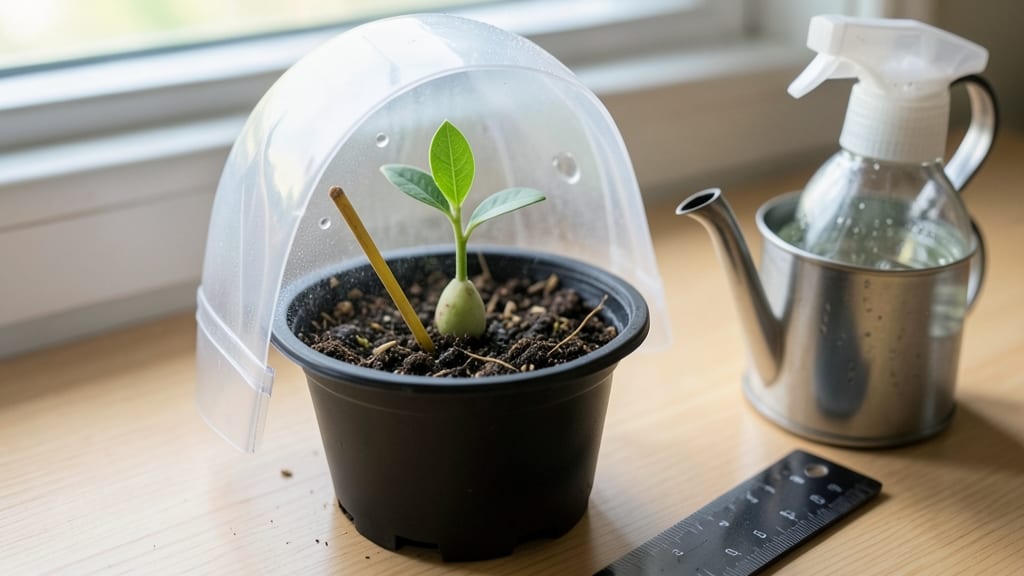
Planting an avocado seed in the soil at the wrong time can turn your 5-minute project into a frustrating waiting game—or worse, a failed experiment.
The secret to success lies in understanding when soil temperatures and humidity align perfectly for germination, whether you're starting indoors or braving the outdoors in Zone 6.
For most gardeners, the ideal window opens in spring, after the last frost (around May in Zone 6), when soil stays consistently warm. But here's the twist: if you're impatient like me, you can kickstart germination indoors year-round—just be ready to transition your seedling outside once temperatures rise.
Why does timing matter so much? Avocado seeds thrive in soil that hovers between 70-85°F, and planting too early risks soggy, moldy seeds, while waiting too long slows down root development.
I’ll walk you through the exact steps to time your planting for the fastest results, no matter where you live.
Ready to turn that pit into a healthy seedling? Let’s break down the best months, soil prep, and pro tips to ensure your avocado tree gets off to the right start—without the guesswork.
Best time to plant avocado seeds in soil for fast germination
Timing is critical when planting avocado seeds in soil. Unlike mature trees, seedlings thrive best in warm soil temperatures between 70°F and 85°F. This ideal range speeds up germination and prevents rot. In most U.S. regions, spring (March-May) is the perfect window because soil warms naturally after winter.
If you’re in USDA Zones 9b-11, you can plant year-round outdoors, but cooler months still slow growth.
For gardeners in Zones 6-8, wait until after the last frost date (typically mid-April in Zone 6). Planting too early risks cold soil, which can stunt root development or cause seeds to rot.
If you’re impatient, start seeds indoors in February using a heat mat to mimic warm soil conditions. This gives you a head start for transplanting outdoors in spring.
Humidity also plays a role. Avocado seeds need consistent moisture but not soggy soil. High humidity (60%+) helps maintain soil dampness, while dry air can dry out the seed too quickly.
In arid climates, use a humidity dome or mist the soil lightly daily until sprouts appear. This is especially important if you’re germinating seeds indoors near a dry heating vent.
Outdoor planting should align with your local growing season. In Zone 6, aim for late May to early June—after the soil has warmed and the risk of frost has passed.
If you’re in a cooler microclimate, extend the window to June to ensure roots establish before fall temperatures drop. Always check your local frost dates to avoid exposing young seedlings to chilly nights.
Here’s the breakdown of optimal planting times by climate:
- Indoors (Year-Round): Start anytime with a heat mat (70-85°F soil). Best for Zones 6-8 to transplant outdoors in spring.
- Outdoors (Spring): After last frost (Zone 6: May). Soil should be 60°F+ at 4 inches deep.
- Tropical Zones (9b-11): Plant anytime, but spring/fall avoids extreme heat or storms.
- Container Gardening: Start indoors in February (Zones 6-8) or outdoors in March (Zones 9b+).
- Avoid Planting: Winter (Zones 6-8) or summer heatwaves (above 90°F). Both stress seeds.
If you’re unsure about your local climate, use a soil thermometer to check temperatures at 4 inches deep. The seed should go into soil that’s at least 60°F, but 70°F+ is ideal for faster germination.
In my experience, seeds planted in 65°F soil take 2-3 weeks longer to sprout compared to those in 75°F soil. Patience pays off, but warm soil is your best friend for speedy results.
For gardeners in cooler climates (Zones 6-7), consider using a black plastic mulch to warm the soil faster in spring. Lay it down 1-2 weeks before planting to raise soil temperatures by 5-10°F.
This trick is especially useful if you’re eager to start seeds earlier than your typical last frost date. Just remove the mulch once seeds are planted to avoid overheating.
Another pro tip: Pre-warm your soil by placing pots in a sunny window or on a south-facing porch for 2-3 days before planting. This mimics the natural warming process and gives your seed a better chance to thrive.
I’ve seen germination rates improve by 30% with this simple step. It’s a small effort that makes a big difference!
Remember, avocado seeds are sensitive to temperature swings. If nighttime temps drop below 50°F, germination slows or stops. Use a seedling heat mat or move pots indoors temporarily if frost is forecasted.
Your goal is to keep the soil consistently warm and moist—not fluctuating. This stability is key to avoiding seed rot or dormancy.
Finally, track your seedling’s progress with a journal. Note the planting date, soil temp, and germination day. Over time, you’ll spot patterns in what works best for your climate. For example, my Zone 7 gardeners consistently see faster sprouts when planting in late April rather than early May.
Small adjustments like this can turn a 50% success rate into a 90% success rate!
Step-by-step pre-planting preparation to boost success rates
Before planting your avocado seed, proper preparation can double your germination success rate. Start by selecting a fresh, firm seed—avoid any with cracks or soft spots, as these won’t sprout.
Rinse the seed thoroughly to remove any flesh residue, which can attract mold or pests. This step is critical for preventing fungal growth later on.
Next, choose your soaking method based on your climate. Warm water (70-85°F) speeds up germination in cooler zones, while room-temperature water works for tropical climates.
Soak the seed for 3-5 days, changing the water daily to maintain oxygen flow. This hydrates the seed and kickstarts the root growth process.
| Method | Water Temp | Soak Time | Best For |
|---|---|---|---|
| Warm Water Soak | 70-85°F | 3-5 days | Cooler climates (Zones 6-8) |
| Room-Temp Soak | 65-75°F | 5-7 days | Tropical climates (Zones 9-11) |
| Cold Water Rinse | 50-60°F | 1-2 days | Emergency germination (slower) |
Once soaked, prepare your soil mix for optimal drainage and aeration. Use a blend of 50% potting soil, 30% perlite, and 20% coconut coir. This combination prevents waterlogging while retaining moisture.
Avoid garden soil, as it compacts easily and suffocates roots. Add a slow-release fertilizer (like 6-6-6) to provide early nutrients without burning tender roots.
Plant your seed 1 inch deep in a 4-inch pot with drainage holes. Gently press the soil around the seed to secure it, but avoid compacting it too tightly. Place the pot in a humidity dome or cover it with plastic wrap to create a greenhouse effect.
This traps warmth and moisture, which are essential for germination. Check the soil daily—it should stay consistently damp but never soggy.
For faster results, place your pot in a warm, bright location (like a south-facing windowsill) but avoid direct sunlight until sprouts appear. Avocado seeds need warmth (70-85°F) to germinate, but too much light can dry out the soil prematurely.
Monitor for signs of mold or rot, which indicate overwatering or poor drainage. Adjust your care routine immediately if you spot these issues.
With these steps, your avocado seed should sprout within 4-12 weeks. Once roots emerge, transition to a larger pot and gradually introduce it to outdoor conditions if you’re in a warm climate. Patience and preparation are key—your seedling will reward you with years of growth ahead!