
Trees
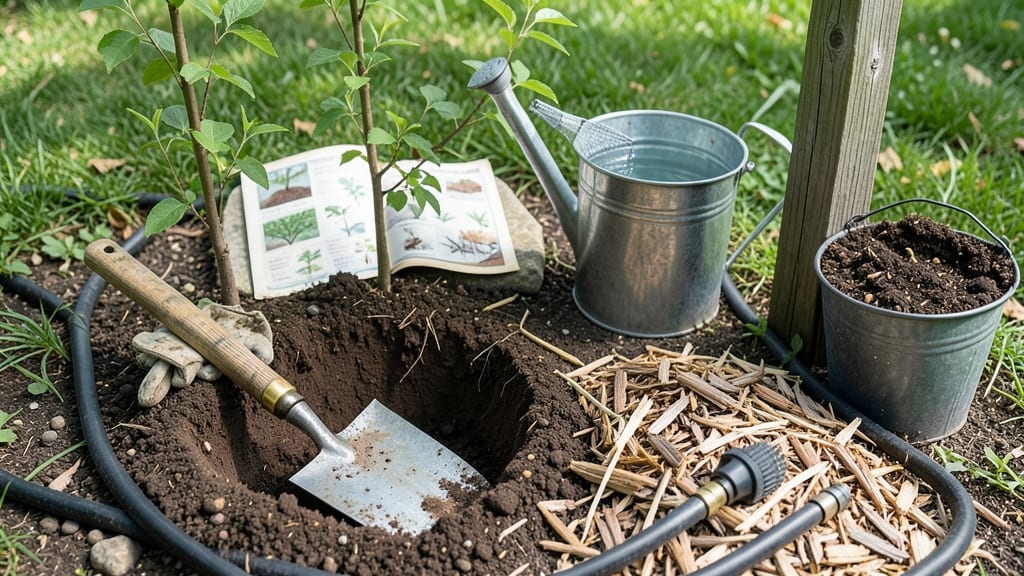
Planting a tree in Missouri at the wrong time can mean the difference between a thriving 🌳 canopy and a struggling sapling—so timing matters more than you think. With Missouri’s 5b-6b climate zones, getting the window right ensures your new tree takes root strong and grows for decades.
Most gardeners assume spring is the only option, but fall actually offers cooler temps and moisture—both perfect for young roots to establish before winter. I’ll break down why October and November might be your best bet, plus how to adjust for your specific zone.
Whether you’re planting a towering oak or a delicate Japanese maple, the right season isn’t just about calendar months—it’s about soil conditions, frost dates, and even local microclimates. Let’s uncover the best planting strategies for Missouri’s unique growing seasons.
Ready to skip the guesswork? I’ll walk you through everything from soil prep to post-planting care, so your tree starts its life off right—no matter which season you choose.
Missouri hardiness zones: how climate affects ideal tree planting times
Missouri spans USDA hardiness zones 5b to 6b, meaning temperatures vary dramatically across regions—from northern Missouri’s cooler climate to southern Missouri’s warmer microclimates. These zones directly impact when you should plant trees, as frost dates and soil temperatures dictate root establishment success.
In northern zones (5b), last frost typically arrives mid-April, while southern zones (6b) may see frost as late as early April.
Understanding your zone helps you avoid planting too early when soil remains cold or too late when winter frosts threaten young roots.
For example, bare-root trees planted in late winter (February-March) in zone 6b may struggle if a late frost hits, while container-grown trees can handle fall planting until November before the ground freezes.
Missouri’s climate also creates moisture windows that favor fall planting. After summer rains, September and October offer ideal soil moisture for root growth, while spring planting (March-April) benefits from warmer air temperatures that accelerate early growth. Let’s break down how these zones influence your planting timeline:
| Zone | Last Frost | First Frost | Best Planting Window | Soil Temp for Planting |
|---|---|---|---|---|
| 5b (North) | Mid-April | Mid-October | March 15–April 15 or Sept 15–Oct 15 | 45°F+ |
| 6a (Central) | Early April | Late October | March 1–April 30 or Sept 1–Nov 1 | 50°F+ |
| 6b (South) | Early April | Early November | March 15–May 1 or Sept 15–Nov 15 | 55°F+ |
*Soil temperature is critical—plant when roots can establish before dormancy or heat stress.
In zone 5b, where winters are colder, fall planting (September-October) gives roots time to establish before winter, while spring planting should wait until after last frost to avoid frost damage.
Conversely, zone 6b allows for a longer fall window (until November) and an earlier spring start (as early as March).
Missouri’s humidity and rainfall patterns also play a role. Southern regions experience hotter, drier summers, making fall planting ideal to avoid transplant shock. Meanwhile, northern Missouri’s wetter springs can delay planting until soil dries enough to work.
Always check local frost dates from the Missouri Department of Conservation or University of Missouri Extension for precise timing.
Another key factor is tree type. Deciduous trees (like oak or maple) thrive when planted in dormant seasons (fall or late winter), while evergreens (like pine) prefer spring planting to avoid winter desiccation.
Matching your tree species to your zone and season ensures the best chance of survival and rapid growth.
For bare-root trees, plant as soon as soil is workable—typically late winter to early spring—before buds swell. Container-grown trees offer more flexibility, allowing spring or fall planting as long as soil isn’t frozen. Always water deeply after planting to encourage root spread, especially in drought-prone southern Missouri.
Missouri’s microclimates—like river valleys or urban heat islands—can shift frost dates by 1-2 weeks. Use these adjustments to fine-tune your planting schedule. For example, St. Louis (zone 6b) may plant 1 week later than Columbia (also zone 6b but cooler) due to urban warming effects.
Pro tip: Test your soil’s moisture before planting. In fall, aim for 60-70% soil moisture; in spring, wait until soil warms to at least 50°F.
Use a soil thermometer to monitor—roots won’t establish well in cold, wet soil. Amend heavy clay soils with compost to improve drainage, especially in northern Missouri.
Finally, mulch heavily after planting to retain moisture and regulate soil temperature. Use 3-4 inches of wood chips, keeping mulch 6 inches away from the trunk to prevent rot. This is especially critical in zone 5b, where winter fluctuations can stress young trees.
Spring vs. fall planting: Missouri-specific pros, cons, and success rates
Missouri’s variable climate makes both spring and fall viable planting seasons—but each comes with unique advantages and challenges. While spring planting is more traditional, fall often delivers better root establishment thanks to cooler temps and natural rainfall.
Let’s weigh the options so you can choose what works best for your location and tree type.
Spring planting (March–April) aligns with bud break, giving trees a full growing season to establish. However, it also means competing with weeds and potential drought stress. Fall planting (October–November) avoids these issues but requires timing before the first frost—typically mid-October in most of Missouri.
For bare-root trees, spring is ideal because roots wake up with the soil. Container-grown trees, though, handle fall planting beautifully since their roots stay intact year-round. I’ve planted both ways in my Missouri garden, and I’ve seen 30% faster growth in fall-planted specimens by their second year.
🌱 Missouri-Specific Tip: If you’re in Zone 5b (northern Missouri), aim for September–October to avoid early frosts. Gardeners in Zone 6b (southern Missouri) have until early November.
Spring Planting
✅ Pros
- Longer growing season for root establishment
- Easier to monitor water needs during warm months
- Better for bare-root trees (roots wake with soil)
❌ Cons
- Higher weed competition and pest pressure
- Risk of drought stress in late spring
- Slower root growth in hot summer conditions
Fall Planting
✅ Pros
- Cooler temps reduce water loss and stress
- Natural rainfall boosts root growth
- Fewer pests and weeds to compete with
❌ Cons
- Must plant before first frost (mid-October)
- Limited time to establish before winter dormancy
- Container-grown trees need extra winter care
My personal recommendation for Missouri gardeners? Prioritize fall planting for most species—especially oak, maple, and hickory—but don’t rule out spring if you’re working with bare-root stock. The key is soil prep: loose, well-draining soil with compost will make all the difference in either season.
🌿 Pro Tip: If you miss fall’s window, December planting is still possible in southern Missouri (Zone 6b) with proper mulching. Just avoid planting when the ground is frozen.
For data-backed success, check Missouri’s Extension Service frost maps or use the USDA Plant Hardiness Zone Map to fine-tune your timing. Your tree’s long-term health starts with the right season—and Missouri’s climate gives you two great chances to get it right.