
Plants
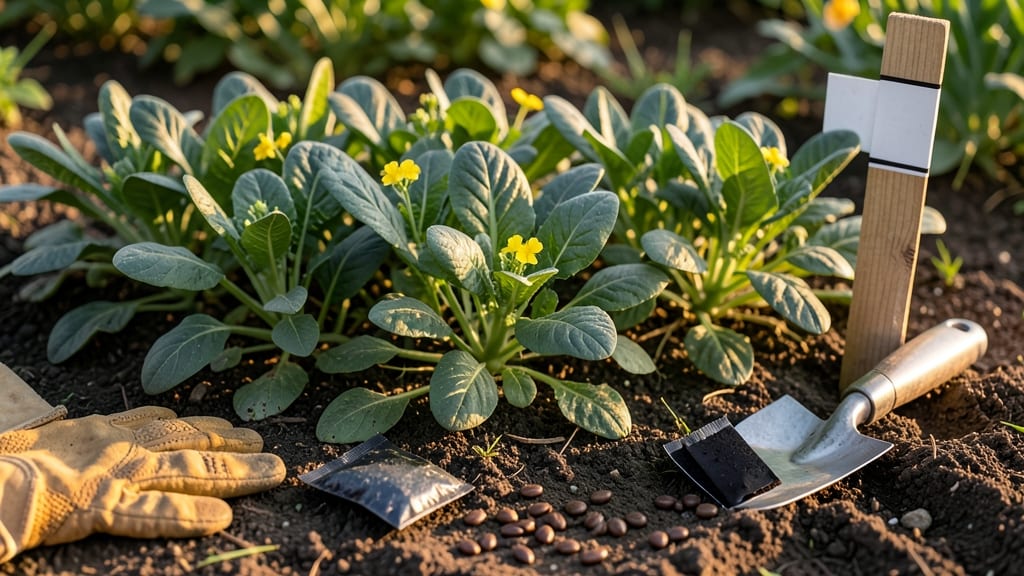
Planting mustard greens in Louisiana isn’t just about timing—it’s about avoiding the bitter disappointment of bolting before you even get to harvest. The key to zero-bolt success lies in understanding how coastal humidity clashes with inland heat, creating two very different planting windows for the same crop.
If you’ve ever watched your mustard greens 🌱 shoot up into flower spikes instead of leafy greens, you know the stakes. Louisiana’s 8a-9b zones demand precision: coastal areas can start as early as mid-September, while inland growers should wait until late October to dodge the heat.
But here’s the twist—spring planting works too, if you play it right.
I’ll break down the exact weeks to plant for both fall and spring harvests, plus how to tweak your approach for containers or garden beds. No more guessing games—just proven strategies to keep your mustard greens thriving from October through April.
Ready to turn your garden into a year-round mustard green machine? Let’s dive into the schedule that actually works for Louisiana’s tricky climate.
Louisiana mustard greens planting calendar: coastal vs inland start dates for zero-bolt harvests
Louisiana’s diverse climate zones create a challenge for mustard greens growers. Coastal areas like New Orleans and Baton Rouge enjoy milder winters, while inland regions near Shreveport face earlier frosts.
This means your planting window depends entirely on where you live—and getting it wrong can trigger bolting (when plants flower prematurely and turn bitter).
For coastal Louisiana (USDA Zones 8b-9a), the growing season stretches longer, allowing for earlier fall plantings and later spring harvests. Meanwhile, inland areas (Zone 8a) must work around earlier frost dates.
Below, I’ll break down the exact planting windows for both regions, including temperature triggers and frost thresholds to avoid bolting.
🌱
| Region | First Frost Date | Last Frost Date | Ideal Planting Window | Bolting Risk |
|---|---|---|---|---|
| Coastal (e.g., New Orleans, Lafayette) | November 15 - December 1 | January 15 - February 1 | September 1 - November 15 (fall) / February 15 - March 15 (spring) | Low (cooler winters delay bolting) |
| Inland (e.g., Shreveport, Monroe) | December 1 - December 15 | January 1 - January 10 | August 15 - October 31 (fall) / February 1 - March 1 (spring) | Moderate (earlier frosts limit window) |
| Northwest (e.g., Natchitoches) | November 15 - December 1 | January 1 - January 10 | September 1 - October 15 (fall) / February 1 - February 20 (spring) | High (shorter season increases bolting risk) |
🌡️ Key Temperature Triggers: Mustard greens bolt when soil temps exceed 75°F or drop below 40°F. Use shade cloth in summer and row covers in winter to extend your window.
In coastal Louisiana, you can start sowing seeds as early as late August for a fall crop, but aim for September 1 to avoid summer heat stress.
The real sweet spot is early September to mid-November, when daytime highs hover between 70°F and 85°F—perfect for leafy growth without bolting. For a spring harvest, plant again in February once soil temperatures dip below 70°F.
Inland growers should wait until mid-August to sow seeds, as earlier plantings risk heat-induced bolting. Focus on September 15 to October 31 for fall crops, and late February for spring.
If you’re in Zone 8a, like Shreveport, push your last spring planting to no later than March 1—frost can hit as early as December 1, and mustard greens won’t survive freezing temps.
💡 Pro Tip: Use a soil thermometer to monitor temperatures. Mustard greens thrive in 60°F to 75°F soil. If your soil is warmer than 75°F, delay planting or use shade cloth to cool the bed.
For both regions, succession planting every 2-3 weeks ensures a continuous harvest. Start with a small batch in early September, then follow up with mid-September, late September, and early October plantings. This staggered approach gives you harvests from October through March, even if the weather turns chilly.
🌿 Regional Adjustments: Coastal areas can push fall plantings into early November thanks to milder winters, but inland growers should stop by October 31 to avoid frost damage.
If you’re in Zone 9a, like Houma, you might even squeeze in a late-winter planting in January for a spring harvest before the heat arrives.
Bolting is the #1 enemy of mustard greens in Louisiana, and timing is your best defense. By aligning your planting schedule with your local frost dates and soil temperatures, you’ll avoid bitter, seed-filled plants and enjoy tender, flavorful greens all season long.
5 Proven tips to extend mustard greens season in Louisiana without bolting
Mustard greens 🌱 love Louisiana’s mild winters but bolt faster than a firecracker on July 4th if you’re not careful. The secret to extending your harvest? Strategic timing and a few clever tricks.
I’ve grown these greens for years in both coastal and inland zones, and these five methods keep them producing leafy goodness from October through April—no bitter surprises.
First, soil temperature is your biggest ally. Mustard greens bolt when soil hits 70°F or higher, so aim for planting when temps stay below 65°F at night. In Louisiana, that means late September for coastal areas and mid-October inland.
But if you want a spring crop, start seeds indoors in February and transplant after the last frost—usually mid-March for Zone 8a and late February for Zone 9b.
Here’s how to push those limits without losing your greens to bolting:
- 📅 Plant in stages: Sow seeds every 2 weeks from September to November for a continuous harvest. This ensures you always have fresh greens and avoids overwhelming your garden.
- ☀️ Use shade cloth in summer: If you’re daring a spring crop, install 30-50% shade cloth by June to keep soil temps below 70°F. Remove it in early fall to maximize sunlight for fall growth.
- 🌡️ Test soil temperature before planting: Use a soil thermometer—ideal temps are 55-65°F. If it’s warmer, wait or use black plastic mulch to cool the soil faster.
- 🌱 Choose heat-tolerant varieties: Skip standard types and opt for ‘Southern Giant Curled’ (bolting-resistant) or ‘Florida Broadleaf’ (thrives in humidity). These hold up better in Louisiana’s heat spikes.
- 💧 Water deeply in the morning: Mustard greens hate wet foliage at night, which invites fungal diseases. Water before 10 AM and aim for 1-2 inches per week. Mulch with straw to retain moisture.
Succession planting is your best friend in Louisiana’s unpredictable weather. Instead of one big planting, sow seeds every 2 weeks from September through November. This staggering method ensures you’re always harvesting fresh greens while older plants mature.
For example, plant your first batch in late September, then follow up with seeds on the 15th of October, November 1st, and November 15th—this gives you harvests through March.
Variety selection makes a huge difference in Louisiana’s heat. Standard mustard greens bolt in under 30 days when temps rise, but ‘Southern Giant Curled’ and ‘Florida Broadleaf’ are bred to handle our humidity and occasional heat spikes.
These varieties stay leafy longer, giving you 2-3 weeks of extra harvest time before bolting becomes an issue. I’ve had success with these even when other greens in my garden were already flowering.
Don’t forget about soil prep—mustard greens thrive in rich, slightly acidic soil (pH 6.0-6.8). Before planting, amend your soil with compost and a balanced 10-10-10 fertilizer. If your soil is heavy clay (common in Louisiana), mix in sand or peat moss to improve drainage.
Well-drained soil prevents root rot and keeps plants healthy longer, reducing the risk of bolting.
With these tips, you can turn your Louisiana garden into a mustard green powerhouse, enjoying fresh harvests from fall through early spring. The key is patience and precision—don’t rush the planting, and always watch those soil temps. Your taste buds (and your dinner plate) will thank you!