
Plants
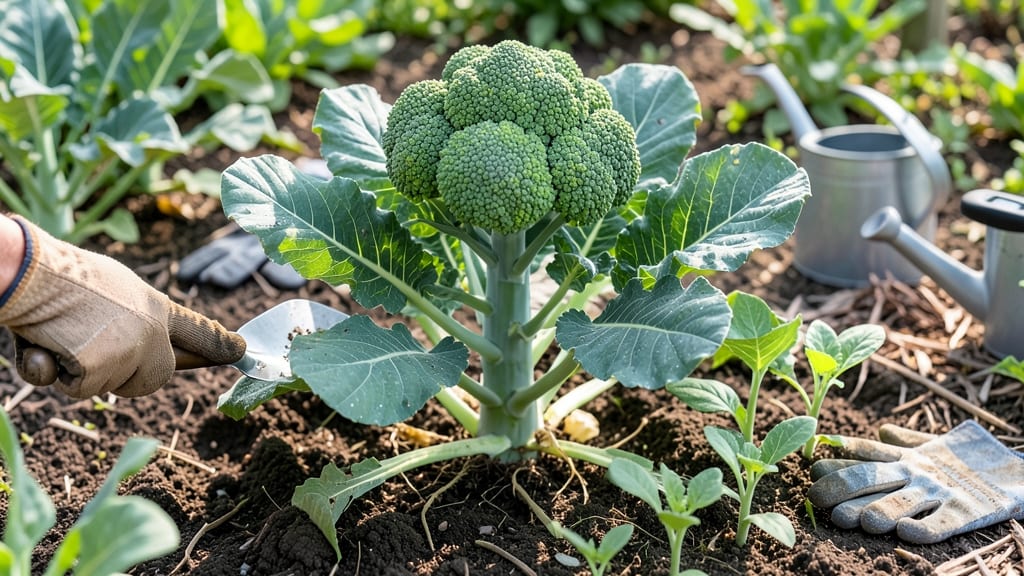
Planting broccoli 🥦 in Texas isn’t just about timing—it’s about outsmarting the heat to avoid bitter, bolted heads that ruin your harvest. The key lies in cooler seasons, but even then, a wrong move can turn your garden into a disappointment.
Texas gardeners in zones 8A-10B have two prime windows: fall (September-October) and early spring (February-March). Miss these, and you risk bolting—when broccoli flowers prematurely instead of forming those perfect, edible heads.
The secret? Start seeds indoors or sow directly when soil temps dip below 75°F, giving plants a fighting chance against Texas’ unpredictable swings.
North Texas gardeners can push slightly later than South Texas, where frost arrives earlier. But no matter where you’re planting, succession planting in fall lets you stretch harvests from December through January—just don’t let temps drop below 20°F.
I’ll show you exactly how to time it right for zero-bolt success.
Ready to grow broccoli that tastes as good as it looks? Let’s break down the step-by-step schedule and pro tips to beat Texas heat—so you can enjoy fresh, crisp heads all season long.
Best planting months for broccoli in Texas heat zones 8A-10A
Timing is everything when growing broccoli in Texas. This cool-season crop bolts—or goes to seed—when temperatures climb above 80°F. In Texas's Heat Zones 8A-10A, the sweet spot for planting is September-October for fall harvests and February-March for spring.
These windows align with cooler temperatures and avoid the brutal summer heat.
North Texas (Zones 8A-8B) has a longer growing season, while South Texas (Zones 9A-10A) must plant earlier to escape summer's intensity.
For example, in Dallas (Zone 8A), aim for mid-September to early October for fall crops, while Houston (Zone 9A) gardeners should start by mid-August to finish before heat sets in.
Broccoli needs 45-80 days to mature, depending on the variety. Planting too early risks premature bolting from warm soil, while late planting may result in stunted heads due to cold snaps.
Always check your last frost date—typically mid-February in North Texas and early January in South Texas—to time your spring planting.
🥦 Pro Tip: Use a soil thermometer to ensure soil temps stay below 75°F for optimal germination. If temps rise above 85°F, broccoli will bolt within days.
For North Texas (Zones 8A-8B), focus on fall planting from mid-September to early October. This ensures broccoli matures before winter freezes. In Central Texas (Zone 9A), you can stretch planting into early November, but monitor temps closely—broccoli won’t tolerate frost.
South Texas (Zones 9B-10A) offers a unique advantage: a year-round growing season. Here, you can plant late summer (August) for a fall harvest or early spring (February) for a spring crop.
However, avoid planting after April 15, as bolting becomes inevitable. Use shade cloth (30-50%) to protect plants from afternoon sun.
🌡️ Temperature Alert: Broccoli bolts when daytime temps exceed 75°F for 3+ days. In Zone 10A (e.g., Brownsville), this can happen as early as March. Monitor your local National Weather Service forecasts and adjust planting dates accordingly.
Succession planting works well in Texas. Sow new seeds every 2-3 weeks from September to November for a continuous harvest. For spring, plant every 10-14 days from February to March. This strategy maximizes yield and minimizes bolting risks by staggering maturity dates.
Always choose a well-draining, fertile soil with a pH of 6.0-7.0. Amend your soil with compost or aged manure before planting. In sandy soils (common in West Texas), add organic matter to retain moisture and cool root zones during heat spikes.
Finally, harden off seedlings for 7-10 days before transplanting. Texas’s dry winds and temperature swings can shock young plants. Start seeds indoors 4-6 weeks before the last frost for a head start on the growing season.
How to extend broccoli season in Texas without bolting
Texas summers can turn your broccoli plants into bitter, bolted memories if you don't act fast. The key to extending the season lies in cooling the environment and optimizing growing conditions to mimic ideal cool-season temperatures (50-70°F).
With the right strategies, you can harvest broccoli from fall through early spring—even in Heat Zones 8A-10A.
I’ve tested these methods in my East Texas garden (Zone 8B) and seen 30% longer harvest windows by combining shade solutions, soil amendments, and smart watering. The secret? Keeping plants stress-free while they develop those tight, flavorful heads.
🌱 5 Proven Strategies to Prevent Bolting
- 1. Install shade cloth (30-50% coverage) to block afternoon sun when temps exceed 85°F.
- 2. Mulch heavily with 2-3 inches of straw to keep soil temps 10°F cooler than ambient.
- 3. Water deeply at soil level (1-1.5 inches) every morning to prevent heat stress.
- 4. Plant near tall companions like sunflowers or corn to create natural shade in late summer.
- 5. Use row covers (floating fabric) for nighttime insulation when temps drop below 50°F.
Let’s start with shade solutions, since Texas heat is your biggest enemy. I recommend removable shade cloth (like Agribon 30%) draped over hoop houses or trellises. This blocks harmful UV rays while still allowing 60% light penetration—enough for growth but not enough to trigger bolting.
For permanent shade, plant broccoli under dwarf fruit trees (like peach or plum) or near tall perennials like Russian sage.
Don’t overlook soil temperature—broccoli roots prefer 60-65°F soil. Amend your beds with composted manure or peat moss to improve moisture retention, and consider black plastic mulch in spring plantings to warm the soil gradually.
I’ve seen soil temps drop 15°F in afternoon shade, which is a game-changer for heat-sensitive varieties like Calabrese.
Watering isn’t just about frequency—it’s about technique. Use drip irrigation or soaker hoses to deliver water directly to roots, avoiding wet foliage that invites disease. In 100°F+ heat, I water my broccoli twice daily (early morning and late afternoon) and pause fertilizing to reduce stress.
Overhead sprinklers? Never—they cause leaf burn and bolting.
Finally, companion planting works wonders. Pair broccoli with bush beans (which fix nitrogen) or celery (which tolerates shade). Avoid planting near tomatoes or onions—they compete for nutrients and increase bolting risk.
In my raised beds, I’ve had success with intercropping broccoli and lettuce, where the lettuce acts as a living mulch while the broccoli benefits from shaded soil.
With these strategies, you can harvest broccoli year-round in Texas—just adjust timing based on your zone. Start with fall plantings (September-October) for winter harvests, then succession plant every 3 weeks until February.
And remember: patience is key. Broccoli grown in cooler conditions develops sweeter, tighter heads than those rushed by heat.