
Companion Plants
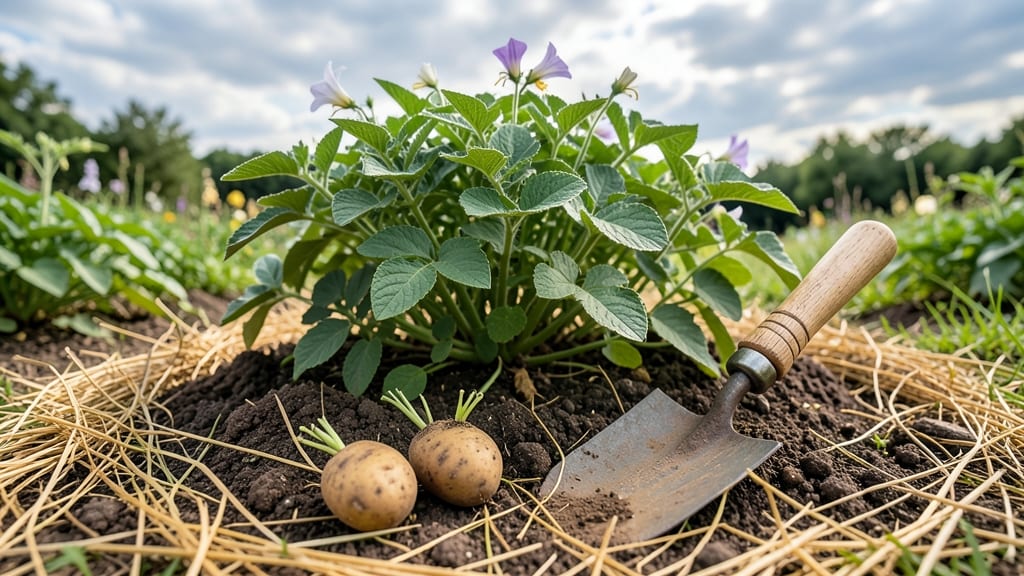
Timing your 🥔 potato planting in Zone 7 isn’t just about throwing seed potatoes in the ground—it’s the secret to avoiding stunted growth or disease-ridden tubers. Plant too early, and you risk cold soil stunting your sprouts; too late, and your harvest shrinks before summer’s heat sets in.
For Zone 7 gardeners, the ideal window is 2–4 weeks before your last frost (typically mid-March to early April), but soil temperature matters just as much as the calendar. If your ground stays below 45°F, even early varieties will struggle to break through.
Here’s what you’ll learn: the exact weeks to plant for maximum yield, how to adjust for early vs. late varieties, and warning signs your potatoes are in trouble before they even sprout.
Let’s get your Zone 7 potato patch off to the right start—because a few weeks’ difference can mean the difference between a bountiful harvest and a disappointing one.
Zone 7 potato planting calendar: exact weeks before last frost for optimal growth
Timing your potato planting in Zone 7 is critical—aim for 4–6 weeks before your last frost date (typically March 15–April 15). This window ensures your tubers develop strong roots before summer heat arrives, maximizing yield and disease resistance.
Plant too early, and cold soil stunts growth; too late, and you risk blight before harvest. Let’s break down the ideal planting windows and soil conditions for each.
Your Zone 7 last frost usually falls between mid-March and early April, but soil temperature matters more than air temperature. Potatoes thrive when soil reaches 45–55°F. If you plant when soil is below 45°F, sprouts may rot or grow slowly, delaying your harvest.
Use a soil thermometer to confirm—this is the #1 mistake gardeners make in Zone 7.
Pro Tip: In humid Zone 7 summers, planting 5 weeks before last frost (soil 50–55°F) often yields the best balance of early growth and disease avoidance. This aligns with most mid-season varieties like Russet Burbank, which need 90–110 days to mature.
⚠️ Key Risk: Planting 6 weeks early (soil 55–60°F) can expose tubers to early blight if humidity spikes. Conversely, planting only 3 weeks before frost may leave tubers vulnerable to late frosts or insufficient tuber formation.
| Planting Window | Soil Temp (°F) | Days to Harvest | Key Risks |
|---|---|---|---|
| 4 weeks before last frost | 45–50°F | 90–110 days | Cold soil slows sprouting |
| 5 weeks before last frost | 50–55°F | 100–120 days | Balanced growth |
| 6 weeks before last frost | 55–60°F | 110–130 days | Early blight risk |
If your soil warms slowly (common in Zone 7’s clay-heavy soils), opt for black plastic mulch to raise temperatures by 5–10°F. This lets you plant 1–2 weeks earlier without risking cold damage.
For example, if your last frost is April 1, aim to plant March 1–15 (soil 50–55°F) for mid-season varieties.
For early varieties like Yukon Gold (ready in 70–90 days), plant 4 weeks before frost (soil 45–50°F) to harvest by early July. Late varieties (e.g., Red Pontiac) need 6 weeks before frost (soil 55–60°F) to avoid blight. Stagger plantings every 2 weeks for a continuous harvest.
Zone 7-Specific Hack: Use straw mulch after sprouts emerge to retain moisture and prevent scab disease, which thrives in Zone 7’s humid summers. Keep mulch 3–4 inches away from stems to avoid rot.
Monitor your plants closely after 6 weeks of growth. If foliage yellows prematurely, it may signal late blight—a major threat in Zone 7. Remove affected plants immediately and rotate crops next year to non-solanaceae plants (e.g., beans, peas) to break the disease cycle.
Remember: Soil temperature > air temperature for potatoes. Even if air is 60°F, if soil is 40°F, sprouts won’t emerge. Test soil depth at 4 inches (where tubers form) for accuracy.
With the right timing and soil prep, you’ll harvest bigger, disease-resistant tubers in Zone 7—no more shriveled spuds! 🥔
How to adjust planting time for early vs. late potato varieties in Zone 7
In Zone 7, your potato harvest success hinges on matching variety type with the right planting window. Early varieties like ‘Yukon Gold’ need a quick start, while late varieties like ‘Red Pontiac’ thrive with a longer growing season.
Planting at the wrong time risks frost damage or underdeveloped tubers—so let’s break down the exact timing for each.
For early varieties, aim to plant 4 weeks before your last frost (typically mid-March in Zone 7). These potatoes mature in just 70–90 days, making them perfect for early summer harvests.
Late varieties, however, need that extra time—plant them 6 weeks before frost for a late-summer bounty.
| Variety Type | Best Planting Window | Days to Maturity | Zone 7 Harvest Window |
|---|---|---|---|
| Early (e.g., Yukon Gold) | 4 weeks before frost | 70–90 days | Early June–July |
| Mid-Season (e.g., Russet) | 5 weeks before frost | 90–110 days | July–August |
| Late (e.g., Red Pontiac) | 6 weeks before frost | 110–130 days | August–September |
Stagger your planting dates by 2 weeks to extend your harvest season. For example, plant ‘Yukon Gold’ in early March for a June harvest, then follow with ‘Russet’ in late March for August. This continuous harvest strategy ensures fresh potatoes all summer long.
Watch for late spring frosts—they can devastate early plantings. If frost is forecasted after planting, cover rows with lightweight row covers or straw mulch to protect tender shoots. Late varieties are more frost-tolerant, but even they need protection if frost hits after sprouting.
Soil temperature is just as critical as planting dates. Use a soil thermometer to confirm temperatures are above 45°F before planting. Cold soil delays sprouting and invites disease risks. For early varieties, warm the soil faster with black plastic mulch or a cold frame.
Pro tip: If you love new potatoes, plant a small batch of early varieties 2 weeks later than your main crop. This gives you baby potatoes in July while your late varieties mature for fall storage.