
Companion Plants
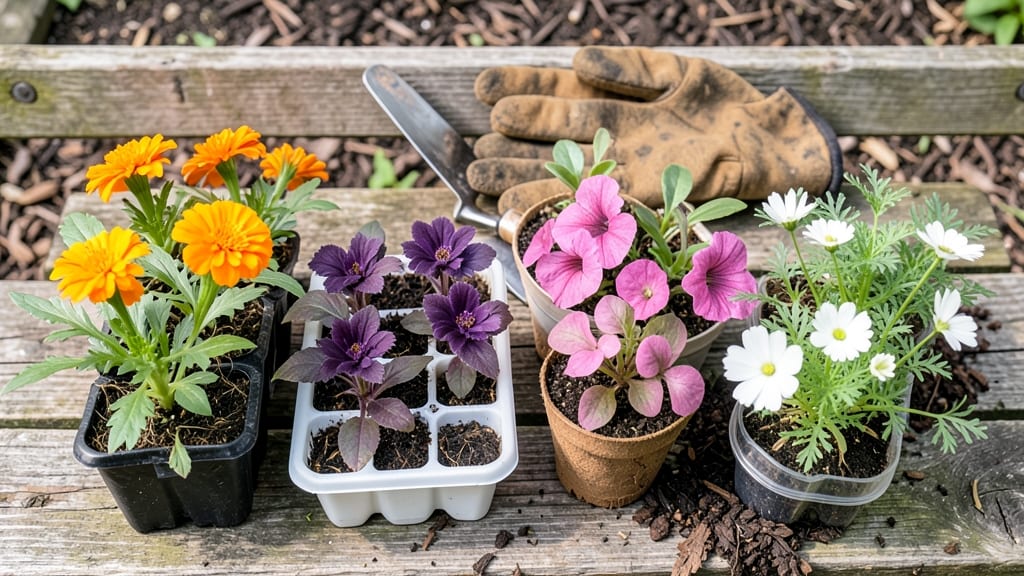
When can I plant annuals in Zone 6? Timing your annuals just right can mean the difference between a garden bursting with color and one that struggles to take off. Whether you're planting vibrant marigolds or crisp lettuce, getting the weeks before last frost down to a science is the key to strong, healthy starts.
I’ve learned the hard way that rushing too early or waiting too long can leave your plants vulnerable to frost or heat stress. The secret lies in understanding your specific subregion—whether you’re in the Mid-Atlantic or the Midwest—because even within Zone 6, frost dates can shift by weeks.
In this guide, I’ll break down exactly when to plant your cool-season favorites 6-8 weeks before frost and your heat-loving annuals 2-4 weeks after. You’ll also discover how to adjust for unpredictable weather, so your garden thrives no matter what Mother Nature throws your way.
Ready to transform your planting strategy? Let’s dive into the precise timing and pro tips that will give your annuals the best possible start—so you can enjoy a garden that’s lush, long-lasting, and full of life.
Zone 6 last frost dates: exact weeks before planting annuals for each region
Zone 6 spans a wide geographic area, from the Midwest to the Mid-Atlantic, with Zone 6a (colder) and Zone 6b (warmer) subregions. The last frost date varies by 1-2 weeks, so knowing your exact zone helps prevent frost damage.
For example, Chicago (6b) typically sees its last frost around April 20, while Pittsburgh (6a) averages May 5. These dates determine when to plant cool-season annuals like lettuce or warm-season favorites like tomatoes.
Cool-season annuals thrive when planted 6-8 weeks before your last frost date. This gives them time to establish roots before summer heat arrives. Warm-season annuals, however, need to wait until 2-4 weeks after the last frost when soil temperatures consistently reach 60°F.
Microclimates—like urban heat islands or shaded valleys—can shift these dates by 1-2 weeks, so always monitor local forecasts.
Use this summary table to pinpoint your planting timeline based on your Zone 6 subregion. Adjust for late frosts by using row covers or cloches to protect tender seedlings.
For Zone 6a, aim to plant cool-season crops by March 15, while Zone 6b gardeners can start as early as March 1.
| Zone 6 Subregion | Avg. Last Frost Date | Cool-Season Planting Window | Warm-Season Planting Window | Soil Temp. Threshold |
|---|---|---|---|---|
| Zone 6a (Pittsburgh, NYC) | May 5 (±7 days) | March 15–April 15 | May 20–June 1 | 60°F+ consistently |
| Zone 6b (Chicago, Cleveland) | April 20 (±7 days) | February 28–March 31 | April 25–May 15 | 55°F+ consistently |
| Microclimate (Urban/Valley) | ±7–14 days | Adjust ±1–2 weeks | Adjust ±1–2 weeks | Use soil thermometer |
Cool-season annuals like pansies or kale can handle light frosts, so plant them 4-6 weeks before your last frost date. These hardy plants often bolting or bitter if exposed to summer heat too soon.
For Zone 6b, this means starting seeds indoors by February 1 or direct-sowing by March 1. In Zone 6a, wait until March 15 to avoid frost damage.
Warm-season annuals, such as tomatoes or peppers, require warm soil (60°F+) to germinate. In Zone 6b, you can direct-sow after April 25, while Zone 6a gardeners should wait until May 15.
To speed up soil warming, use black plastic mulch or plant in south-facing beds. Always check soil temperature with a thermometer—cold soil delays germination by weeks.
Extending your growing season with season extenders like cold frames or hoop houses can shift these dates. For example, a hoop house might let you plant spinach in Zone 6a as early as February 15.
Similarly, row covers protect basil seedlings from late frosts, allowing you to plant 2 weeks earlier than the average last frost date. Monitor local frost alerts and adjust planting dates accordingly.
One common mistake is planting warm-season annuals too early. Seedlings will stunt or rot in cold soil. Always verify soil temperature with a thermometer—it’s the most accurate way to determine readiness.
For Zone 6b, aim for 55°F+; in Zone 6a, wait for 60°F+. Patience here ensures stronger, healthier plants.
For fall planting, calculate first frost dates (typically October 15–November 1 in Zone 6). Cool-season annuals like
Best annuals to plant early vs. late in Zone 6: a timing guide
Getting your annuals in the ground at the right time in Zone 6 ensures vibrant blooms and bountiful harvests. Cool-season annuals like pansies and lettuce thrive when planted 6-8 weeks before your last frost, while warm-season favorites like marigolds and basil need to wait until 2-4 weeks after.
Timing isn’t just about frost dates—it’s also about soil temperature and plant hardiness.
In Zone 6, your last frost date typically falls between April 15-30, but this can shift 2-3 weeks earlier or later depending on your subregion (6a vs. 6b).
For example, pansies and calendula can handle light frosts, while tomatoes and peppers will bolt if planted too soon. Let’s break down the best annuals for each planting window.
- 1 Cool-Season Annuals (Plant 6-8 Weeks Before Last Frost): Pansies, snapdragons, lettuce, spinach, calendula. These tolerate light frosts and thrive in 50-60°F soil. Ideal for spring and fall planting.
- 2 Transitional Annuals (Plant 2-4 Weeks Before Last Frost): Marigolds, nasturtiums, basil, coleus. These need warm soil (60°F+) but can handle brief cool snaps. Perfect for late spring when nights are chilly but days warm up.
- 3 Warm-Season Annuals (Plant 2-4 Weeks After Last Frost): Marigolds, tomatoes, peppers, zinnia, cosmos. These require consistent warmth (70°F+ soil) and won’t survive frost. Start seeds indoors 4-6 weeks before for a head start.
- 4 Fall Planting Window (8-10 Weeks Before First Frost): Kale, radishes, cosmos, pansies. These handle cool weather and even light frosts. Plant late summer for autumn blooms and harvests.
For Zone 6, I always plant cool-season annuals like pansies in early March to enjoy spring blooms, while warm-season plants like marigolds go in mid-May after the last frost. Use row covers for early plantings to protect from unexpected frosts—this extends your planting window by 2-3 weeks.
Pro tip: Test your soil temperature with a thermometer before planting. Cool-season plants need 50-60°F, while warm-season crops require 60-70°F. If your soil is too cold, wait another week or use black plastic mulch to warm it faster.
Don’t overlook fall planting! Many annuals like cosmos and pansies thrive in cool autumn weather and can bloom until first frost. Aim to plant these 8-10 weeks before your average first frost date—typically late August to early September in Zone 6.
By matching your annuals to the right planting window, you’ll avoid frost damage and bolting while maximizing your garden’s season-long color and harvests.
Start with these timing guidelines, and adjust based on your local microclimate—your garden will thank you with lush growth and vibrant blooms all season! 🌷