
Watering
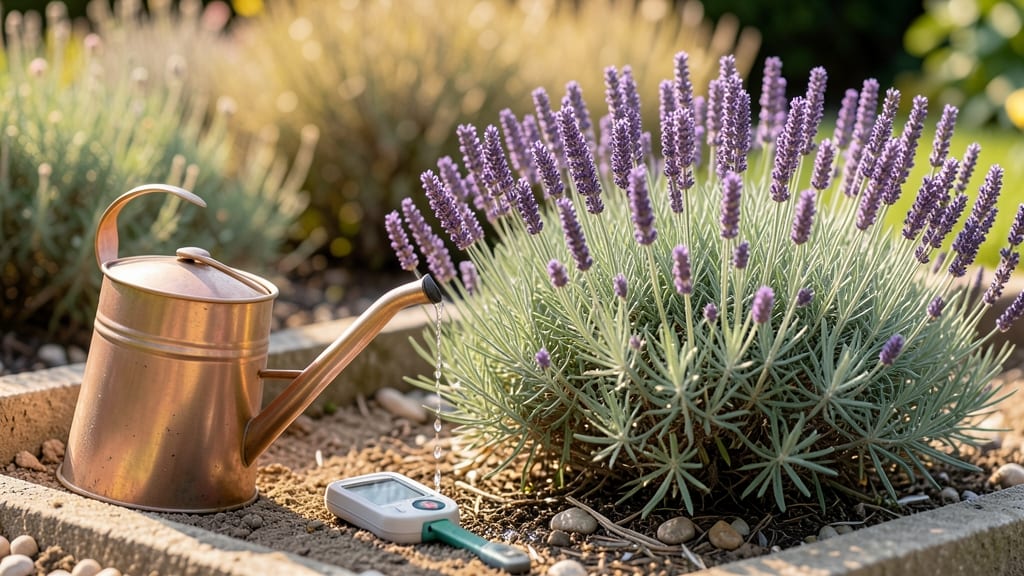
When it comes to lavender plant how much water it needs, most gardeners make one critical mistake that stunts growth—and it’s not what you think.
You might assume lavender needs constant moisture, but the truth is, overwatering is the silent killer of these drought-loving plants. Too much water suffocates roots, while too little leaves them thirsty but resilient. The key lies in understanding lavender’s natural thirst cycle, which changes with seasons and soil conditions.
In this guide, I’ll break down the exact watering schedule lavender craves—from spring’s weekly deep soaks to summer’s bi-weekly sips—and how to spot the subtle signs of over- or underwatering before it’s too late.
Whether you’re growing lavender in containers or garden beds, these practical tips will help you keep your plants healthy, fragrant, and blooming for years without drowning them in well-intentioned (but deadly) moisture.
Lavender watering schedule by season: how often to water for maximum growth
Lavender thrives on consistency and drought tolerance, but most gardeners overwater without realizing it. My first lavender plant died from soggy roots—a mistake I won’t repeat.
The key? Understanding how seasons and containers change lavender’s thirst. Let’s break it down by environmental factors and plant type so you water like a pro.
Lavender’s roots hate wet feet. In nature, it grows in Mediterranean climates with hot, dry summers and cool, wet winters. Mimic these conditions, and your lavender will reward you with abundant blooms and intense fragrance.
The biggest mistakes? Watering on a schedule instead of checking soil moisture, and ignoring container vs. garden bed differences.
Soil moisture is your best friend. Stick your finger 2 inches deep into the soil—if it feels dry, water; if it’s damp, wait. Containers dry out faster than garden beds, so check them daily in summer. Overwatering causes root rot, while underwatering stresses the plant but won’t kill it quickly. Balance is everything.
Here’s how to adjust your watering based on season and plant type:
| Season | Garden Beds (Frequency) | Containers (Frequency) | Soil Moisture Check | Watering Time |
|---|---|---|---|---|
| Spring (March-May) | Every 7-10 days | Every 5-7 days | Dry 1-2 inches deep | Morning (6-9 AM) |
| Summer (June-August) | Every 10-14 days (deep soak) | Every 3-5 days | Dry 3+ inches deep | Early morning (5-7 AM) |
| Fall (September-November) | Every 14-21 days | Every 7-10 days | Dry 2 inches deep | Late morning (9-11 AM) |
| Winter (December-February) | Every 4-6 weeks (if no rain) | Every 3-4 weeks | Dry 1 inch deep | Avoid watering (unless frost risk) |
Spring is all about establishing roots. Water deeply but infrequently to encourage roots to grow downward. If your lavender is newly planted, give it extra attention—young plants need consistent moisture to adapt.
Containers dry out faster, so check them daily in hot weather. Pro tip: Use a moisture meter for accuracy.
Summer is when lavender slow its growth to conserve water. The goal? Deep, infrequent watering to mimic natural drought conditions. Water at dawn to reduce evaporation and prevent fungal diseases.
If your lavender wilts, it’s thirsty, but don’t overcompensate—one deep watering is enough. Mulch with gravel or pebbles to retain moisture without suffocating roots.
Fall signals preparation for dormancy. Reduce watering as temperatures drop, but don’t let the soil completely dry out. Lavender stores water in its stems, so it can handle drier conditions than most plants.
In containers, water every 7-10 days unless rain is frequent. Watch for yellowing leaves, a sign of overwatering in cooler weather.
Winter watering is minimal. Most lavender varieties are dormant and only need water if the soil is bone dry. In containers, water monthly unless you’re in a frost-prone area, where you might skip watering entirely.
If you live in a mild climate, a light watering every 4-6 weeks keeps lavender healthy without encouraging root rot.
Adjust for your local climate. Humid areas need less frequent watering than dry regions. If you’re in Zone 8 or higher, lavender may need daily checks in summer.
In cooler zones, like Zone 5, water less often even in summer. Always prioritize soil drainage—lavender hates soggy soil more than it hates drought.
Containers are
Signs your lavender is overwatered or underwatered (and how to fix it)
Lavender may look delicate, but it’s actually a drought-resistant powerhouse that despises soggy roots. The moment you see yellowing leaves or mushy stems, your plant is screaming for help—but it’s often too late if you don’t act fast.
Even wilting in hot weather can be a sign of overwatering, not thirst. Let’s decode these clues and save your lavender before it’s too late.
First, check the soil moisture by sticking your finger 2 inches deep. If it’s damp, you’ve likely overwatered. Lavender roots need air circulation, not a swampy environment. The key is deep, infrequent watering—think of it like giving your plant a long drink instead of a daily sip.
When in doubt, wait until the top inch of soil feels bone-dry before watering again.
⚠️ callout warning ⚠️
- Mushy stems or blackened roots = root rot (fatal if ignored)
- Yellow leaves that don’t crisp up = overwatering or poor drainage
- Fungal growth (white/pink fuzz) = excess moisture + humidity
On the flip side, underwatered lavender shows signs like crispy leaf edges or stems that flop dramatically in heat. Unlike wilting from overwatering, these leaves stay dry and papery rather than mushy. The fix?
Water deeply until it drains from the bottom of the pot or runs through the soil—then let it dry completely before the next watering. Morning watering is ideal to reduce evaporation.
For root rot recovery, trim away blackened roots with sterilized scissors and replant in fast-draining soil. Add a handful of coarse sand or gravel to the bottom of containers to prevent future soggy conditions.
If your lavender is in the ground, consider amending the soil with compost and perlite to improve drainage. Patience is key—reviving a waterlogged lavender can take weeks or even months.
Pro tip: Mulch lightly with gravel or straw (never wood chips) to keep roots cool without trapping moisture. This mimics lavender’s natural Mediterranean habitat, where it thrives in dry, rocky soil.
Over time, your plant will develop deeper roots that seek out moisture naturally, making it far more resilient to your watering mistakes.
Remember, lavender’s fragrance and color are your best indicators of health. A thriving plant should smell intensely sweet when you brush its leaves, and its buds should stay tight and purple.
If these signs fade, it’s time to reassess your watering habits. With the right balance, your lavender will reward you with abundant blooms and years of low-maintenance beauty. 🌿