
Plants
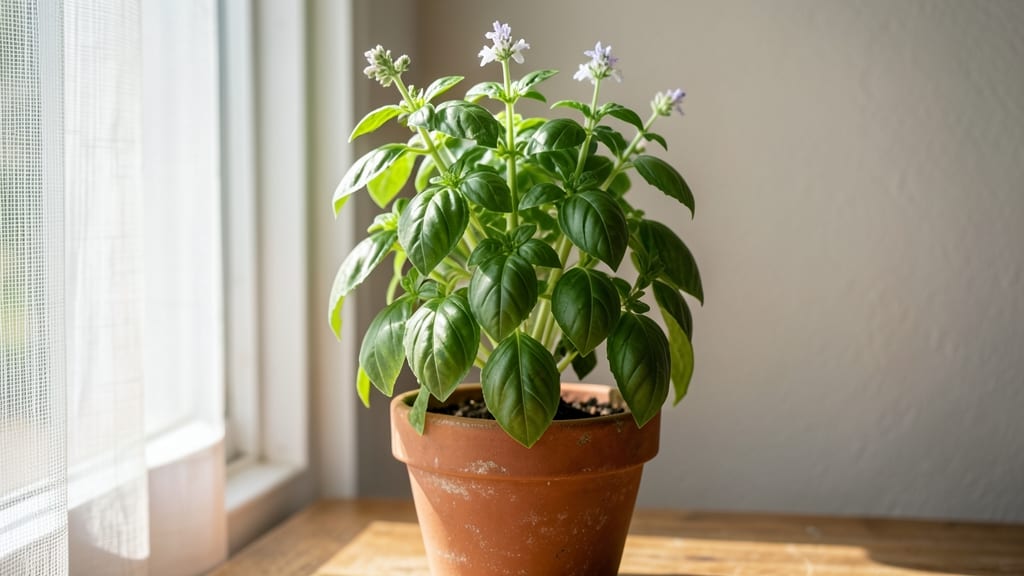
Most basil varieties, like the classic Genovese or Thai basil, typically grow between 18 to 24 inches tall when given ideal conditions, but dwarf varieties can stay as short as 6 to 12 inches.
The difference? Sunlight, pruning, and even the pot size you choose can push your 🌿 basil to new heights—or keep it neatly trimmed.
If you’re growing basil outdoors in Zone 6a, expect bushier, taller plants that thrive in April and May planting windows. But indoors? Containers and limited light can stunt growth unless you take the right steps.
I’ll show you how to maximize height (or keep it compact) based on where you’re growing.
Ready to unlock the secrets of basil growth? Let’s dive into how sunlight, soil, and pruning work together to shape your plant’s height—and how to adjust for your specific setup.


Basil plant height limits: outdoor growth potential explained
When growing basil outdoors, its height can vary dramatically based on variety selection, sunlight exposure, and soil quality. Unlike its indoor counterparts, outdoor basil often reaches its genetic height potential when given ideal conditions.
Most varieties mature between 12 to 24 inches tall, but some dwarf types stay as short as 6 inches—making variety choice your first lever for controlling height.
Sunlight is the most critical factor for basil's vertical growth. Full sun (6+ hours daily) triggers rapid stem elongation, while partial shade keeps plants shorter but may reduce leaf production.
I’ve seen Genovese basil in my garden stretch to 2 feet tall when planted in rich, well-draining soil with consistent afternoon sun, while the same variety in lighter soil barely reached 18 inches.
Soil fertility also plays a surprising role. Nitrogen-rich soil promotes leafy growth but can make stems leggy, while balanced nutrients (10-10-10) encourage compact, bushier plants.
My Thai basil plants in compost-amended beds stayed under 18 inches but produced twice as many leaves as those in poor soil, which grew taller but spindly. Always amend soil with organic matter before planting.
Here’s how basil varieties compare in outdoor settings, including their typical height ranges and growth habits:
| Variety | Outdoor Height Range | Growth Habit | Sun Needs | Pruning Tip |
|---|---|---|---|---|
| Genovese | 18–24 inches | Upright, bushy | Full sun | Pinch tops at 6 inches |
| Thai (Holy) | 12–18 inches | Compact, spreading | Full sun to part shade | Harvest leaves regularly |
| Purple Ruffles | 10–16 inches | Bushy, decorative | Full sun | Deadhead flowers |
| Spicy Globe | 6–12 inches | Dwarf, rounded | Full sun | Minimal pruning needed |
| Lemon Basil | 18–24 inches | Tall, leggy if overcrowded | Full sun | Space plants 12 inches apart |
Pruning is another tool to control height. Regularly pinching back the top sets of leaves encourages bushier growth and prevents tall, weak stems. I prune my Genovese basil every 2–3 weeks during the growing season, which keeps it under 20 inches and boosts leaf production.
Without pruning, the same plants can bolt and reach 3 feet tall—though the leaves become bitter and less flavorful.
Watering habits also influence height. Overwatering leads to soft, elongated stems, while consistent moisture (about 1 inch per week) supports sturdy growth. My Thai basil in containers stays shorter when I water deeply every 2–3 days rather than lightly daily.
Always water at the base of the plant to avoid wetting leaves, which can cause fungal issues.
If you’re growing basil in containers outdoors, pot size matters. Smaller pots (under 6 inches wide) restrict root growth, capping height at 12–18 inches. Larger containers (12+ inches) allow roots to spread, enabling taller growth—up to 24 inches for standard varieties.
I use fabric grow bags for my outdoor basil to prevent root-bound stress, which keeps plants compact and healthy.
Temperature extremes can stunt growth or cause bolting. Heat waves above 90°F stress basil, making it grow
Indoor basil growth constraints: how containers and light affect height
Indoor basil plants often struggle to reach their full outdoor height potential due to limited space and light. Without proper container size and sunlight exposure, your basil may stay stunted at just 6-12 inches tall instead of the expected 1-2 feet.
The right conditions can make all the difference in transforming your kitchen windowsill into a thriving basil garden.
One of the biggest challenges indoors is root restriction. Basil plants need room to develop strong roots that support upward growth. When confined to small pots, they focus energy on leaf production rather than height.
Even with adequate light, a 5-gallon container is the minimum for healthy growth—anything smaller will limit your basil's potential stature.
⚠️ callout warning ⚠️
Indoor basil typically maxes out at 12-18 inches unless given grow lights and large containers. Without these, expect 6-12 inches—about the height of a standard coffee mug. Leggy growth signals light deprivation, while compact bushiness means root-bound conditions.
💡 Pro Tip: Rotate pots weekly for even light exposure and upgrade to 7+ inch pots immediately if stems exceed container width.
Light is the other critical factor—indoor basil craves 6+ hours of direct sunlight daily. South-facing windows provide the best natural light, but most homes fall short. If your basil starts stretching toward the window with long, pale stems, it's begging for more light.
Supplement with a grow light 12 inches above the plant for 10-12 hours daily to encourage balanced growth and prevent height loss.
Pruning plays a surprising role in height control. Regularly pinching off the top sets of leaves encourages bushier growth rather than tall, spindly stems. Aim to trim when your basil reaches 6-8 inches tall, always cutting just above a leaf node.
This technique redirects energy toward lateral growth, keeping your plant compact and productive—ideal for small indoor spaces.
For maximum height, combine these strategies: use a 7+ inch pot with well-draining soil, place near a south-facing window, and supplement with grow lights. With these adjustments, you can coax your indoor basil to reach 18-24 inches—nearly matching outdoor varieties—while keeping it manageable for kitchen gardening.
Remember, indoor basil's height isn't just about genetics—it's about creating the right environment. By addressing container size, light exposure, and pruning habits, you'll transform your basil from a stunted houseplant into a thriving, height-optimized herb garden. The right conditions make all the difference! 🌿