
How To
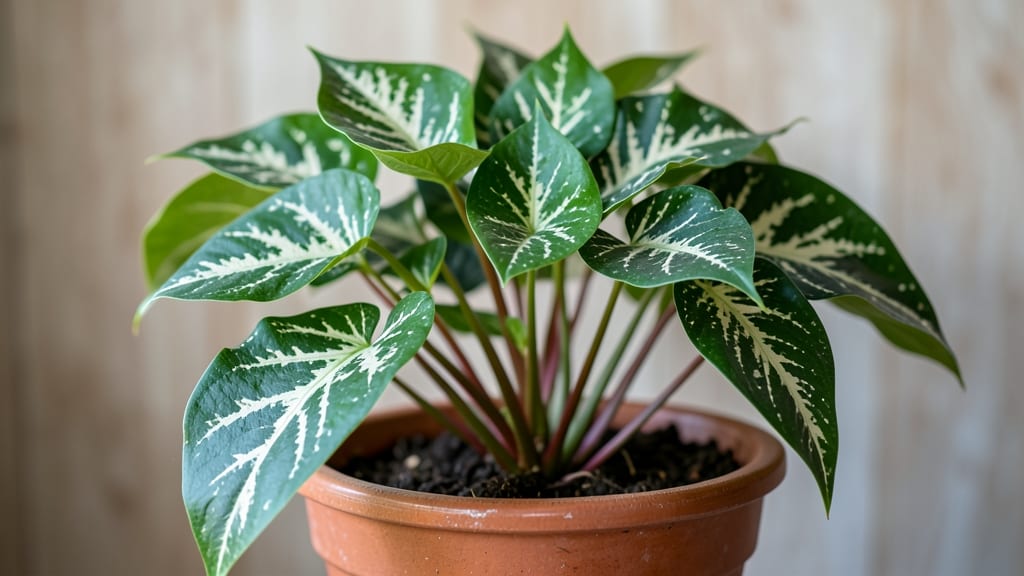
If you’re wondering how much light does an Arrowhead Plant need, the answer lies in bright indirect light—something easier to achieve than you might think. Your droopy or pale-stemmed plant might just be begging for the right balance. Too much direct sun? Watch those leaves crisp up like toast.
Too little light? Your plant will stretch out, searching for warmth, and lose its vibrant charm. The good news? With a few simple adjustments, you can create the perfect spot for your Arrowhead Plant to flourish, whether it’s near a window or under artificial lighting.
I’ve helped countless plant parents revive their Arrowhead Plants by tweaking just one thing: light exposure. In this guide, I’ll walk you through the ideal conditions, how to spot signs of trouble, and even how to hack your home’s lighting for the best results—no green thumb required.
Ready to transform your plant’s health? Let’s dive into the secrets of bright indirect light that’ll have your Arrowhead Plant looking lush and happy in no time.
 Best Window Placement
Optimal light requirements for arrowhead plants: bright indirect sunlight explained
The arrowhead plant (Syngonium podophyllum) thrives in bright indirect light, making it perfect for homes with natural light but no harsh midday sun. This tropical beauty mimics its native understory habitat, where dappled sunlight filters through trees.
Too little light causes leggy growth and pale leaves, while too much direct sun leads to brown leaf tips or crispy edges. Understanding these nuances is key to keeping your plant lush and vibrant.
For ideal growth, position your arrowhead plant within 2-3 feet of an east-facing window, where morning sunlight is gentle. West-facing windows can work but require sheer curtains to diffuse the intense afternoon rays.
South-facing windows are trickier—only use them if you can provide filtered light or move the plant back 4-5 feet away. North-facing windows offer the softest light but may not provide enough intensity for long-term health.
Arrowhead plants need about 4-6 hours of indirect light daily. Think of it like a balanced diet—just enough to fuel growth without causing stress. In lower-light conditions, you’ll notice slower growth and smaller leaves, while too much direct sun triggers leaf scorch.
The goal is to find that sweet spot where your plant’s foliage stays rich green and compact.
🌿
Seasonal adjustments are crucial for arrowhead plants. During spring and summer, when sunlight is most intense, move your plant slightly farther from windows or use light-colored curtains to prevent overheating.
In fall and winter, when natural light dims, supplement with a grow light if you notice the plant stretching toward the window—a classic sign of light deprivation. A simple LED bulb on a timer can work wonders for maintaining consistent growth.
Monitor your arrowhead plant’s leaves for subtle clues about its light needs. Dark green, glossy leaves indicate perfect conditions, while yellowing between veins suggests too much water or low light. Brown patches or dry edges are clear signals of excessive direct sunlight.
Regularly rotate your plant quarter-turns weekly to ensure even light exposure on all sides, preventing lopsided growth and keeping the foliage symmetrical.
If you’re unsure whether your space meets the arrowhead plant’s light requirements, conduct a simple test: Place a white piece of paper near the plant for a few hours. If the paper stays bright with no yellowing, the light is safe.
If it turns yellow or brown, the area is too harsh. This quick trick helps you gauge whether your plant needs to be moved or if you should add a light diffuser.
For indoor gardeners in low-light apartments, consider variegated arrowhead plant varieties like ‘White Butterfly’ or ‘Pink Flash’—they tolerate slightly lower light conditions better than solid green types. These varieties also add a visual pop to dimmer spaces while still thriving with bright indirect light.
Pair them with a reflective surface, like a white wall or mirror, to maximize the light they receive.
Outdoor arrowhead plants, when brought outside during warm months, need partial shade—think morning sun and afternoon shade. Avoid placing them in full sun, as the tropical plant isn’t equipped to handle prolonged exposure.
A dappled shade spot under a tree with an open canopy is ideal. If you notice the leaves curling or developing sunburn spots, move the plant to a shadier location immediately.
🌱
How to adjust light for arrowhead plants in different environments
Arrowhead plants (Syngonium podophyllum) are adaptable, but their light needs shift depending on whether they’re indoors or outdoors, in a dim office, or basking near a sunlit window. If your plant looks leggy or pale, it’s craving more light.
Conversely, brown leaf tips or crispy edges signal too much harsh sunlight. Let’s troubleshoot these scenarios with practical fixes.
For low-light spaces, like north-facing rooms or offices, arrowhead plants can survive but thrive best with supplemental grow lights. Place your plant within 3-4 feet of a fluorescent or LED grow bulb (6-8 hours daily).
Rotate the pot weekly to prevent uneven growth. If natural light is scarce, consider a south-facing window or a sunny patio during warmer months.
🌿 Low-Light Solutions
- Use grow lights 6-8 hours/day
- Rotate pot weekly for even growth
- Choose east-facing windows for gentle morning sun
- Place near cold drafts or heating vents
- Ignore yellowing leaves for long periods
- Use direct afternoon sun without filtering
In high-light areas, such as south-facing windows or greenhouses, arrowhead plants need protection from intense midday sun. Use sheer curtains or a light-colored blind to diffuse harsh rays. If you notice leaf scorch (brown patches), move the plant 2-3 feet back from the window.
Outdoor arrowhead plants should be placed in partial shade during peak summer hours, especially in USDA Zone 7+ where sunlight is strongest.
If your arrowhead plant develops long, spindly stems (a sign of etiolation), it’s stretching toward light. This often happens in dim corners or under artificial lighting that’s too weak. Upgrade to a full-spectrum LED grow light (10,000-12,000 Kelvin) and keep it 6-12 inches above the plant.
For indoor setups, a south or west-facing window with filtered light is ideal—just avoid placing it directly on a sunny sill where temperatures can exceed 80°F.
Seasonal adjustments are key! In winter, when daylight is shorter, supplement with grow lights or move the plant closer to a bright window. During summer, increase airflow with a small fan (set to low) to mimic outdoor conditions.
If you’re growing outdoors, acclimate your arrowhead plant gradually to prevent sunburn—start with 1-2 hours of morning sun and gradually increase exposure over 2-3 weeks.
Pro tip: Monitor your plant’s leaf color and growth rate to fine-tune light exposure. Darker, glossy leaves indicate optimal conditions, while pale or dull foliage means it’s time to adjust. With these tweaks, your arrowhead plant will reward you with lush, arrow-shaped leaves year-round! 🌿