
Plants
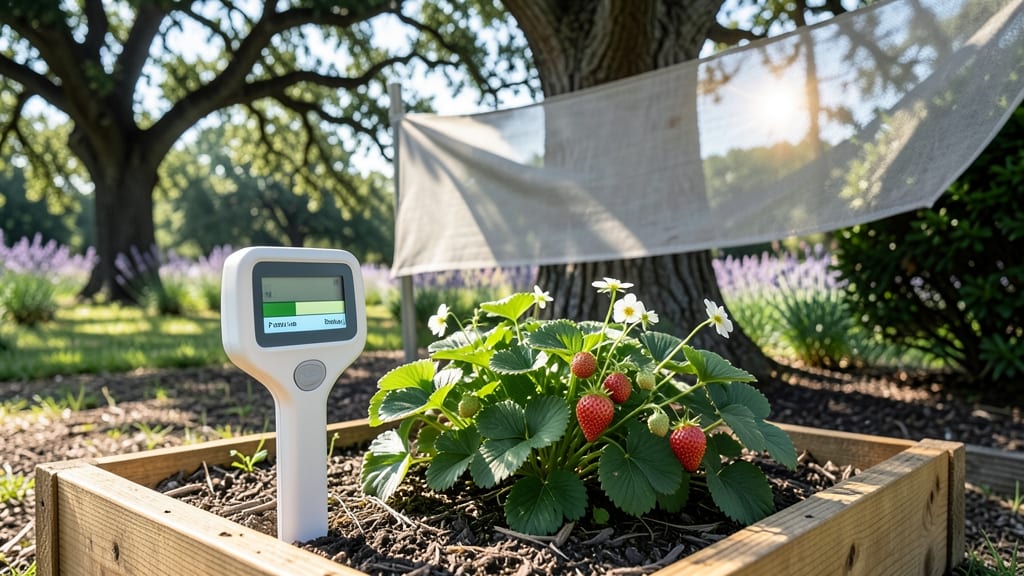
To get the juiciest, most abundant strawberries 🍓, you might be surprised to learn that how much light does a strawberry plant need is the game-changer between a decent harvest and a bumper crop.
Too little sunlight, and your plants will struggle; too much, and you risk scorching the leaves before the berries even ripen. The sweet spot? Understanding exactly how many hours of light your strawberries crave—and how to tweak their environment for peak performance.
Most gardeners assume strawberries are low-maintenance, but the truth is, these little powerhouses demand at least 6 to 8 hours of direct sunlight daily to produce flavorful fruit. Skimp on light, and you’ll end up with small, tart berries—or worse, no harvest at all.
But here’s the kicker: not all strawberry varieties play by the same rules, and seasonal shifts can throw off even the best-laid plans.
Whether you’re planting in raised beds, containers, or your backyard patch, I’ll break down the exact sunlight needs for June-bearing, everbearing, and day-neutral varieties—plus how to spot when your plants are begging for more (or less) light.
You’ll also discover clever workarounds for shady spots or blazing summer afternoons, so no matter where you garden, you can grow strawberries that taste like summer should.
Ready to turn your strawberry patch into a productivity powerhouse? Let’s dive into the sunlight secrets that’ll have you harvesting bigger, sweeter berries in no time—without guessing or second-guessing your setup.
 Best Window Placement
Optimal sunlight hours for strawberry plants by variety and growth stage
Strawberries are sun-loving plants, but their light needs shift dramatically depending on the variety and growth stage. While most gardeners assume "full sun" means 8+ hours daily, strawberries actually thrive with 6-10 hours—and some varieties tolerate less. Understanding these nuances ensures sweeter fruit and healthier plants.
The three main strawberry types—June-bearing, everbearing, and day-neutral—each respond differently to sunlight. June-bearing varieties, like 'Chandler', demand the most light, while day-neutral types, such as 'Albion', adapt better to partial shade.
Even within a single plant’s lifecycle, sunlight requirements change from seedling to flowering to fruiting stages.
Here’s the breakdown you need: minimum sunlight hours by variety and stage, plus how to adjust for high-intensity light or shaded conditions without sacrificing yield. The right balance prevents bitter fruit, poor pollination, and leaf scorch.
🌱 Pro Tip: Use a light meter or observe your garden’s sun patterns for 3 days. Note which areas receive direct sunlight between 10 AM and 4 PM—this is prime strawberry sunlight.
| Variety | Seedling Stage | Flowering Stage | Fruiting Stage | Notes |
|---|---|---|---|---|
| June-bearing | 4-6 hours | 6-8 hours | 8+ hours | Highest yield with full sun; tolerates 5 hours minimum. |
| Everbearing | 4-5 hours | 5-7 hours | 6-8 hours | Adaptable; produces fruit in partial shade but with smaller berries. |
| Day-neutral | 3-4 hours | 4-6 hours | 5-7 hours | Most shade-tolerant; ideal for containers or urban gardens. |
| All Varieties | Morning sun preferred | Avoid afternoon heat | Dappled shade OK in extreme heat | Reflective surfaces (white walls) can boost light by 20%. |
During the seedling stage, young strawberry plants prioritize root development over fruit production. June-bearing varieties need only 4-6 hours of light to establish strong roots, while day-neutral types thrive with as little as 3-4 hours. This is your chance to transplant seedlings into permanent beds without stressing them.
As plants enter the flowering stage, light demands spike. June-bearing strawberries, like 'Jewel', require 6-8 hours of sunlight to set flowers properly. Insufficient light here leads to blind flowering—buds that form but never open.
Everbearing types, such as 'Seascape', are more forgiving but still need 5-7 hours to avoid poor pollination.
At the fruiting stage, all varieties crave maximum sunlight. June-bearing strawberries demand 8+ hours for optimal sugar development, while day-neutral types like 'Fort Laramie' produce well with 5-7 hours.
Here’s where light intensity matters most: Direct midday sun (11 AM–3 PM) yields sweeter, larger berries compared to early morning or late afternoon light.
In high-light conditions (e.g., desert climates), strawberries may need afternoon shade to prevent leaf scorch. Use shade cloth (30-50% coverage) during peak summer hours. Conversely, in low-light gardens, prioritize day-neutral varieties and place plants near reflective surfaces (e.g., white fences) to amplify light by up to 20%.
Seasonal adjustments are key: Strawberries planted in late winter (Zone 6a) need supplemental grow lights if natural light drops below 5 hours/day. In summer, mulch with straw or wood chips to retain soil moisture and protect roots from heat stress.
Monitor your strawberries’ leaf color and fruit development to fine-tune light exposure. Pale green leaves signal light deficiency, while crispy edges indicate
Signs your strawberry plants aren’t getting enough (or too much) light
Strawberries are sun-worshippers, but even they can get stressed by light extremes. When your plants aren’t getting the right amount of sunlight, they send clear visual cues.
Watch for pale yellow leaves or stretched-out stems—these are classic signs of light deficiency. Your berries might also stay small, hard, or fail to ripen properly.
On the flip side, too much direct sun can cause scorched leaves that turn crispy and brown at the edges. The fruit may develop a bitter taste or even split under intense heat.
Both extremes reduce your harvest quality and plant health, so learning to spot these signs early is key to saving your crop.
Don’t ignore these red flags—your strawberries are begging for help!
- ❌ Too Little Light: Leggy growth, pale leaves, poor fruiting
- ❌ Too Much Light: Crispy leaf edges, sunburnt berries, bitter flavor
- 🔍 Quick Fix: Move plants to 6+ hours of morning sun + afternoon shade if needed
For June-bearing varieties, insufficient light during flowering can lead to blind flowering—where flowers form but no fruit develops. Meanwhile, everbearing and day-neutral types may produce small, underripe berries if light is inconsistent. Pay extra attention during early spring and late summer, when sunlight angles change dramatically.
If your strawberries are in containers or shaded spots, consider reflective surfaces like white mulch or mirrors to bounce extra light onto leaves. For overly sunny spots, use lightweight shade cloth (30-50% coverage) during peak afternoon heat. This protects your plants while keeping them productive.
Pro tip: Observe your plants daily—healthy strawberries have deep green, glossy leaves and bright red (or colored) berries. If yours look dull or stressed, adjust their light exposure immediately. Even a few hours of extra morning sun can make a world of difference!
Remember, strawberries are perennial plants, so giving them the right light now means years of better harvests. Don’t let light stress ruin your juicy, sweet berries—act fast and watch your plants thrive! 🌱☀️