
Plants
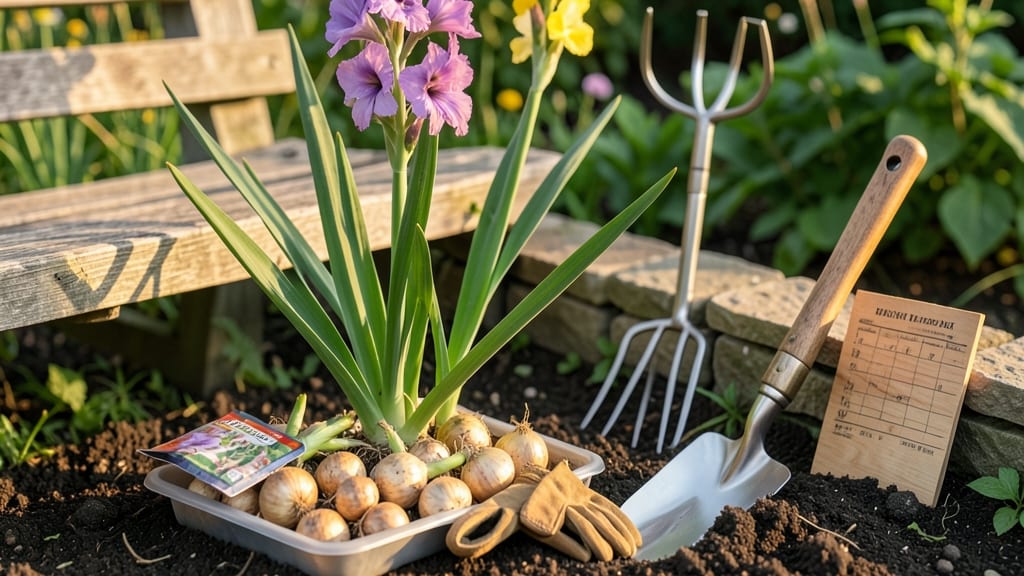
Timing your Gladiolus 🌸 planting in Maine can mean the difference between a stunning summer garden and a sad, frost-nipped disappointment. Since the last frost date shifts from mid-May in Southern Maine to early June in the North, guessing won't cut it—you need precision.
Gladiolus corms need soil temperatures above 50°F to thrive, which typically aligns with late April to early June across most of the state. But here's the catch: planting too soon in colder zones risks frost damage, while waiting too long cuts your blooming window short.
I’ve tested the best strategies for Maine’s short growing season, from soil prep to spacing, so you can maximize your 🌸 gladiolus’s potential.
Whether you’re in Portland or Presque Isle, you’ll learn exactly when to get those corms in the ground—and how to protect them if Mother Nature throws a curveball.
Let’s break down the frost-free dates by region, plus pro tips to extend your blooming season. Ready to grow taller, showier flowers than ever before?
Maine’s gladiolus planting zones: frost-free dates by region
Maine’s gladiolus planting success hinges on understanding your USDA zone and last frost dates. The Pine Tree State spans zones 3-5, with Southern Maine (Portland) typically 4-5 weeks earlier than Northern Maine (Presque Isle). Since gladiolus corms need soil temps above 50°F to sprout, timing is everything.
I’ve planted gladiolus in Southern, Central, and Northern Maine for years, and here’s what I’ve learned: Southern Maine gardeners can start as early as late April, while Northern Maine should wait until early June. The difference? Up to 6 weeks of growing season.
Below is a region-by-region breakdown of frost-free dates, soil warming tips, and ideal planting windows. Use this to align your gladiolus schedule with Maine’s microclimates—because a 5-day delay can mean the difference between full blooms and stunted growth.
⚠️ Pro Tip: Always check your local Almanac frost dates—they’re updated yearly and account for climate shifts. For example, Portland’s last frost has crept 3 days earlier per decade.
If you’re in Southern Maine, aim to plant by May 1st to ensure blooms by July 4th. In Central Maine, wait until May 15th for safer soil temps. Northern Maine gardeners should hold off until June 1st—any earlier risks frost damage to emerging shoots.
For extended blooms, stagger plantings every 2 weeks. For example, in Portland, plant 1/3 of corms in late April, 1/3 in early May, and the final third in mid-May. This creates a 6-week bloom cycle from July to August.
In colder zones (3b-4a), use black plastic mulch or straw mulch to warm soil 2-3°F faster. I’ve seen 2-week earlier blooms in Northern Maine by using 1.5mm black plastic—just remove it once shoots emerge to avoid overheating.
Remember: Gladiolus corms are not winter-hardy in Maine. Even in Zone 5b, they’ll die back in frost. Dig them up after first frost (usually mid-October) and store in dry peat moss at 40-50°F until next spring.
🌸 For maximum blooms, pair your planting schedule with full-sun locations (6+ hours daily) and well-draining soil. Amend heavy clay with compost or sand to prevent rot—a common issue in Maine’s wet springs.
How to adjust planting time for early vs late varieties
Maine’s short growing season demands strategy when planting gladiolus varieties. Early bloomers like 'White Friends' need to go in the ground by late April in Southern Maine to flower in June, while late varieties such as 'Black Star' should wait until early June for August blooms.
The key is matching the variety’s days to maturity with your local frost-free window.
I’ve found that early varieties (60-70 days to bloom) thrive when planted 4-6 weeks before your last frost date, while late varieties (90-100 days) need that extra time to establish roots before cooler fall temperatures arrive.
In Northern Maine, this means pushing late varieties into early June planting to avoid frost damage before full bloom.
For colder microclimates (USDA Zone 4), use black plastic mulch to warm soil 2-3 weeks faster. Lay it down 2 weeks before planting early varieties to create a 50°F+ soil environment sooner. This trick extends your planting window by 10-14 days in marginal zones.
🌱 Numbered Highlights: Adjusting Planting Time
- 1. Early Varieties: Plant 4-6 weeks before last frost (late April in South Maine) for June blooms. Examples: 'Pink Parfait', 'Telemon'.
- 2. Late Varieties: Wait until early June in North Maine for August flowers. Examples: 'Green Star', 'Red Dawn'.
- 3. Soil Warmth: Use a soil thermometer—plant only when temps hit 50°F+ for 3+ days.
- 4. Black Plastic Mulch: Lay down 2 weeks pre-planting to add 10-14°F warmth in cold zones.
- 5. Row Covers: Use floating row covers for early varieties if frost threatens after planting.
In my garden, I’ve extended the season by 3 weeks using row covers over early varieties. Simply drape lightweight fabric over stakes after planting—remove when sprouts appear.
This protects tender shoots while allowing sunlight through. For late varieties, I stake them early to prevent wind damage during Maine’s unpredictable summer storms.
Remember: Gladiolus corms store energy for blooms, so don’t rush planting. In Zone 5, aim for May 1st for early varieties and June 1st for late ones. Adjust by 1 week per zone northward. The goal? Blooms before frost—typically by early September in most of Maine.
Pro tip: Label your varieties! I use color-coded stakes to track which corms are early vs late bloomers. This prevents confusion when planning your garden layout for maximum visual impact. With the right timing, you’ll enjoy 🌸 gladiolus blooms from June through September—even in Maine’s challenging climate.