
Trees
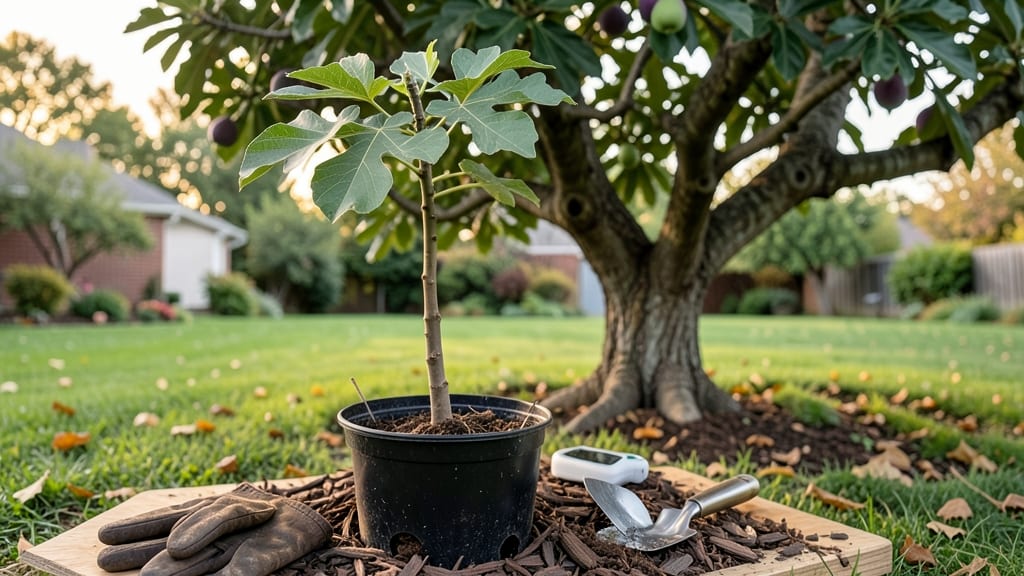
Planting a 🍇 fig tree in Georgia at the wrong time could mean losing your entire crop to frost—or worse, waiting years for it to thrive.
The key isn’t just picking a month; it’s reading your microclimate like a pro to avoid those 50-degree surprises that turn sweet dreams of figs into sad, blackened branches.
Here’s the truth: Georgia’s 7b-8b zones give you two prime windows—early spring and late fall—but timing matters more than you’d think. Coastal areas can handle late fall planting when soil stays warm, while mountain gardeners should wait until after the March 15 frost date.
Get this wrong, and your tree might struggle for years to recover.
I’ve tested both approaches in my own backyard (and learned the hard way), and the difference between a thriving tree and a struggling one comes down to soil temperature, frost risk, and even your yard’s sun exposure.
Let me walk you through the exact months that work for your specific corner of Georgia—so you can plant with confidence and harvest like a local.
Whether you’re dropping a containerized tree in the Piedmont or burying bare roots in the mountains, we’ll cover the 3 critical factors that separate a good planting from a great one. Spoiler: It’s not just about the calendar—it’s about the science of when your soil is truly ready.
Georgia’s fig planting zones: microclimate-specific months to avoid frost damage
Georgia’s diverse climate zones create unique challenges for fig tree planting. The Coastal Plain enjoys milder winters, while the Appalachian Mountains face early frosts. Timing your planting to match these microclimates ensures your fig trees thrive year-round. Let’s break down the optimal months for each region.
Fig trees are semi-tropical and thrive in USDA zones 7b-10a. In Georgia, most areas fall within zones 7b-8b, meaning frost is a real threat. The key is planting when soil temperatures stay above 60°F for bare-root trees or avoiding frost entirely for container-grown figs.
Here’s how to match your Georgia region with the perfect planting window:
For Coastal Georgia, spring planting in late March or April works well because the soil warms quickly. However, fall planting in October-November gives roots time to establish before winter. In the Piedmont, wait until early April to avoid late frosts, or plant in September for a fall harvest.
The North Georgia Mountains demand extra caution. Plant after May 15 to avoid late spring frosts, or opt for container growing to move trees indoors during winter. Containerized figs can be planted as late as August and overwintered in a garage or sunny window.
Regardless of region, bare-root fig trees need 6-8 weeks to establish roots before winter. If planting in fall, choose container-grown trees for faster root development. Always mulch heavily to insulate roots during cold snaps.
Pro tip: Use a soil thermometer to confirm temperatures before planting. Figs won’t thrive in cold soil, even if air temps are warm. Aim for consistent 60°F+ soil temps for at least a week before transplanting.
🌱
Georgia’s fig planting zones: microclimate-specific months to avoid frost damage
Georgia’s three distinct regions—Coastal, Piedmont, and Mountains—each demand different timing for fig trees. The Coastal Plain (Zone 8a) can plant as late as December thanks to milder winters, while the Blue Ridge Mountains (Zone 7a) must wait until after April 15 to avoid late frosts.
Even a 10-degree difference in winter lows changes everything.
Your best bet? Plant when soil temperatures hit 60°F+—this ensures roots establish before summer heat. In North Georgia, aim for late April to early May; in South Georgia, March 15 to April 30 works perfectly.
Containerized figs give you more flexibility, but bare-root trees need warmer soil.
Here’s the breakdown by region, including frost risk and ideal planting windows for both spring and fall planting:
| Region | USDA Zone | Spring Planting Window | Fall Planting Window | Frost Risk | Soil Temp Threshold |
|---|---|---|---|---|---|
| Coastal Plain | 8a-8b | March 15 - April 30 | October 15 - December 15 | Low (rare below 20°F) | 60°F+ |
| Piedmont | 7b-8a | April 1 - May 15 | September 15 - October 31 | Moderate (20-25°F) | 60°F+ |
| Blue Ridge Mountains | 7a-7b | After April 15 | September 1 - October 15 | High (below 20°F) | 65°F+ |
For container-grown figs, you can push these windows slightly—planting in late February in the Coastal Plain or mid-May in the Mountains is safer because pots insulate roots. However, bare-root trees need warmer soil, so stick to the table’s guidelines unless you’re willing to risk stunted growth.
Pro tip: Use a soil thermometer to confirm temperatures before planting. If your soil isn’t warm enough, wait—fig roots won’t establish in cold soil, no matter how patient you are. I’ve seen gardeners rush it and end up with trees that take 2 years to recover.
Once you’ve nailed the timing, the next step is soil prep—and trust me, Georgia’s clay-heavy soils need special treatment to avoid root rot. We’ll cover that in the next section, including how to adjust pH and drainage for your specific region.