
Plants
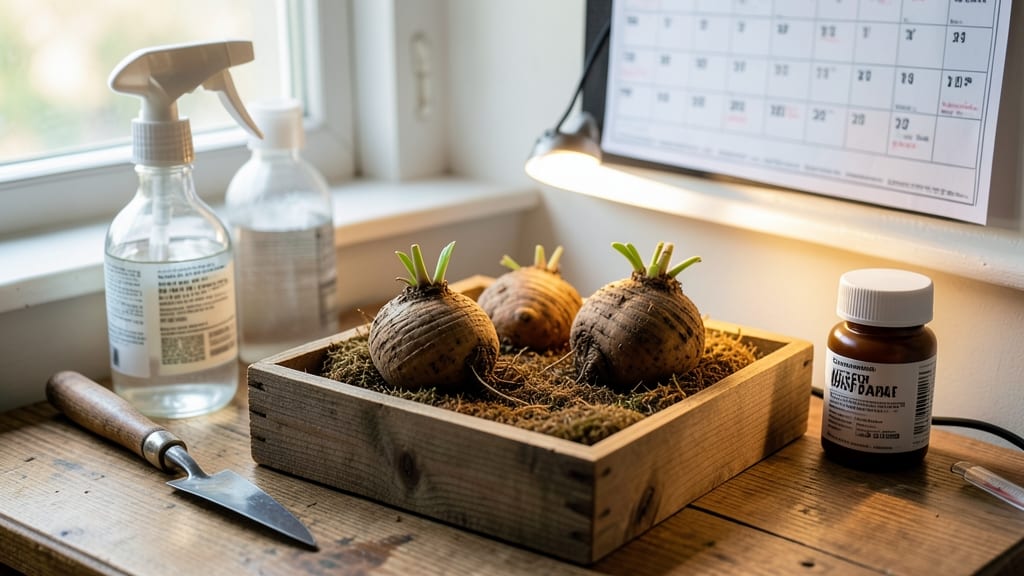
Planting your dahlia bulbs at the wrong time in Massachusetts can mean the difference between a stunning summer display and a sad, frost-nipped disappointment. The key to success isn't just waiting for spring—it's knowing exactly when your hardiness zone (like 5b or 6a) signals it's safe to dig in.
Most gardeners in the Bay State rush to plant too early, only to watch their tender tubers rot in chilly soil. But timing it right—after your last frost (typically around mid-May for most of the state)—gives your dahlias the warm, stable conditions they crave to thrive.
Let's break down the exact window you need to aim for.
What you'll discover here isn't just generic advice—it's a zone-specific roadmap tailored to Massachusetts' unpredictable weather. We'll cover soil temperature thresholds, local microclimates that can shift your planting date by weeks, and even how to stretch your season with simple tricks.
Whether you're a first-time gardener or a seasoned pro, these insights will help you avoid common mistakes and get those vibrant blooms off to the fastest start. Ready to turn your garden into a dahlia paradise? Let's get planting.
Massachusetts dahlia planting dates by hardiness Zone (5a-6b)
Massachusetts gardeners face a tricky balance when planting dahlia tubers—too early and frost zaps your blooms, too late and you miss summer's vibrant displays. The key? Understanding your USDA hardiness zone and local frost patterns.
In Zone 5a (cooler inland areas like the Berkshires), your window is narrower than in Zone 6b (warmer coastal regions like Cape Cod). Let’s break it down so you can time your planting for maximum bloom potential.
Dahlias thrive when soil temperatures hit 60°F or warmer, which typically occurs 2-3 weeks after your last frost date. In Massachusetts, this usually means late April to mid-May, but your exact timeline depends on whether you’re in a cooler valley or a warmer coastal microclimate.
For example, Boston’s Zone 6a gardeners can plant 1-2 weeks earlier than those in Zone 5a areas like Northampton.
Here’s the zone-by-zone breakdown you need to mark your calendar—including soil temperature thresholds and ideal transplant windows for each region. Use this as your guide to avoid frost damage and ensure your dahlias burst into color by July 4th or earlier.
| Zone | Last Frost Date (Avg.) | Soil Warmth Threshold | Ideal Planting Window | Peak Bloom Window |
|---|---|---|---|---|
| 5a (e.g., Berkshires, North Adams) | May 1 - May 10 | 60°F (after May 15) | May 15 - May 31 | July 15 - August 31 |
| 5b (e.g., Worcester, Fitchburg) | April 25 - May 5 | 60°F (after May 1) | May 1 - May 20 | July 1 - August 20 |
| 6a (e.g., Boston, Providence) | April 15 - April 25 | 60°F (after April 20) | April 25 - May 10 | June 20 - August 10 |
| 6b (e.g., Cape Cod, Nantucket) | April 1 - April 15 | 60°F (after April 10) | April 15 - April 30 | June 10 - July 31 |
Notice how Zone 6b gardeners can start 6 weeks earlier than their Zone 5a counterparts? That’s why I always check my local Massachusetts Horticultural Society frost charts before planting.
For example, if you’re in Zone 5b like Worcester, aim to have your dahlia tubers in the ground by May 1—any later and you risk stunted growth.
In warmer microclimates (like urban Boston or coastal areas), you might even squeeze in an early April planting if you use row covers for protection.
Pro tip: Use a soil thermometer to confirm your garden’s warmth. Dahlias won’t sprout until soil hits 60°F, and cooler Zone 5a soils often lag behind Zone 6b by 2-3 weeks.
If your soil is still chilly by mid-May, wait it out—rushing will lead to frost-damaged tubers and missed blooms.
Once you’ve planted, focus on consistent moisture and full sun to push your dahlias into their peak bloom window. In Zone 5a, you’ll see flowers by mid-July, while Zone 6b gardeners can enjoy blooms as early as June 10.
The earlier you plant within your zone’s window, the sooner you’ll get show-stopping dahlias for your summer garden.
Don’t forget: Massachusetts’ first frost typically arrives in mid-October, so
5 Critical factors that determine your dahlia planting success
Massachusetts’ variable spring temperatures can turn your dahlia planting window into a guessing game. While last frost dates are your baseline, these 5 critical factors often shift your ideal planting time by weeks—even in the same zone. Ignore them, and you risk stunted growth or frost damage.
First, soil temperature matters more than air temperature. Dahlias won’t thrive until the soil reaches 60°F (15°C) at least 6 inches deep. In Zone 5a, this can mean waiting until late May—not April—as cooler soils delay root establishment. Use a soil thermometer to check.
Next, nighttime temperatures play a hidden role. If nights dip below 50°F (10°C) after planting, your tubers may struggle to sprout. In western MA (Zone 6a), this often pushes planting to mid-May even if frost risk is low. Monitor your local extended forecast for 3+ consecutive nights above 50°F.
Don’t overlook microclimates—your neighbor’s perfect timing might fail in your garden. South-facing slopes warm faster, letting you plant 2 weeks earlier than flat areas. Conversely, low-lying spots stay cold longer, requiring a 3-week delay. Observe where last year’s peonies bloomed earliest for clues.
Chilling requirements are another game-changer. Most dahlia tubers need 6-8 weeks of 40-50°F (4-10°C) soil temps to break dormancy. In cooler Zone 5a, this means storing tubers indoors until March 15, then pre-sprouting them in pots before transplanting. Skip this, and you’ll get weak, leggy stems with fewer blooms.
Finally, local rainfall patterns can extend or shrink your window. Wet springs in eastern MA delay planting until soil dries enough to work. Use a moisture meter—if soil stays soggy past May 1, wait for it to dry to 40% moisture before planting to avoid rot-prone conditions.
🌱 Critical Factor Checklist
- Soil temp: Wait until 60°F+ 6" deep (use thermometer)
- Night temps: 3+ nights above 50°F after planting
- Microclimate: South slopes = earlier; low spots = delay
- Chilling: Pre-sprout tubers if stored after March 15
- Rainfall: Plant only when soil is 40% moisture or drier
Pro tip: Combine these factors with your local agricultural extension service data. For example, UMass Amherst’s frost charts show Zone 6a averages, but your specific town’s last frost might differ by 10 days. Layer these insights for foolproof timing.