
Plants
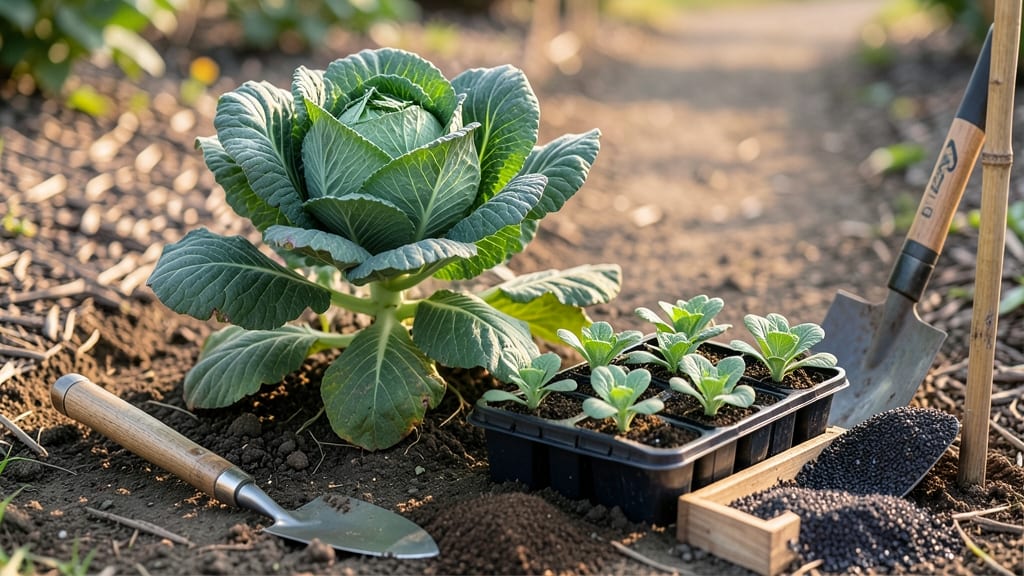
Planting cabbage in Arkansas at the wrong time can mean the difference between a bountiful harvest and a sad, wilted mess. The key is timing—get it right, and you'll enjoy crisp, sweet 🥬 all season long; get it wrong, and you're left with bitter leaves or bolted plants.
Arkansas gardeners in zones 7a-8a have two prime windows: early spring and late summer. But with our unpredictable weather, knowing exactly when to plant is everything. Too early, and frost zaps your seedlings; too late, and summer heat turns your cabbage into a sad, loose head.
I've tested the best planting schedules for Arkansas' climate, and the results are game-changing. Whether you're a seasoned gardener or just starting, these frost-free strategies will help you grow cabbage that's perfect for stir-fries, salads, or fermenting.
Ready to master Arkansas cabbage planting? Let's dive into the exact dates, soil prep tips, and variety recommendations that actually work in our heat zones. Your garden will thank you!
Arkansas cabbage planting calendar by heat zone 8A/b
Arkansas gardeners face a delicate balance when planting cabbage—the state's Heat Zones 8A/B mean frost dates can vary by weeks. In Zone 8A (average last frost: March 15), you have a slightly longer window than Zone 8B (last frost: March 22).
Both zones share the same first frost date: November 15, but microclimates in Arkansas's humid subtropical climate demand precise timing to avoid bolting or frost damage.
For spring cabbage, transplant seedlings 4-6 weeks before your zone's last frost date. This means Zone 8A gardeners should plant by February 15-22, while Zone 8B can wait until February 22-March 1. Soil temperatures must reach 40°F (4°C) for successful germination—critical in Arkansas's unpredictable early springs.
Fall cabbage presents a different challenge. Plant August 15-September 15 across both zones to ensure heads mature before first frost. Arkansas's summer heat (often exceeding 90°F/32°C) makes late-summer planting risky—seedlings need shade cloth or afternoon protection during establishment.
Here’s your Arkansas cabbage planting calendar broken down by zone, including soil temp thresholds and transplant windows:
| Zone | Season | Planting Window | Soil Temp | Key Notes |
|---|---|---|---|---|
| 8A | Spring | Feb 15–Mar 1 | 40–50°F (4–10°C) | Use row covers for late frosts |
| 8A | Fall | Aug 15–Sep 1 | 50–60°F (10–15°C) | Provide afternoon shade in August |
| 8B | Spring | Feb 22–Mar 8 | 40–50°F (4–10°C) | Avoid waterlogged soil in spring |
| 8B | Fall | Aug 22–Sep 15 | 50–60°F (10–15°C) | Harvest before October 15 for best flavor |
Arkansas’s humidity and heat create unique challenges. For spring plantings, I recommend starting seeds indoors 6-8 weeks before transplanting to give seedlings a head start. Use black plastic mulch to warm soil faster in Zone 8A, where nights can still dip below freezing in early March.
In fall, focus on heat-tolerant varieties like ‘Golden Acre’ or ‘Cavalo’ to handle Arkansas’s 90°F+ August temperatures. Space plants 18–24 inches apart to improve airflow and reduce disease risk from the state’s high humidity.
Drip irrigation is my top recommendation—it delivers consistent moisture without wetting foliage, which is critical in Arkansas’s fungus-prone climate.
Pro tip: Monitor your local Arkansas Cooperative Extension Service frost reports for real-time adjustments. In Zone 8A, I’ve seen last frosts as late as April 5 in some years, while Zone 8B can occasionally escape frost until April 15.
Always err on the side of planting later rather than risking frost damage to young seedlings.
For fall harvests, aim to have heads ready by October 15. This gives you 6 weeks before the first frost to enjoy fresh cabbage.
If you’re growing late-season varieties, consider using floating row covers to extend your harvest window into early November—just remove them during the day to prevent overheating.
Remember, Arkansas’s climate variability means your exact dates may shift yearly. Keep a gardening journal to track what works best in your specific microclimate—whether it’s a northern Arkansas valley or a
How to extend Arkansas cabbage season with succession planting
Arkansas’ short growing season makes succession planting your secret weapon for a continuous cabbage harvest. By staggering plantings every 2-3 weeks, you can enjoy fresh heads from spring through fall. The key is balancing cold-hardy varieties with heat-tolerant types to outsmart Arkansas’ unpredictable weather swings.
Start with cold-hardy varieties like ‘Wisconsin Winter’ for early spring plantings, then transition to heat-tolerant types like ‘Golden Acre’ as temperatures rise. This strategy ensures you’re always harvesting at the peak of flavor while avoiding the bitter taste that comes with summer heat stress.
-
Step 1: Plan Your Planting Schedule
Start your first planting 4-6 weeks before your last frost date (typically mid-March in Arkansas). Then, plant every 2-3 weeks until early June for a spring harvest.
-
Step 2: Choose Heat-Tolerant Varieties
Switch to heat-tolerant varieties like ‘Cavalo’ or ‘Surprize’ for summer plantings. These handle Arkansas’ humidity better and resist bolting in 80°F+ temperatures.
-
Step 3: Use Row Covers for Early/Fall Plantings
Extend your season by 3-4 weeks with lightweight row covers. Use them to protect seedlings from late spring frosts or to harden off fall plants before the first frost in November.
-
Step 4: Direct Sow for Fall Successions
For fall harvests, direct sow seeds August 15-September 15. Choose fast-maturing varieties (50-60 days) to finish before winter sets in. Thin seedlings to 12-18 inches apart for optimal head development.
-
Step 5: Harvest Strategically
Harvest outer leaves first to encourage continued growth. For full heads, cut with a sharp knife 1 inch above the base. Leave the outer leaves to protect new growth for another harvest in 2-3 weeks.
Don’t forget to rotate planting locations each season to prevent soil-borne diseases like clubroot or black rot, which thrive in Arkansas’ humid climate. I’ve found that adding composted manure before planting boosts soil fertility and helps cabbage withstand stress.
With this succession planting strategy, you’ll enjoy homegrown cabbage from May through November, beating Arkansas’ short growing season. Just remember: consistency is key—stick to your 2-3 week intervals, and you’ll never run out of fresh cabbage for stir-fries, coleslaw, or fermenting! 🥬