
Plants
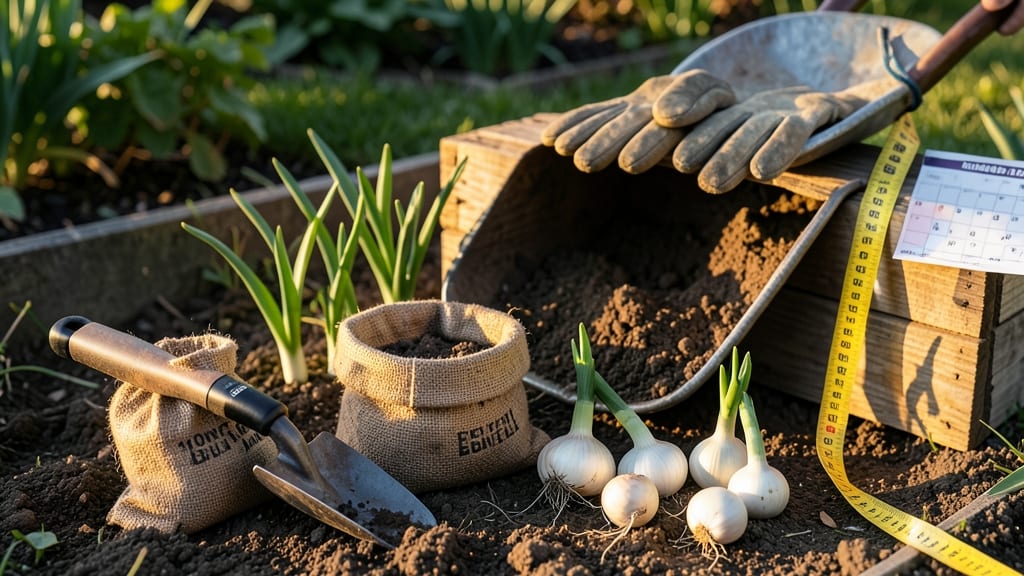
Planting Spring Bulbs (Tulips, Daffodils, Hyacinths, etc.) at the wrong time in Kansas can mean the difference between a vibrant spring garden and a missed opportunity.
The ideal window opens in early fall, but knowing exactly when to plant ensures your 🌷 blooms survive winter and reward you with color in April.
Most Kansas gardeners in zones 5b-7a should aim to get bulbs in the ground between mid-October and early November. This timing gives roots time to establish before the ground freezes, while still avoiding the heat stress of late summer planting.
But what if your October is unusually warm or your November brings early frost?
Don't worry—we'll break down how to adjust for Kansas' unpredictable weather, from soil temperature checks to backup planting dates. You'll also discover which bulbs handle our climate best and how to protect them through winter. Let's make sure your garden gets the showstopping blooms it deserves.
The key is understanding your specific zone's frost dates and soil conditions. With the right approach, you can plant with confidence and enjoy a garden that bursts into color year after year. Ready to learn the exact steps that work for Kansas?
Kansas planting months by hardiness Zone: exact dates for zero-frost survival
Kansas gardeners know timing is everything for spring-blooming bulbs like tulips and daffodils. The USDA Zones 5b-7a across the state mean your first frost date can vary from mid-October in Wichita to late October in Kansas City.
Planting too early risks rot from warm soil, while late planting may leave bulbs vulnerable to winter freezes before roots establish.
For zero-frost survival, aim to plant bulbs 6-8 weeks before ground freezes. In most of Kansas, this means mid-October to early November. However, Zone 7a (southern Kansas) may extend this window until mid-November, while Zone 5b (northern Kansas) should wrap up by late October.
Soil temperature is your best guide: bulbs should go into 40-50°F soil. Use a soil thermometer to check—if temps drop below 40°F, it’s time to plant. In Kansas, this typically aligns with late October for most regions, but early cold snaps can push this earlier.
Here’s how Kansas City, Wichita, and Topeka compare for bulb planting:
| City | USDA Zone | Ideal Planting Window | Soil Temp Threshold | First Frost Date |
|---|---|---|---|---|
| Kansas City | 6b | Mid-October to early November | 45-50°F | October 15 |
| Wichita | 7a | Late October to mid-November | 40-45°F | October 20 |
| Topeka | 5b | Late September to late October | 45-50°F | October 10 |
Pro tip: If you miss the primary planting window, you can still plant bulbs in early December—just add 3-4 inches of mulch to insulate them. However, tulips planted this late may bloom later or produce fewer flowers.
For spring-planted bulbs like caladiums or cannas, wait until after the last frost (typically mid-April in Kansas). These bulbs need warm soil to sprout, so don’t rush—wait until soil temps hit 60°F.
Remember: Daffodils and crocuses are the most frost-tolerant bulbs in Kansas. They can handle planting into November if soil temps stay above freezing. Tulips, on the other hand, prefer earlier planting (September-October) to avoid winter heaving.
Always plant bulbs 3x deeper than their height—this protects them from temperature swings and rodent damage. For example, a 2-inch-tall tulip bulb should go 6 inches deep.
Use a bulb planter or trowel to dig holes, then mix in compost or bone meal for extra nutrients. Water thoroughly after planting to settle the soil and encourage root growth before winter sets in.
🌱
How to adjust planting timing for Kansas’ unpredictable weather patterns
Kansas weather can be as unpredictable as a whirlwind, with sudden freezes in October or unseasonably warm Novembers. If your October temperatures stay above 60°F, bulbs planted too early may sprout prematurely and get fried by winter.
Conversely, an early November frost can trap bulbs still struggling to root. The key is flexibility—adjust your planting window based on soil temperature and frost forecasts.
Start by checking soil temps with a thermometer or your finger. Bulbs need 60°F soil for 2 weeks to root properly. If your soil is still warm in late October, wait until early November.
For colder zones (like Zone 5b), you might need to plant by mid-October to avoid early freezes. Use local National Weather Service alerts or Kansas State University’s frost maps to guide your timing.
A 3-4 week backup window is your safety net. If you miss the ideal October slot, plant in early November—just ensure bulbs are in the ground 4-6 weeks before the first hard frost.
For example, in Wichita (Zone 7a), this could mean planting until November 15, while Topeka (Zone 6a) might need bulbs in by November 1.
⚠️ Watch for These Red Flags
Late Planting? If you’re still planting in December, your bulbs may not bloom well—or at all. Prioritize daffodils and crocuses, which handle colder soils better than tulips.
Early Sprouting? If shoots appear in fall, mulch heavily (4-6 inches) to insulate roots. Avoid mulching too early—wait until after planting.
Drought Stress? Water deeply after planting to encourage root growth, but avoid soggy soil. Bulbs rot if overwatered in cold, wet conditions.
For microclimates (like urban heat islands or windy plains), adjust timing by 1-2 weeks. Urban areas stay warmer longer, so plant later. Windy regions may need earlier planting to protect tender shoots. Test your spot: If it’s 5°F warmer than average, delay planting by 7-10 days.
Pro tip: Chill bulbs for 6-8 weeks before planting if your fall is abnormally warm. Store them in a cool, dark garage (40-50°F) to simulate winter. This trick works wonders for tulips and hyacinths, which need cold stratification to bloom reliably.
Remember, no blooms this spring doesn’t mean failure—it means next year’s garden will be even more spectacular. With these adjustments, your bulbs will thrive through Kansas winters and reward you with vibrant, healthy blooms come April. 🌱