
Plants
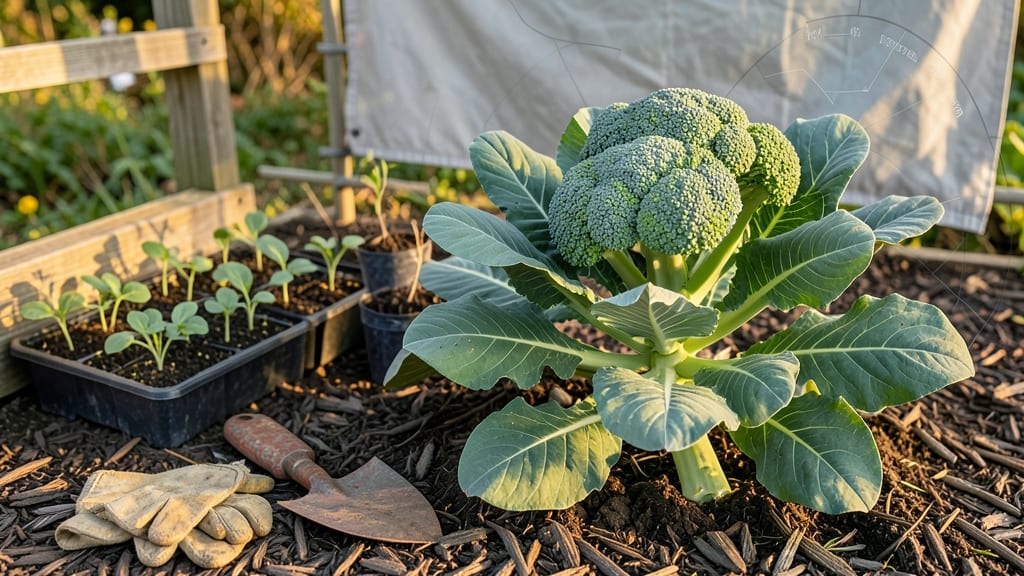
Planting broccoli in Zone 9 might seem tricky—after all, this cool-weather 🥦 loves temperatures below 75°F, but your desert or coastal climate doesn’t always cooperate. The secret to a thriving harvest lies in knowing exactly when to plant, whether you’re in Phoenix’s heat or Southern California’s milder winters.
Timing is everything: too early, and your broccoli bolts in the summer heat; too late, and you miss the sweet spot for winter harvests.
I’ve grown broccoli in Zone 9 for years, and the difference between a bountiful crop and a flop comes down to two key windows—fall and winter—with coastal vs. inland adjustments that can shift your schedule by weeks.
In this guide, I’ll break down the exact months to plant for your specific microclimate, plus pro tips to beat the heat and keep your broccoli happy until harvest.
Whether you’re a first-time gardener or a seasoned green thumb, these insights will help you grow broccoli that’s healthier, bigger, and ready to pick at the perfect time.
Ready to turn your backyard into a broccoli powerhouse? Let’s dive into the planting calendar that actually works for Zone 9—no guesswork, just results.
Optimal broccoli planting calendar for Zone 9: coastal vs inland differences
Broccoli loves cool weather, but Zone 9’s climate throws a curveball with its mild winters and intense summers. Coastal areas like San Diego enjoy cooler microclimates, while inland spots like Phoenix face hotter temperatures that can stress young plants.
The key? Timing your plantings to avoid heat stress and bolting—both coastal and inland gardeners need different strategies to succeed.
For coastal Zone 9, where winters rarely dip below 50°F, your planting window stretches longer. Inland areas, however, must work around soil temperature thresholds and summer heat that can scorch seedlings. Let’s break down the exact months, soil prep tips, and microclimate adjustments to maximize your harvest.
| Factor | Coastal Zone 9 | Inland Zone 9 |
|---|---|---|
| Fall Planting Window | September 15 - November 1 | October 1 - October 31 |
| Spring Planting Window | February 15 - March 15 | February 1 - February 15 |
| Ideal Soil Temperature | 55-70°F | 50-65°F |
| Heat Stress Risk | Low (cooler nights) | High (summer heat) |
| Bolting Threshold | 75°F+ for 3+ days | 70°F+ for 2+ days |
| Microclimate Tip | Use shade cloth in late spring | Plant near water features |
If you’re in a coastal Zone 9 garden, you’ve got more flexibility. Start seeds indoors in late August for a September 15 transplant—this gives your broccoli time to establish roots before winter.
For direct sowing, aim for mid-September to early November. The cooler ocean breezes help prevent bolting, so you can even push it to early December if your winter stays mild.
Inland gardeners, however, must act faster. Soil temperatures above 70°F can stunt seedlings, so focus on October plantings for a winter harvest. Use shade cloth if you plant in late September to protect young plants from afternoon heat.
For spring, February is your last chance—any later, and the rising temperatures will trigger bolting before heads form.
Both coastal and inland growers should test soil temperature before planting. Use a soil thermometer to confirm it’s between 55-70°F. If it’s warmer, wait or use row covers to cool the soil. Well-draining soil is a must—broccoli hates soggy roots, especially in Zone 9’s occasional winter rains.
Amend your soil with compost and a balanced fertilizer (like 5-10-10) to give plants a nutrient boost.
For coastal areas, succession planting works well. Sow new seeds every 2 weeks from September through November to stagger your harvest. Inland gardeners should prioritize heat-tolerant varieties like 'De Cicco' or 'Waltham 29', which handle warmer soils better than standard types.
Always mulch heavily to retain moisture and regulate soil temperature—critical in Zone 9’s dry climate.
Watch for bolting signs like tall, skinny stems or yellowing leaves. If you see this, harvest immediately or pull the plant—bolted broccoli won’t produce quality heads. Coastal gardeners can often salvage a crop by planting shade-tolerant varieties under 30% shade cloth in late spring.
Inland growers should avoid summer plantings entirely—broccoli won’t survive the heat.
Timing your harvest is just as critical as planting. Coastal broccoli planted in fall will be ready by December to
Optimal broccoli planting calendar for Zone 9: coastal vs inland differences
Zone 9’s microclimates create dramatic differences in broccoli planting success. Coastal areas like San Diego enjoy milder winters, while inland spots like Phoenix face intense summer heat. Timing your fall planting just right ensures your broccoli matures before heat stress or bolting ruins your crop.
For coastal Zone 9, aim to plant transplants or seeds between late September and early November. The ocean breeze keeps temperatures cooler, giving your broccoli 60-80 days to mature before summer heat arrives. Inland areas should push planting to October 15-November 15 to avoid early heat exposure.
Spring planting is trickier in Zone 9. Coastal gardeners can attempt February-March plantings, but expect slower growth due to cooler soils. Inland gardeners should skip spring entirely—broccoli hates summer heat and will bolt quickly if planted after March 15.
🌱 Zone 9 Broccoli Planting Comparison
| Region Type | Best Planting Window | Soil Temp Threshold | Harvest Window | Key Risk |
|---|---|---|---|---|
| Coastal (e.g., San Diego, Santa Barbara) | Late Sept - Early Nov | 55-65°F (13-18°C) | Dec - April | Fungal diseases from humidity |
| Inland (e.g., Phoenix, Riverside) | Oct 15 - Nov 15 | 60-70°F (16-21°C) | Jan - March | Heat bolting after March |
Pro tip: Use a soil thermometer to confirm soil temps are below 75°F before planting. Broccoli roots struggle to establish in warmer soils, leading to stunted growth.
Coastal gardeners can push transplants slightly later (up to mid-November) thanks to ocean breezes, but inland areas must stop by November 15.
For successive harvests, stagger plantings every 2-3 weeks between September and November. This ensures a continuous supply while avoiding the April heat wave that triggers bolting. Inland gardeners should prioritize fall plantings—spring attempts rarely succeed without shade cloth.
Remember: Zone 9’s first frost is rare but possible in inland valleys by December 1. Coastal areas rarely see frost, but temperature drops below 30°F can damage young plants. Use row covers if frost warnings appear during your harvest window.