
Plants
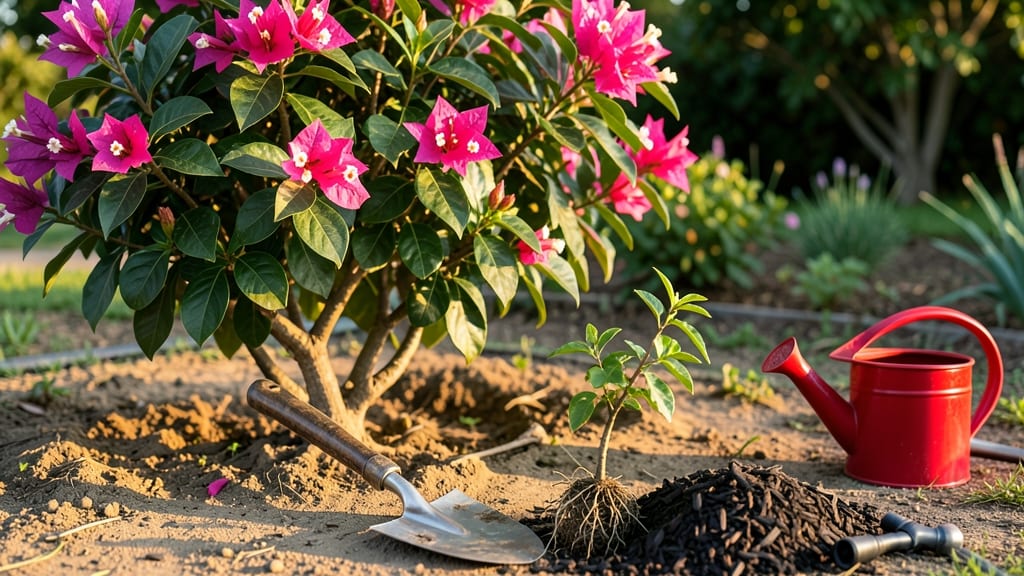
Planting bougainvillea 🌺 at the wrong time in Arizona can mean the difference between a lush, flowering vine and a struggling plant that never blooms. The key isn’t just picking a month—it’s understanding how the desert’s unique seasons shape your bougainvillea’s growth cycle.
With 365 frost-free days and intense summer heat, Arizona gardeners have a narrow window to plant bougainvillea successfully. The ideal months—November through March—align with cooler temperatures and monsoon recovery, giving young plants the best chance to establish roots before summer’s brutal sun.
But timing isn’t the only factor. Whether you’re planting in Phoenix’s urban heat islands or Flagstaff’s cooler microclimates, soil prep and post-planting care make all the difference. I’ll show you how to avoid common mistakes that kill bougainvillea in desert conditions—so you can enjoy those vibrant blooms year-round.
Ready to transform your yard into a bougainvillea paradise? Let’s dive into the exact steps to plant, nurture, and protect your vine for maximum desert blooms—without the guesswork.
Best planting windows for bougainvillea in Arizona’s climate zones
Arizona’s diverse microclimates mean planting times vary from Phoenix’s scorching lowlands to Flagstaff’s cooler high desert. Bougainvillea thrives in USDA Zone 9b, but timing depends on your elevation and local heat patterns.
Plant too early, and young roots struggle with summer’s intensity; too late, and winter dormancy sets in before establishment.
For Phoenix and Tucson (low desert), aim for November through March—cooler months when temperatures stay between 50°F and 75°F. In Flagstaff or Prescott (high desert), extend your window until late April due to cooler nights.
Container growing offers flexibility, but in-ground plants need well-draining soil to prevent root rot.
Heat acclimation is key for young plants. Start with morning sun exposure and gradually increase to full sun over 2-3 weeks. Skip spring planting—April’s heat can shock tender roots before they establish. Even October plantings risk monsoon downpours overwhelming shallow roots.
| Zone/Location | Best Planting Window | Soil Prep Tip | Heat Acclimation |
|---|---|---|---|
| Phoenix/Tucson (Low Desert) | November 15 – March 15 | Mix cactus soil with perlite (60/40) | 2 weeks gradual sun exposure |
| Flagstaff/Prescott (High Desert) | November 1 – April 30 | Add compost for cooler soils | 1 week gradual sun exposure |
| Container Anywhere | October 15 – March 31 | Use terracotta pots with drainage holes | Move to shade cloth for first week |
For container-grown bougainvillea, you can push boundaries slightly—planting as late as mid-April works if you use 5-gallon pots with fast-draining mix. However, in-ground plants need 6-8 weeks of cooler temps to establish roots before summer’s 110°F+ soil becomes lethal.
Test your soil’s drainage before planting: dig a 12-inch hole, fill with water, and time how long it takes to drain. If it holds water past 30 minutes, amend with gravel or sand. Bougainvillea’s roots hate soggy feet—this is Arizona’s #1 planting killer.
Pro tip: Prune back container plants by ⅓ before planting to reduce transplant shock. For in-ground plantings, mulch heavily (3-4 inches of gravel or bark) to insulate roots from summer’s extreme heat fluctuations. This mimics their native Brazilian habitat where roots stay cool.
Watch for monsoon season (July-September)—while it’s great for established plants, new roots can’t handle sudden downpours. If planting in late September, choose a sheltered location or use drip irrigation to keep soil consistently moist without waterlogging.
In Flagstaff’s cooler climate, you can even plant bare-root bougainvillea as late as May, but expect slower initial growth. The trade-off? Longer bloom seasons since cooler nights reduce stress. For Phoenix gardeners, winter planting (December-February) ensures spring blooms just as desert temperatures rise.
Remember: bougainvillea’s blooms respond to stress. Planting at the wrong time triggers dormancy instead of growth. Aim for 60-75 days of consistent temps below 85°F before summer’s peak to give your plant the best start.
How to time bougainvillea planting for maximum desert blooms
Arizona’s monsoon season and temperature swings create unique opportunities—and challenges—for bougainvillea planting. The key is aligning your schedule with the plant’s natural growth cycles and the desert’s water availability. Unlike temperate climates, bougainvillea in Arizona can bloom year-round if planted and cared for strategically.
Most gardeners focus on fall and winter planting (November–March), but timing isn’t just about the calendar—it’s about temperature thresholds. Bougainvillea thrives when daytime highs stay below 90°F and nights dip below 60°F.
Planting too early in spring risks heat stress, while late fall plantings may struggle with cooler temperatures if not hardened off properly.
Here’s how to sync your planting with Arizona’s monsoon rhythms and bloom triggers for maximum impact:
- 📅 Plant after monsoons (late September–October) to capitalize on natural rainfall and avoid summer drought stress.
- ❄️ Avoid frost risk by planting no earlier than November 15 in most Arizona zones (USDA 9b+).
- ☀️ Acclimate young plants gradually to desert sun over 2–3 weeks before full exposure.
- 🌱 Prune lightly at planting to remove damaged roots and encourage root establishment.
- 💧 Water deeply at planting (1–2 gallons) to settle soil and prevent air pockets.
- 🌿 Use mulch (2–3 inches) to retain moisture and regulate soil temp.
- 📆 Plan for blooms: Spring plantings (March) may bloom by summer, while fall plantings (November) often reward you with winter blooms.
One of my favorite tricks is to override seasonal dormancy by planting in late winter (February). Bougainvillea naturally slows growth in Arizona’s summer heat, but a well-timed late-winter planting can push blooms into spring and early summer—just as the desert transitions from monsoons to dry season.
Just be prepared to reduce watering as temperatures rise.
For container growing, timing is even more critical. Potted bougainvillea heats up faster and dries out quicker, so I recommend planting no later than early March to avoid root-bound stress during peak summer.
Use fast-draining mixes with perlite or cactus soil to prevent root rot, and move containers to shadier spots during 110°F+ days.
Remember, bougainvillea’s blooms are triggered by stress—specifically, water deprivation and temperature shifts. By planting at the right time, you’re setting up your plant to thrive in Arizona’s extremes and reward you with bold, continuous color that most desert plants can’t match.
Start with the right timing, and the rest is just pruning and patience.