
Plants
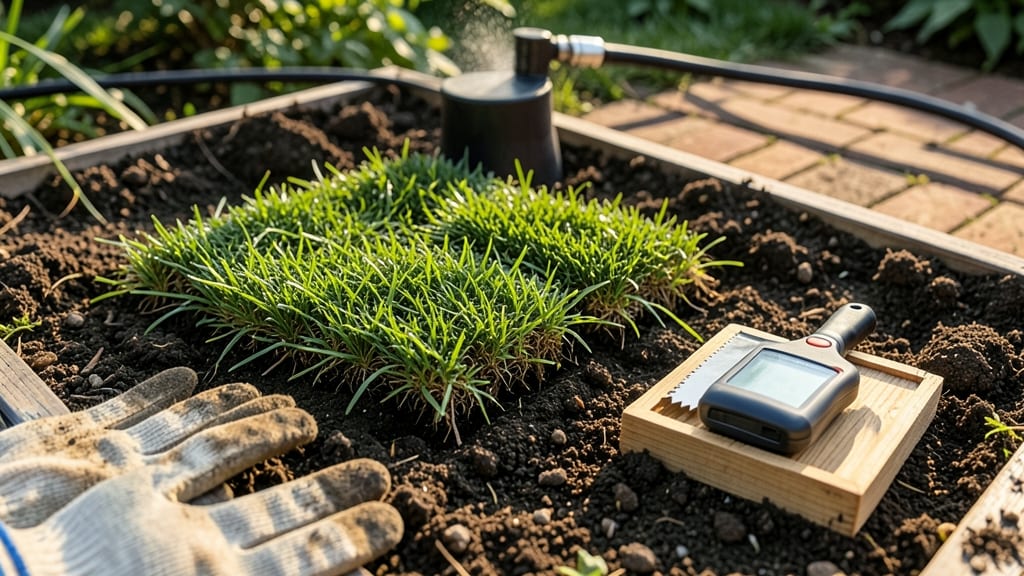
Planting Bermuda grass 🌱 at the wrong time in Florida can turn your dream of a thick, green lawn into a frustrating wait. The difference between fast establishment and a slow, patchy lawn often comes down to those few weeks you choose to plant.
Florida’s warm climate means Bermuda grass thrives in summer, but timing still matters—plant too early, and you risk weak growth from lingering cool spells. Too late, and you’ll battle drought stress as temperatures soar.
The ideal window? Late spring to early summer, when soil temperatures hit that sweet spot of 65°F or warmer.
I’ve helped Florida homeowners transform bare spots into lush lawns by following these exact planting windows. Whether you’re starting from seed or laying sod, the right timing means your grass will take off in just 3-4 weeks instead of months.
Let’s break down the best months for your region—North, Central, or South Florida—and how to prep your soil for maximum success. Your perfect lawn starts with the right schedule.
Optimal months to plant Bermuda grass in Florida (by region)
Florida’s climate varies dramatically from North to South, and your planting window for Bermuda grass should match your region. The key is waiting until soil temperatures hit 65°F (18°C)—any earlier, and your grass struggles to germinate or establish roots.
In North Florida (USDA Zones 8a-8b), like Jacksonville or Gainesville, the safest window is mid-April to early June. Early April plantings risk cool soil temperatures and slow growth, while late June can mean heat stress during establishment.
For Central Florida (Zone 9a), including Orlando and Tampa, aim for late April to mid-June. This area’s warmer nights allow faster germination, but avoid planting after June 15—summer droughts can dry out new seedlings before they take hold.
| Region | Best Planting Window | Soil Temp Threshold | Key Risk |
|---|---|---|---|
| North Florida | Mid-April to Early June | 65°F+ (18°C+) | Cool soil delays growth |
| Central Florida | Late April to Mid-June | 68°F+ (20°C+) | Late-season drought |
| South Florida | Early May to Late June | 70°F+ (21°C+) | Hurricane season |
In South Florida (Zones 10a-11), like Miami or Fort Lauderdale, the window shifts slightly later: early May to late June. The biggest challenge here isn’t cold but hurricane season, which peaks in September—planting too late leaves your lawn vulnerable.
Pro tip: Use a soil thermometer to confirm temperatures before planting. Bury it 2 inches deep in full sun for the most accurate reading. If temps dip below 65°F, wait at least 7-10 days for consistent warmth.
For overseeding existing Bermuda grass (common in fall), the window is late August to early September—just before summer’s end. This lets new seedlings establish before winter dormancy sets in.
Remember, Bermuda grass is heat-loving but cold-sensitive. Planting too early in cooler months means slower growth, while late plantings may struggle with Florida’s intense summer sun and dry spells.
If you miss the ideal window, don’t panic—late June plantings can still work with extra watering and shade cloth during the hottest afternoons. Just be prepared for a slightly longer establishment period.
Timing isn’t everything, but in Florida’s climate, it’s 80% of your success. Get it right, and you’ll have a lawn that crowds out weeds and stays green year-round. 🌱
How to prepare your soil and lawn for Bermuda grass planting
Preparing your soil is the secret to fast Bermuda grass establishment in Florida. Skipping this step means slower growth, weed competition, and even failed plantings. Start by testing your soil’s pH and nutrient levels—Bermuda grass thrives in slightly acidic to neutral soil, ideally between 6.0 and 7.0.
Use a soil test kit (available at garden centers) or send a sample to your local University of Florida Extension office. If your soil is too acidic (below 6.0), add pelletized lime 2-3 months before planting.
For alkaline soil (above 7.0), incorporate sulfur or peat moss to lower the pH gradually.
- 🔍 Test soil pH (aim for 6.0–7.0)
- 🌱 Add compost (2–3 inches) for organic matter
- ✂️ Mow existing grass to 1–1.5 inches if overseeding
- 💧 Water deeply 24 hours before planting
- 🌿 Remove weeds with glyphosate (if needed)
Next, clear the area of weeds, rocks, and debris. Bermuda grass spreads aggressively, so competition from weeds will stunt its growth. For stubborn weeds, apply a non-residual herbicide like glyphosate 1–2 weeks before planting. Avoid pre-emergent herbicides—they’ll kill your new grass too.
Loosen the top 4–6 inches of soil with a garden rake or tiller to improve aeration and root penetration. If your soil is sandy or compacted, mix in compost or aged manure to boost fertility.
Bermuda grass loves nutrients, so don’t skimp on organic matter—this fuels rapid root development in those critical first 30 days.
Apply a starter fertilizer with high phosphorus (e.g., 10-20-10 or 5-10-5) 1–2 weeks before planting. This jumpstarts root growth. For new lawns, use 1 lb of nitrogen per 100 sq ft at planting, then again 6 weeks later.
Over-fertilizing now can burn seedlings, so follow the label rates precisely.
Finally, level the soil with a rake to create a smooth, even surface. Bermuda grass grows best on flat ground—low spots can collect water and suffocate roots, while high spots dry out too quickly.
After planting, keep the soil consistently moist (not soggy) for the first 2 weeks to encourage germination.
With the right prep, your Bermuda grass will establish in 3–4 weeks instead of months. The key is healthy soil + proper timing—two factors that work together to give you that thick, weed-free lawn. 🌱