
Plants
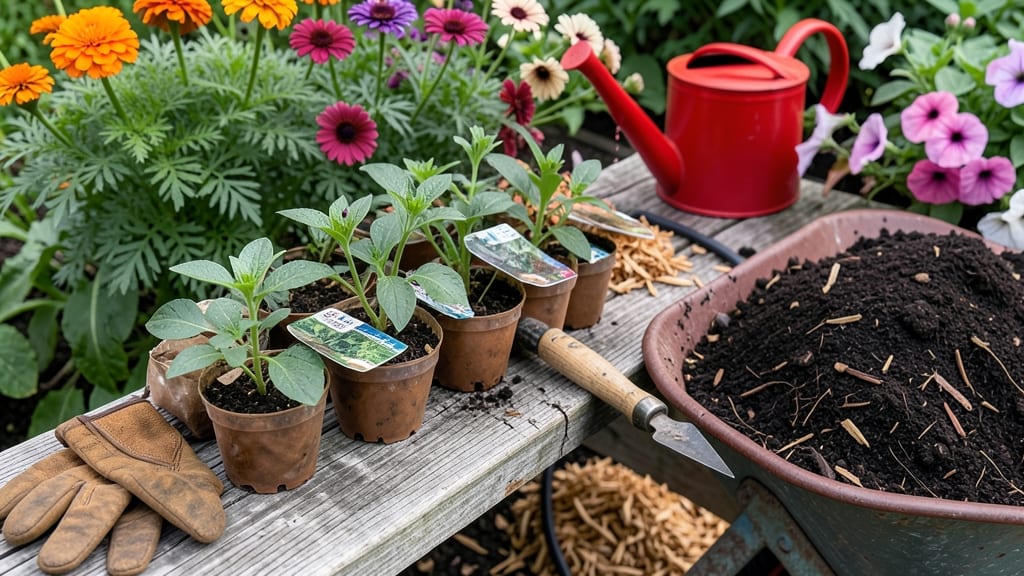
Planting annuals 🌸 in Missouri can feel like playing a high-stakes game of timing—get it wrong, and your vibrant garden dreams turn to frost-killed disappointment. The key to success lies in knowing when to plant, whether you're dreaming of summer-blooming zinnias or fall-blooming cosmos.
Missouri's climate zones (5b-7a) mean frost dates vary dramatically, from mid-April in St. Louis to earlier in northern areas. Waiting until after the last frost is crucial, but rushing can leave your plants vulnerable to unpredictable late freezes that hit even in May.
In this guide, I'll break down the exact planting windows for spring and fall, including heat-tolerant picks like marigolds versus frost-sensitive favorites. You'll learn how to time your transplants perfectly and avoid common mistakes that wreck gardens every year.
With the right strategy, you can enjoy nonstop blooms from June through October—no more guessing when to plant. Let's get your Missouri garden thriving with confidence.
Missouri’s frost dates by region: exact spring planting windows for annuals
Missouri’s three distinct climate zones mean your last frost date could vary by up to 3 weeks depending on where you live. Northern Missouri’s Zone 5b gardeners face later springs, while southern Zone 7a areas can plant earlier. Understanding these regional windows ensures your heat-loving zinnias and frost-sensitive impatiens thrive.
For northern Missouri (e.g., St. Joseph, Kirksville), the average last frost date hovers around April 25. Central regions like Columbia or Jefferson City typically see their last freeze by April 15, while southern Missouri (Springfield, Poplar Bluff) can safely plant by April 1.
These dates aren’t set in stone—late frosts can occur until May 10 in northern areas.
Your planting strategy depends on whether your annuals are heat-tolerant or frost-sensitive. Marigolds and zinnias can handle warm soil temperatures and can be planted 1-2 weeks before the last frost date. Meanwhile, impatiens and petunias need consistent warmth and should wait until two weeks after your region’s last frost.
Here’s how to use Missouri’s frost data to plan your spring annual garden with precision:
If you’re growing vegetable annuals like tomatoes or peppers, wait until soil temperatures reach 60°F or higher. A soil thermometer is your best tool—cold soil slows germination and stunts growth. For northern Missouri, this often means waiting until late May for heat-loving veggies.
Pro tip: Use row covers or cold frames to extend your planting window by 2-3 weeks in cooler regions. This lets you plant frost-sensitive annuals like geraniums as early as April 10 in central Missouri, even if nighttime temperatures dip below freezing.
Just remove covers when daytime temps exceed 70°F.
For container gardening, warm up pots with black plastic mulch or move them to sheltered locations during the day. Containers heat up faster than soil, creating a microclimate that can protect tender seedlings.
This is especially useful for St. Louis gardeners in Zone 6a who want to start petunias early.
Missouri’s first fall frost typically arrives between October 10-20, depending on elevation and latitude. Use this timeline to plan your fall-blooming annuals, like cosmos and snapdragons, for a second-season display.
Start seeds indoors in July for transplanting in August, giving them 8-10 weeks to mature before frost.
Always check the Missouri Botanical Garden’s frost calendar or your local University of Missouri Extension office for year-to-year variations. A 5-year average is more reliable than a single year’s data.
With this region-specific approach, your annual garden will bloom earlier, longer, and with zero frost risk.
🌱
Fall planting strategy for annuals: extending Missouri’s growing season safely
Fall planting can give your Missouri garden a second burst of color and productivity—if you time it right. While spring planting steals the spotlight, fall annuals like cosmos, snapdragons, and pansies thrive when planted correctly, often blooming until the first hard frost.
The key is understanding your local frost dates and adjusting for Missouri’s microclimates. For example, St. Louis typically sees its first frost around October 15, while Kansas City averages October 20, and Springfield leans closer to October 10. Planning ahead ensures your tender annuals survive early chills.
Unlike spring, fall planting works best with direct-sown seeds or young transplants rather than starting from seed indoors. Most annuals need 60-90 days to mature, so count backward from your area’s first frost date.
For instance, if your frost date is October 15, aim to plant by July 15 for a full season of blooms. This strategy lets you enjoy vibrant flowers like zinnias and marigolds well into autumn, even if they’re not as cold-hardy as perennials.
- 📅 Early July (St. Louis/Kansas City) | Late June (Springfield): Start sowing heat-tolerant seeds like cosmos and sunflowers directly in the ground. These varieties handle Missouri’s summer heat before cooling down.
- 🌱 Mid-July: Transplant young annuals (e.g., snapdragons, petunias) purchased from nurseries. Harden them off first by gradually exposing them to outdoor conditions over 7-10 days.
- 🛡️ Late July-August: Apply mulch (2-3 inches) around plants to insulate roots and retain moisture. Use straw or shredded leaves—avoid plastic, which can overheat soil.
- 🌡️ Early September: Monitor nighttime temperatures. If lows drop below 50°F, cover tender plants with frost cloth or lightweight row covers. Secure edges with bricks or soil to prevent wind damage.
- 🌿 Mid-September: Add a second layer of mulch to protect roots as nights grow cooler. This is especially critical for frost-sensitive annuals like impatiens and geraniums.
- ❄️ October (adjust by region): Once temperatures consistently drop below 40°F at night, remove row covers during the day to allow airflow and prevent fungal diseases. Water sparingly—overwatering can stress cold-sensitive plants.
For Missouri gardeners, row covers and mulch are your best friends in fall planting. A simple lightweight frost cloth can extend the season by 2-4 weeks, giving you extra time to enjoy blooms like pansies and stocks.
These covers trap heat during the day and insulate at night, mimicking a greenhouse effect. Pair this with organic mulch, and you’ll create a protective barrier that shields roots from temperature swings.
Just remember to remove covers during the day to prevent overheating—especially in late summer when Missouri’s humidity can spike.
Regional adjustments are crucial. In northern Missouri (e.g., St. Louis), where frosts arrive earlier, prioritize cold-hardy annuals like calendula and bachelor’s buttons. These tolerate 32-35°F temperatures better than most.
Meanwhile, central Missouri (Kansas City) can push the envelope with snapdragons and dianthus, which thrive until 28°F with protection. Southern Missouri’s Springfield area enjoys a slightly longer season, allowing for tender annuals like impatiens if you’re willing to use row covers until late October.
Don’t overlook watering adjustments as temperatures drop. While summer calls for deep, frequent watering, fall shifts to moderate moisture. Overwatering in cool weather stresses plants and invites root rot. Instead, water early in the morning to let foliage dry before evening, reducing fungal risks.
If rain is forecasted, skip watering entirely—Missouri’s autumn showers often provide enough hydration. For container-grown annuals, reduce watering by 30-50% compared to summer rates, as pots drain faster in cooler air.
With the right timing and protection, your fall-planted annuals can outshine spring blooms. Start with heat-loving seeds in July, transition to transplants in August, and shield them with mulch and row covers as temperatures dip.
By late September, your garden will reward you with vibrant cosmos, fragrant snapdragons, and cheerful marigolds—proof that Missouri’s growing season doesn’t end with summer. Happy planting! 🌸