
Plants
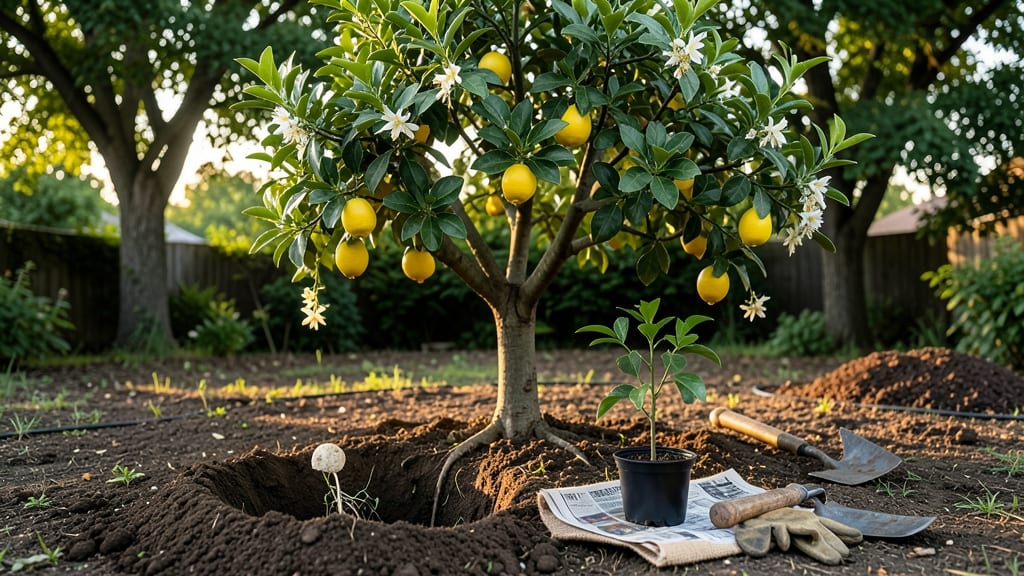
Planting your 🍋 Lemon Tree at the wrong time in California could mean the difference between a thriving citrus grove and a sad, struggling sapling. The best time to plant depends entirely on where you live—coastal regions like Santa Barbara have different rules than inland deserts near Palm Springs.
For coastal California (USDA Zone 10), late winter or early spring is ideal, when temperatures are mild and frost isn’t a risk. But inland areas (Zones 9a-9b) need a different approach—planting in late fall or winter gives roots time to establish before summer heat arrives.
Why does timing matter so much? Because a lemon tree planted too early in cold zones can suffer root damage, while one planted too late in hot areas may struggle to adapt.
I’ll break down the exact months, soil prep, and care tips to ensure your tree grows strong and productive.
Whether you’re a first-time gardener or a seasoned citrus enthusiast, getting this right sets your 🍋 Lemon Tree up for years of juicy harvests. Let’s dive into the best strategies for your specific climate zone.
Optimal planting months for lemon trees in California: coastal vs inland climate differences
California’s coastal and inland regions offer wildly different growing conditions for lemon trees. Along the coast, cool ocean breezes and mild winters create a year-round growing season, while inland areas experience hot summers and frost risks in winter.
Understanding these differences is key to choosing the right planting window for your location.
For coastal regions like San Diego or Santa Barbara, the ideal time to plant lemon trees is between November and March. This window avoids summer heat stress and ensures strong root establishment before the growing season peaks.
Inland areas, such as the Central Valley or Sacramento, have a slightly later window of February to April to escape late-winter frosts.
| Factor | Coastal Climate | Inland Climate |
|---|---|---|
| Best Planting Months | November–March | February–April |
| Temperature Threshold | 50–75°F | 55–80°F |
| Frost Risk | None (Zone 10) | High (Zone 9b) |
| Soil Prep Focus | Drainage + windbreaks | pH adjustment + mulch |
| Key Cue for Planting | After summer fog lifts | After last frost date |
Coastal areas benefit from milder winters, allowing lemon trees to establish roots without frost damage. The November–March window aligns with the natural dormancy period, giving young trees time to acclimate before summer heat.
In contrast, inland regions must wait until after the last frost date, typically February–April, to avoid cold snaps that can kill tender citrus roots.
Temperature thresholds also play a critical role. Coastal lemon trees thrive in 50–75°F soil temperatures, while inland trees need slightly warmer 55–80°F to avoid shock. Use a soil thermometer to confirm conditions before planting, especially in transitional months like March or April.
Frost risk is another major differentiator. Coastal areas like Malibu or Monterey rarely see frost, making year-round planting possible with proper care. However, inland areas such as Fresno or Bakersfield face 32°F+ frosts in winter, requiring container planting or microclimate protection if planting outside the recommended window.
Soil preparation differs too. Coastal gardeners focus on improving drainage to prevent waterlogging from winter rains, while inland gardeners prioritize raising soil pH (6.0–7.0) and adding organic matter to combat dry, alkaline conditions. Both regions should avoid planting in waterlogged or compacted soil, as lemon trees hate soggy roots.
For container planting, coastal areas can plant anytime, but inland gardeners should wait until after April 15th to ensure no late frosts. Use 5-gallon pots minimum for young trees and place them in south-facing spots to maximize sunlight.
In-ground planting requires well-draining soil mounds to prevent root rot, especially in coastal low-lying areas.
Timing your planting with seasonal cues is just as important as the calendar. In coastal regions, watch for the first signs of spring blooms on native plants—this signals it’s safe to plant.
Inland, align planting with the last frost date (check local USDA Zone maps) and avoid planting when daytime temps exceed 80°F.
Finally, consider your lemon tree’s variety. Meyer lemons tolerate cooler temps better than Eureka or Lisbon lemons, making them ideal for coastal areas. Inland gardeners should opt for heat-tolerant varieties like Villafranca and provide afternoon shade during peak summer.
By matching your planting timeline to your local microclimate, you’ll give your lemon tree the best start for vigorous growth and abundant fruit. 🌱🍋🌡️
Optimal planting months for lemon trees in California: coastal vs inland climate differences
California’s microclimates create distinct planting windows for lemon trees. Coastal regions like Santa Barbara and San Diego enjoy mild winters with minimal frost, while inland areas like Sacramento or Bakersfield face colder nights. Timing your plant correctly ensures strong root establishment and fruit production.
For coastal California, the best time to plant lemon trees is November through March. This window avoids summer heat stress and aligns with winter rains that naturally hydrate the soil. Coastal areas rarely see frost, making early planting ideal for year-round growth.
In contrast, inland California—including the Central Valley and desert regions—requires planting between February and April. These areas experience cooler winters with occasional frost, so planting too early risks root damage.
Aim for 6-8 weeks before last frost to give roots time to establish before summer heat arrives.
🌱 Coastal vs Inland Planting Comparison
| Region | Best Planting Window | Key Considerations |
|---|---|---|
| Coastal (Zone 10) | November–March | No frost risk; winter rains aid root growth |
| Inland (Zone 9b) | February–April | Avoid frost; spring warmth boosts establishment |
| Desert (Zone 9a) | Late winter (Feb–March) | Drought conditions require extra watering |
Temperature thresholds also play a critical role. Lemon trees thrive in 60–85°F soil temperatures. Coastal areas maintain these conditions year-round, while inland regions should plant when daytime temps consistently stay above 55°F. Use a soil thermometer to monitor if unsure.
Container planting offers flexibility for both regions. Potted lemon trees can be moved indoors during winter months in inland areas or placed in protected microclimates (like near south-facing walls) to extend the growing season. Just ensure containers have drainage holes to prevent root rot.
Regardless of your location, always choose a dwarf or semi-dwarf variety for easier maintenance. Varieties like ‘Meyer’ or ‘Eureka’ adapt well to California’s climate and produce fruit year-round with proper care. 🌿