
Plants
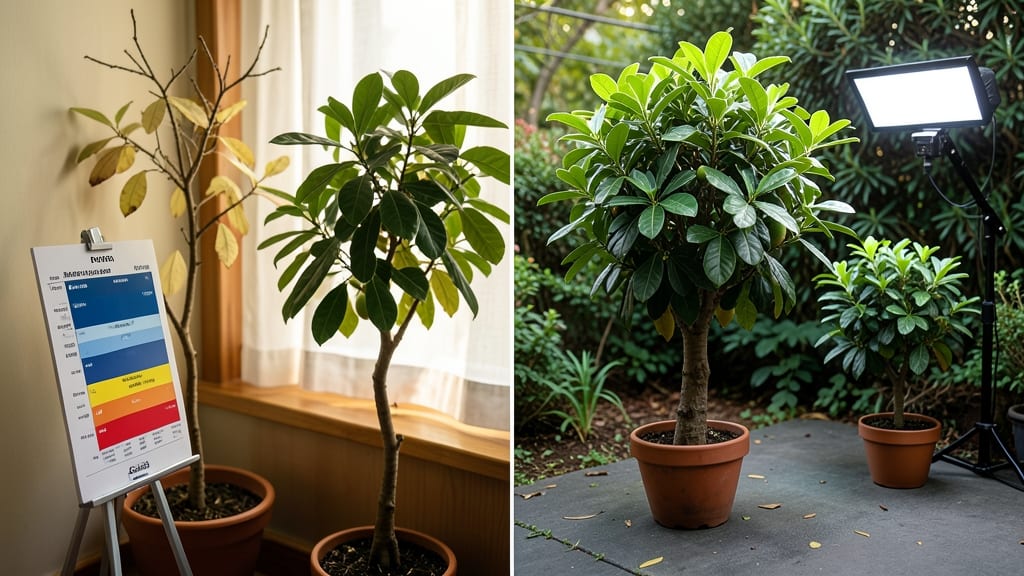
If you’re wondering how much light does an avocado plant need, you’re not alone—most gardeners underestimate just how much sunlight these tropical trees truly crave.
The difference between a thriving avocado and a leggy, weak one often comes down to sunlight exposure, and getting it right can mean the difference between a healthy plant and one that struggles to survive.
Avocados are sun-lovers at heart, demanding at least 6-8 hours of bright, direct light daily to grow strong and produce fruit. Too little light leads to pale, weak stems and sparse leaves, while too much can scorch delicate foliage—especially in hot climates.
The key is finding that sweet spot where your plant gets enough energy without getting stressed.
Whether you're growing your avocado indoors near a south-facing window or outdoors in USDA Zone 6, I’ll break down exactly how to assess your plant’s light needs and make adjustments.
You’ll learn how to spot the signs of light deficiency or excess, plus smart solutions for supplementing sunlight when natural light falls short.
Let’s dive into the sunlight rules your avocado plant needs to thrive—and keep it from turning into a sad, stretchy shadow of its potential.
 Best Window Placement
Avocado plant light requirements by growth stage: seedling to mature tree
Avocado plants are finicky about light—give them too little, and they’ll stretch pitifully toward windows, while too much scorches their delicate leaves. The key is understanding their evolving needs as they grow from a tiny seedling to a towering tree.
Each stage demands different light exposure, and getting it wrong can stall growth or even kill your plant. Let’s break down exactly how much sunlight your avocado plant needs at every phase of its life.
For seedlings, the stakes are highest because their roots and stems are fragile. These young plants need bright, indirect light for 6–8 hours daily—think east-facing windows or a spot just a few feet from a south window.
Direct midday sun can burn their tender leaves, so filter light with a sheer curtain if needed. If your seedling starts leaning toward the light, it’s begging for more exposure, but rotate its pot weekly to prevent lopsided growth.
| Growth Stage | Daily Sunlight Needs | Ideal Light Source | Warning Signs of Low Light |
|---|---|---|---|
| Seedling (0–1 year) | 6–8 hours (bright, indirect) | East/south window, grow light 12" away | Leggy stems, yellowing leaves, slow growth |
| Juvenile (1–3 years) | 8–10 hours (morning sun + afternoon shade) | South/west window, partial outdoor shade | Stunted growth, pale leaves, weak branches |
| Mature (3+ years) | 10–12+ hours (full sun) | Outdoor south/southwest exposure | Leaf scorch, fruit drop, reduced flowering |
Once your avocado reaches the juvenile stage (1–3 years old), it can handle slightly more sun—aim for 8–10 hours daily. This is when you can start transitioning it outdoors, but avoid harsh afternoon sun in hot climates.
Look for a spot with morning sun and afternoon shade, like a patio with dappled sunlight. If your plant’s leaves turn yellow between veins, it’s a classic sign of too much direct sun. Conversely, if growth slows dramatically, it’s craving more light.
By the time your avocado becomes a mature tree (3+ years), it’s ready for full sun exposure—think 10–12+ hours daily. Outdoor trees thrive in south- or southwest-facing locations where they can soak up unfiltered sunlight.
If you’re growing it in a container, move it outdoors year-round in warm climates (USDA Zones 9–11) or bring it inside before winter. Mature trees left in low light will produce fewer flowers and fruit, and their leaves may develop brown, crispy edges from stress.
Watch for these red flags: If your avocado’s leaves are dark green and rubbery, it’s getting too much indirect light. If they’re yellow with brown spots, it’s sunburned. And if new growth is stretched and weak, it’s starving for light.
Adjust gradually—sudden changes can shock the plant. For indoor growers, supplement with a 15W LED grow light 12–18 inches away for 12–14 hours daily during winter months when sunlight is scarce.
Pro tip: Rotate your avocado plant quarter-turns every 2–3 days to ensure even light exposure. This prevents one side from becoming lopsided and ensures all leaves get equal energy. And if you’re growing outdoors, monitor for leaf scorch during heatwaves—provide afternoon shade with a sheer cloth if needed.
With the right light balance, your avocado will reward you with glossy leaves, strong branches, and—eventually—juicy fruit.
Remember, avocados are tropical trees at heart, so they crave intensity. Don’t be afraid to give them plenty of light—they’ll thank you with lush, vigorous growth.
Start with the right conditions now, and you’ll set your plant up for decades of success, whether it stays in a pot or grows into a backyard giant.
How to test and adjust your avocado plant's light exposure
Avocado plants are tropical divas that crave bright, direct sunlight—at least 6-8 hours daily—to thrive. But many indoor growers unknowingly starve their plants by placing them in dim corners.
The key is understanding your plant's light hunger signals and making adjustments before problems like yellowing leaves or stunted growth appear.
Start by observing your avocado's growth patterns. Healthy leaves should be deep green and glossy, while new growth should emerge regularly. If you notice pale, yellowing leaves or leggy, spindly stems, your plant is begging for more light.
These signs often appear before the damage becomes irreversible, so act fast!
Your avocado plant needs full sun exposure (6+ hours daily). Without it, you risk:
- ❌ Leggy growth (stems stretch toward light)
- ❌ Yellow leaves (chlorosis from poor photosynthesis)
- ❌ No fruit (plants won't flower without proper light)
Fix it: Move to a south-facing window or supplement with grow lights (12-14 hours/day).
To test your avocado's current light conditions, use the shadow test. Place a small object near your plant and mark its shadow every hour. If your plant receives less than 4 hours of direct light (sharp, defined shadows), it's time to relocate.
For indoor setups, south-facing windows provide the most consistent light, while west-facing windows offer intense afternoon sun—ideal for summer growth.
Adjusting natural light is simple: rotate your plant quarter-turns weekly to ensure even exposure. If moving outdoors, acclimate gradually over 7-10 days to avoid sunburn. For indoor plants, grow lights are a game-changer.
LED grow lights (6000K-6500K color temperature) placed 6-12 inches above the plant mimic full sun. Run them for 12-14 hours daily to compensate for weak natural light.
Pro tip: Monitor your plant's leaf angle. Leaves growing toward the light source (etiolation) mean it's time to adjust. Conversely, dark green, upright leaves signal optimal light.
In winter, when daylight shrinks, supplement with a timer-controlled grow light to maintain consistency. This mimics the tropical daylight cycle avocados evolved in.
Remember, avocados are sun-worshippers. If you notice burnt leaf edges (crispy brown tips), your plant is getting too much direct sun. Provide partial shade with sheer curtains or move it slightly away from the window. Balance is key—your goal is bright, indirect light that fuels growth without scorching.