
Plants
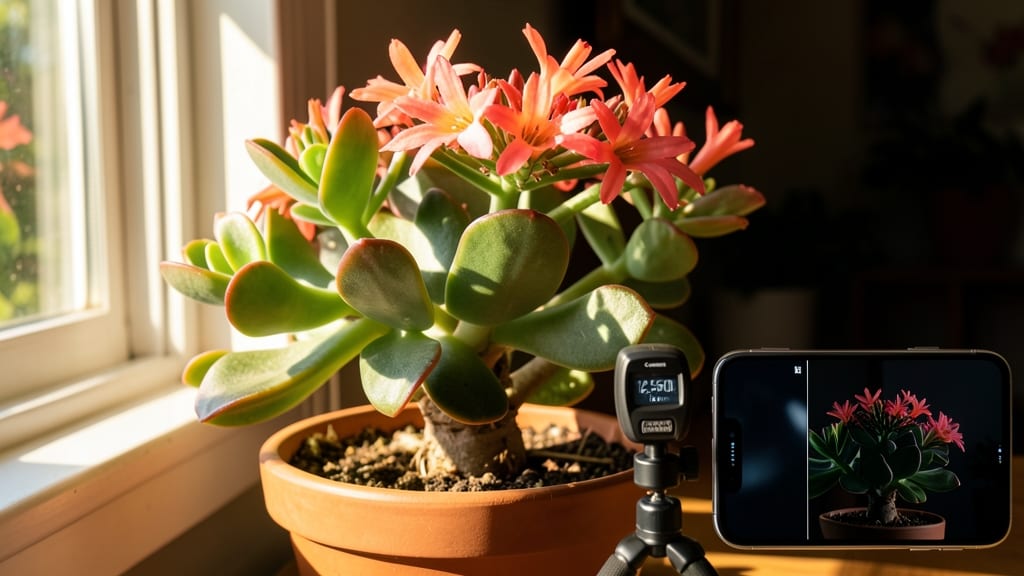
To keep your kalanchoe plant thriving with vibrant blooms and sturdy stems, you need to nail its light needs—and most people get it wrong. This cheerful 🌸 succulent craves bright conditions but hates harsh midday sun, making the balance tricky for even experienced plant parents.
The golden rule? Aim for 3-4 hours of bright, indirect sunlight daily—think east-facing windows or filtered light near a sheer curtain. Too little light, and your kalanchoe stretches awkwardly (a sign called etiolation), while too much direct sun can scorch those pretty leaves faster than you can say "overwatered."
Whether you're growing yours indoors by the kitchen window or outdoors in USDA Zone 6, small tweaks make all the difference. I’ll show you exactly how to spot light stress and adjust your setup so your kalanchoe stays perky year-round—no guesswork required.
Ready to transform that leggy, sad-looking plant into a bushy beauty? Let’s dive into the light secrets that’ll have your kalanchoe blooming like it’s on a tropical vacation.
 Best Window Placement
Ideal light requirements for kalanchoe plants: bright indirect sun vs. direct sunlight
Kalanchoe plants thrive in bright, indirect sunlight, making them perfect for east- or west-facing windows where they receive gentle morning or afternoon rays. This succulent family actually struggles in deep shade, which causes etiolation—those sad, stretched stems you’ve probably seen.
The key is mimicking their natural habitat in semi-arid regions, where they bask in filtered light under trees.
While they can tolerate 2-3 hours of direct sunlight daily, especially in cooler months, prolonged exposure risks sunburn—visible as crispy, white patches on leaves.
My Kalanchoe blossfeldiana once looked like it got a sunburn after a summer afternoon in full sun, so I moved it back under sheer curtains. The recovery was slow but complete!
For optimal growth, aim for 4-6 hours of bright indirect light per day. This light level promotes compact growth, vibrant foliage, and prolonged blooming when they flower. Without enough light, your kalanchoe will stretch toward any available source, weakening its structure and reducing flower production.
Here’s how different light conditions affect your kalanchoe’s health:
Seasonal adjustments are crucial, especially if you’re growing kalanchoes outdoors. In spring and fall, they can handle 3-4 hours of morning sun without issues. However, during summer’s intense midday rays, even a few hours of direct sunlight can cause damage.
I’ve found that placing them on a patio with dappled shade (like under a pergola) works beautifully.
Watch for these visual cues to gauge if your kalanchoe is getting the right light: deep green leaves mean it’s happy, while yellowing or reddening indicates stress.
My Kalanchoe tomentosa (panda plant) developed red edges when it got too much direct sun—once I moved it back, the color normalized within weeks.
If your kalanchoe isn’t flowering, it’s often a sign of insufficient light. These plants need bright conditions to trigger blooming. A simple trick is to rotate the pot weekly so all sides get even light exposure. This prevents lopsided growth and ensures your plant stays symmetrical and healthy.
For indoor growers, grow lights are a game-changer. A full-spectrum LED grow light placed 6-12 inches above your kalanchoe for 12-14 hours daily mimics natural light perfectly. I use a 10W clip-on light for mine during winter months when natural light is scarce.
Remember, kalanchoes are succulents first, so they’re more forgiving than many houseplants—but only if you nail the light. Start with bright indirect light, monitor their response, and adjust gradually. With the right light, your kalanchoe will reward you with years of lush growth and stunning blooms.
How to adjust light for kalanchoe plants in different environments (indoors vs. outdoors)
Your kalanchoe’s light needs shift dramatically depending on whether it’s basking in your sunroom or lounging by the backyard patio. The key is replicating its natural bright, filtered habitat—whether that means rotating pots or using sheer curtains. Let’s break down the best spots and fixes for both setups.
Indoors, the east-facing window is your golden ticket—it delivers gentle morning sun without the harsh afternoon rays. If that’s not an option, a south-facing window works too, but move your plant 3 feet back to avoid scorching.
North-facing windows? Skip them unless you’re supplementing with grow lights (more on that below).
Outdoors in USDA Zone 6, your kalanchoe thrives in partial shade during summer’s peak (think 30-50% shade cloth or dappled sunlight under trees). In spring or fall, you can gradually introduce it to morning sun—just avoid the 10 AM–4 PM window when UV rays are strongest.
Place your kalanchoe within 3 feet of a south or east window. If growth slows, rotate the pot weekly so all sides get equal light.
Move to a spot with indirect light or use a sheer curtain to diffuse harsh rays. Watch for reddish-brown leaves—a classic sunburn sign.
Start with 2-3 hours of morning sun in spring, then increase to 4-6 hours by summer. Always provide afternoon shade.
Use a LED grow light 6–12 inches above the plant for 12–14 hours daily. Fluorescent bulbs (6000K) work too but need closer placement.
If your plant gets leggy from low light, trim the stems just above a leaf node. This encourages bushier growth and a fuller look.
Seasonal shifts matter too! In winter, when daylight fades, supplement with a grow light or rotate your plant closer to the brightest window. Conversely, in summer, watch for heat stress—if leaves feel mushy or crispy, it’s time to move your kalanchoe to a cooler, shadier spot.
Pro tip: Observe your plant’s behavior. Happy kalanchoes have deep green leaves and compact stems. If yours is stretching toward the light or developing pale, weak stems, it’s begging for more (or better quality) light. Small adjustments now will keep it thriving for years.