
Plants
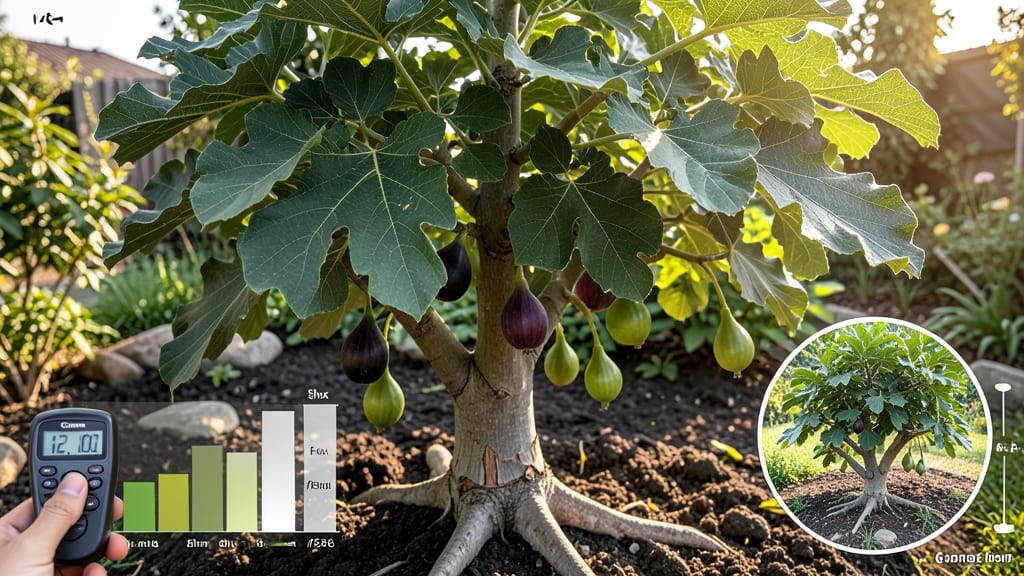
How much light does a fig plant need? Like coffee addicts, fig trees crave sunlight—too little leaves them weak, while too much can scorch their leaves faster than you can say "harvest season." If you're struggling to keep your fig tree thriving, you're not alone: 6-8 hours of direct light is the golden rule for happy growth, but indoor setups and regional climates complicate things.
Outdoors, your fig tree will stretch toward the sun like a sunbather on vacation, but indoors? A south-facing window becomes its best friend—unless you're in a shady apartment, where artificial grow lights might save the day.
The tricky part? Fig trees don’t just need light; they need the right balance to avoid leggy stems or crispy edges.
I’ve watched my own fig plants transform from sad, sparse branches to lush, fruit-bearing trees by tweaking their light exposure—whether that meant moving them closer to a window or shielding them from harsh afternoon rays.
Let’s break down exactly how much light your fig needs, whether it’s basking in full sun or struggling under fluorescent bulbs.
You’ll learn how to spot light deficiencies (hello, yellow leaves!) and when to pull back before the sun becomes the enemy. By the end, your fig will be soaking up the perfect amount of light—and you’ll be the proud gardener reaping the sweet rewards.
 Best Window Placement
Fig plant sunlight requirements: indoor light needs explained
Indoor fig plants need bright, indirect light to thrive, but they can't handle harsh direct sunlight that causes leaf scorch. Without enough light, your plant will grow slowly with yellowing leaves, a clear sign of light deficiency.
Most indoor figs do best near south-facing windows, where they receive the most natural light throughout the day.
Fig plants are sun-loving trees, but indoors, you'll need to mimic 6-8 hours of sunlight they'd get outdoors. Without proper light, your plant may stop producing fruit or develop weak, leggy stems. The key is finding that sweet spot between too much and too little light exposure.
🌱 Fig Plant Indoor Light Requirements
| Light Intensity | Hours Needed | Best Location | Growth Result |
|---|---|---|---|
| Low Light | < 4 hours | North-facing window | Slow growth, yellow leaves |
| Medium Light | 4-6 hours | East/west window | Moderate growth, few fruits |
| High Light | 6-8+ hours | South window or grow light | Healthy growth, abundant fruit |
Note: Use sheer curtains to filter harsh sunlight and prevent leaf burn.
If your home lacks natural light, consider using a grow light system to supplement your fig plant's needs. LED grow lights with a red-blue spectrum are ideal for promoting photosynthesis and fruit production.
Position the light 6-12 inches above the plant and provide 12-16 hours of light daily during winter months when daylight is limited.
Watch for early warning signs of light issues. If your fig plant's leaves turn yellow between veins, it's likely getting too much direct sun. Conversely, dark green, sparse leaves indicate insufficient light.
Rotate your plant quarter-turns weekly to ensure even growth and prevent it from leaning toward the light source.
For urban gardeners with limited windowsill space, reflective surfaces like mirrors or white walls can help bounce extra light onto your fig plant. Place your plant near a white-painted wall to maximize light reflection and create a brighter growing environment without direct sun exposure.
Some fig varieties tolerate lower light better than others. Chicago Hardy and Celeste figs are more adaptable to medium-light conditions, making them great choices for indoor growers with limited natural light. However, even these varieties will produce more fruit with optimal light exposure.
During winter, when daylight hours shrink, your indoor fig plant may enter a dormancy-like state. Reduce watering and maintain consistent light levels to prevent stress. If you notice bud drop or leaf loss, it's often a sign the plant needs more light or better humidity.
Pro tip: Place your fig plant near a humidifier to create a tropical microclimate that mimics its natural environment. This helps the plant retain moisture and photosynthesize more efficiently, especially in low-light conditions. Aim for 40-60% humidity to keep your fig plant thriving indoors.
If you're growing your fig plant in a container, choose a pot with good drainage and place it on casters for easy repositioning. This lets you rotate the plant as needed and adjust light exposure throughout the day for balanced growth. 🌱
Outdoor sunlight rules: maximizing growth and fruit production
When your fig tree moves outdoors, it enters its prime—where 6-8 hours of direct sunlight fuels rapid growth and sweet fruit production. But too much sun without proper acclimation can lead to sunburned leaves or stunted growth. The key? Gradual exposure and smart placement to balance light and heat.
Outdoor figs thrive in full sun, but their tolerance varies by variety. Heat-loving types like 'Brown Turkey' or 'Celeste' can handle intense afternoon rays, while cooler-climate varieties may need afternoon shade. Always start with morning sun and ease into full exposure over 2-3 weeks to avoid shock.
Watch for these sunlight stress signs: crispy leaf edges, brown patches, or leaves curling like parchment. These mean your fig is getting too much direct heat. If this happens, move it to partial shade (3-6 hours of sun) or provide afternoon shade cloth.
Mulching around the base helps regulate soil temperature and retain moisture.
Seasonal adjustments are crucial. In summer, figs may need afternoon shade to prevent wilting, while spring and fall offer ideal gentler sunlight for steady growth. If you're in a hot climate (USDA zones 8-11), prioritize drip irrigation to keep roots cool and leaves hydrated during peak sun hours.
⚠️ Warning: Sunburn Risk
Fig leaves can scorch in under 2 hours of intense midday sun if not acclimated. Brown patches or white/yellow spots mean immediate action: move to shade and water deeply to reduce stress.
For container-grown figs, rotate pots weekly so all sides get even sunlight. This prevents lopsided growth and ensures fruit develops uniformly. If your fig is in a small pot, its roots may dry out faster—water deeply when the top inch of soil feels dry.
Pro tip: Prune lightly in late winter to open the canopy for better air circulation and sunlight penetration. Remove only dead or crossing branches—figs are forgiving, but over-pruning reduces next year's fruit potential.
With the right balance of sun and care, your outdoor fig will reward you with abundant harvests and lush foliage.