
Plants
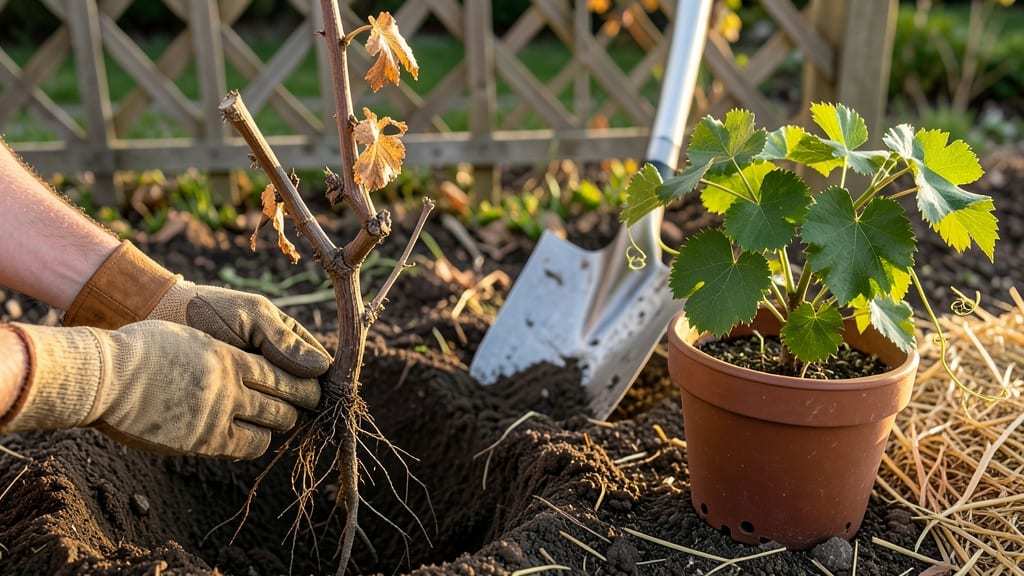
Planting grapes in Missouri at the wrong time could mean the difference between thriving 🍇 vines and lost investment—especially in USDA Zones 5b-6b where late frosts still lurk into April.
Missouri gardeners know the struggle: too early, and tender roots freeze; too late, and vines struggle to establish before summer heat. The sweet spot? Late winter to early spring, when soil warms but frost risks fade—typically February through April—but there’s more to it than just dates.
Whether you’re planting dormant bare-root canes or potted vines, timing aligns with soil temperatures, dormancy cycles, and Missouri’s notorious March frost surprises. I’ll break down the exact windows, soil prep secrets, and variety-specific tricks to set your vines up for a bountiful harvest—no guesswork.
Ready to avoid the common mistakes that leave Missouri growers scratching their heads? Let’s get your grapes off to the right start.
Best planting months for Missouri grapes: Zone 5-6 climate breakdown
Missouri’s Zone 5-6 climate demands precise timing for grape planting to avoid frost damage and ensure strong canes. The ideal window spans from late winter to early spring, but the best choice depends on whether you’re planting bare-root vines or potted grapes.
In northern Missouri, where frost lingers longer, aim for March-April, while southern regions can extend planting into early May.
Bare-root grapes thrive when planted in dormancy, typically between February and March, before buds swell. This timing allows roots to establish before spring growth begins.
Potted grapes, however, need a 6-8 week head start and should go into the ground 6 weeks before the last frost—usually mid-April in most of Missouri.
Missouri’s frost-free season averages 165 days, but early frosts can strike as early as November 15. Planting too late risks winter dieback, while planting too early may expose young vines to soil-heaving during freeze-thaw cycles.
The sweet spot balances soil warmth (at least 50°F) with frost risk.
Here’s how Missouri’s microclimates affect planting:
- Northern MO (Zone 5b): Stick to March-April for bare-root; avoid May planting entirely.
- Central MO (Zone 6a): Flexible March-May window, but prioritize April for potted vines.
- Southern MO (Zone 6b): Can plant bare-root until early May if frost risk is low.
Missouri’s soil temperatures play a critical role in grape establishment. Bare-root vines need 40–50°F soil to root effectively, while potted grapes require warmer soil (50–60°F) to prevent shock. Use a soil thermometer to monitor—planting when soil hits 50°F minimizes transplant stress. In cold springs, delay until soil warms naturally.
Adjust your planting timeline if Missouri’s weather throws curveballs. For example, if unseasonable warmth arrives in February, resist the urge to plant early—dormant canes need chilling hours to break dormancy properly.
Conversely, if late frosts hit in May, opt for container-grown vines with row covers for extra protection.
Local nurseries like Mossy Creek Nursery (Columbia) or Stortz Gardens (St. Louis) stock cold-hardy varieties like Concord and Niagara—ideal for Missouri’s climate. These varieties tolerate Zone 5 frosts better than Cabernet Sauvignon or Chardonnay, which need Zone 6+ protection. Always check rootstock compatibility for your soil type.
After planting, prioritize consistent moisture and mulching to retain soil warmth. In dry springs, water deeply 2–3 times per week until vines establish roots. By June, reduce watering to encourage drought tolerance—a must for Missouri’s summer heat and humidity, which can stress young vines.
How to time grapes for maximum canes: soil prep and transplanting tricks
Missouri’s cool springs and late frosts demand precise timing when planting grapes. The secret to strong canes lies in preparing your soil and transplanting at the right moment—typically when soil temperatures hit 50°F (10°C) and stay consistent.
This usually falls between mid-March and early April in most of Missouri, but northern areas like St. Louis may need to wait until late April.
Before planting, focus on soil drainage and organic matter—grapes hate soggy roots. Test your soil’s pH (6.0-7.0) and amend with compost or well-rotted manure to improve structure. Avoid fresh manure, as it can burn young roots and stunt cane growth.
For bare-root vines, soak roots in water for 4-6 hours before planting to rehydrate them. If using potted vines, harden them off by placing them outside in partial shade for 3-5 days before transplanting. This gradual adjustment prevents shock and helps canes establish faster.
🌱 Step-by-Step Transplanting Guide for Missouri Grapes
- Step 1: Dig a hole twice as wide as the root ball but only deep enough to fit roots without bending. Place a hill of soil at the bottom to support roots.
- Step 2: Position the vine so the graft union (if present) sits 2-3 inches above soil level. This prevents rot and ensures proper growth.
- Step 3: Backfill with native soil mixed with compost to improve fertility. Water deeply to eliminate air pockets and settle the soil.
- Step 4: Install a trellis or support stake immediately to guide cane growth. Grapes need structure to thrive and produce fruit efficiently.
- Step 5: Mulch around the base with straw or wood chips to retain moisture and suppress weeds. Keep mulch 3-4 inches away from the trunk to prevent rot.
After transplanting, water deeply once a week for the first 4 weeks to encourage root establishment. Avoid overhead watering, as it can spread fungal diseases like black rot—a common issue in Missouri’s humid summers. Instead, use a drip irrigation system or soaker hose for targeted moisture.
To harden off young vines before Missouri’s first frost (typically mid-November), reduce watering in late summer and stop fertilizing by early September. This signals the vines to harden off, making them more resilient to cold.
Prune canes back by 1/3 in early spring to promote vigorous new growth and better fruit production.
With the right soil prep and transplanting timing, your grapevines will develop thick, sturdy canes ready for Missouri’s growing season. Patience and attention to detail now mean healthier vines and bigger harvests in years to come. 🍇