
Companion Plants
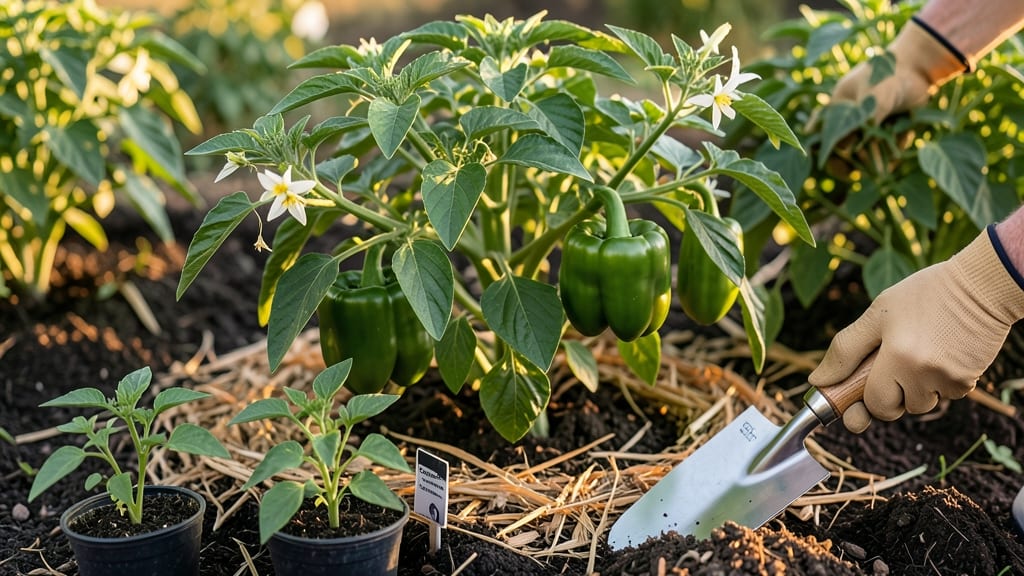
Planting bell peppers 🌶️ in Pennsylvania isn’t just about tossing seeds into the dirt—it’s about timing them perfectly to avoid frost, maximize heat, and ensure a bountiful harvest.
If you’ve ever watched your seedlings wilt overnight or struggled with underripe peppers, you know how critical the right planting window can be.
In PA’s heat zones 6-7, the difference between a thriving garden and a failed crop often comes down to soil temperature and last frost dates. While mid-April might feel like the perfect time to start, rushing could leave your peppers vulnerable to late frosts or stunted growth.
I’ll show you exactly when to plant—whether you’re starting seeds indoors or transplanting seedlings—for the most reliable results.
From Pittsburgh’s cooler evenings to Philadelphia’s humidity, regional microclimates play a huge role in success. We’ll cover how to adjust your timeline based on your specific zone, plus pro tips for extending your growing season if you’re eager to try late plantings.
No more guessing—just science-backed deadlines tailored to Pennsylvania’s climate.
Ready to grow peppers that actually produce? Let’s dive into the exact dates and strategies that’ll turn your garden into a flavor-packed success—no frost-related disasters included.
PA heat zones 6-7: exact planting deadlines for bell peppers (avoid frost & bolting)
Pennsylvania’s heat zones 6-7 offer ideal conditions for growing bell peppers, but timing is everything. Plant too early, and frost will kill tender seedlings. Plant too late, and your harvest may suffer from bolting or poor fruit set.
The key is understanding your local frost dates and soil temperature requirements to maximize your growing season.
Most of Pennsylvania falls within USDA zones 5b-7a, meaning your last spring frost typically occurs between April 15 and May 15, depending on your exact location.
For bell peppers, which thrive in warm soil, waiting until after the last frost is critical—but so is ensuring the soil has warmed to at least 60°F for optimal germination and growth.
Why timing matters: Bell peppers are warm-season crops that need consistent temperatures above 55°F to grow well. Planting too early can stunt growth, while late planting may not give your peppers enough time to mature before the first frost in mid-October. Below is your heat zone-specific planting timeline to avoid these pitfalls.
| Zone & Location | Last Frost Date | Safe Planting Window | Soil Temp Requirement | Method |
|---|---|---|---|---|
| Zone 6 (Pittsburgh, State College) | April 20-May 5 | May 10-June 1 (transplants) / June 15 (direct sow) | 60°F+ | Transplants preferred |
| Zone 6-7 (Harrisburg, Lancaster) | April 15-May 1 | May 1-June 10 (transplants) / June 1-15 (direct sow) | 60°F+ | Transplants or direct sow |
| Zone 7 (Philadelphia, Reading) | April 1-May 10 | April 25-June 15 (transplants) / May 15-June 20 (direct sow) | 60°F+ | Both methods work |
| All Zones (Late Planting) | N/A | July 1-August 15 (fast-maturing varieties) | 65°F+ | Transplants only |
If you’re unsure about your exact last frost date, check the USDA Plant Hardiness Zone Map or use local weather resources like the Penn State Extension.
For example, Philadelphia (Zone 7b) typically sees its last frost around April 15, while Pittsburgh (Zone 6b) waits until May 1. These differences can shift your planting window by weeks!
For direct sowing, wait until the soil is consistently above 60°F and all frost risk has passed. In most of PA, this means planting bell pepper seeds between mid-June and early July for a late-summer harvest.
However, transplants give you a head start—plant them 4-6 weeks before your last frost, typically in late April to early May for Zone 7 and early May to mid-May for Zone 6.
Pro tip: Use black plastic mulch to warm the soil faster and extend your planting window. This simple trick can help you plant 1-2 weeks earlier in spring and delay fall planting by 2-3 weeks, giving your peppers more time to mature.
Just lay the mulch down 1-2 weeks before planting to let it heat up the soil.
One common mistake is assuming that because your area is frost-free, you can plant bell peppers early. Cold soil and nighttime temperatures below 50°F can stunt growth or cause bolting—when plants flower prematurely instead of producing fruit. Always check soil temperature with a soil thermometer before planting.
For gardeners in Zone 7 (southern PA), you can push the envelope further. Start transplants indoors in mid-March and move them outside by late April. In Zone 6 (northern PA), stick to late April to early May for transplants to avoid frost damage.
If you’re in a microclimate (like a sunny south-facing slope), you might safely plant 1-2 weeks earlier than the general guidelines.
Remember, bell peppers need 70-90 days to mature, so plan accordingly. If you’re growing short-day varieties (like 'Carmen' or 'King of the North'), you can extend your season slightly, but most varieties still need warm
5 Critical factors that determine your bell pepper planting timeline in PA
Planting bell peppers in Pennsylvania isn’t just about avoiding frost—it’s about soil warmth, variety selection, and local microclimates. These 5 critical factors will help you pinpoint the perfect window for your garden, whether you’re in Pittsburgh’s cooler hills or Philadelphia’s urban heat islands.
First, soil temperature is non-negotiable. Bell peppers won’t germinate below 60°F, and growth stalls under 55°F. Use a soil thermometer to confirm readiness—especially in northern PA zones where spring lingers.
Next, choose the right variety. Long-day varieties (like ‘California Wonder’) thrive in PA’s extended summers, while short-day types (e.g., ‘Jalapeño’) may bolt prematurely. Always check seed packets for “days to maturity” and align with your first frost date.
Your microclimate matters too. A south-facing slope warms faster than a shady valley. Urban areas like Allentown can be 5–10°F warmer than rural zones, giving you an earlier start. Observe your garden’s warmth patterns for 2–3 years to refine your timeline.
If you’re starting seeds indoors, begin 8–10 weeks before your last frost date. Use grow lights to avoid leggy seedlings, and harden off plants for 7–10 days before transplanting. Seedling shock is a common pitfall—don’t rush this step!
Finally, succession planting can extend your harvest. Sow new seeds every 2 weeks until July 15 to ensure peppers mature before fall frosts. In southern PA (Zone 7a), you might even squeeze in a late August transplant for a fall crop.
Pro tip: Use black plastic mulch to warm soil 5–10°F faster than bare earth. This trick lets you plant 2–3 weeks earlier in cooler zones like Erie or Scranton.
- 🌡️ Soil must be 60°F+—wait for warmth, not just frost-free dates.
- 🌶️ Long-day varieties (e.g., ‘Sweet Banana’) outperform short-day types in PA.
- 🏙️ Urban areas (e.g., Philly) can plant 10 days earlier than rural zones.
- 📅 Start seeds indoors 8–10 weeks before last frost; transplant after May 15 in most of PA.
- 🔄 Succession plant every 2 weeks until July 15 for continuous harvests.
Remember: Early planting risks frost damage, while late planting may not yield mature peppers before fall. Balance these factors, and you’ll enjoy homegrown bell peppers from July to October—no grocery store in sight!