
Plants
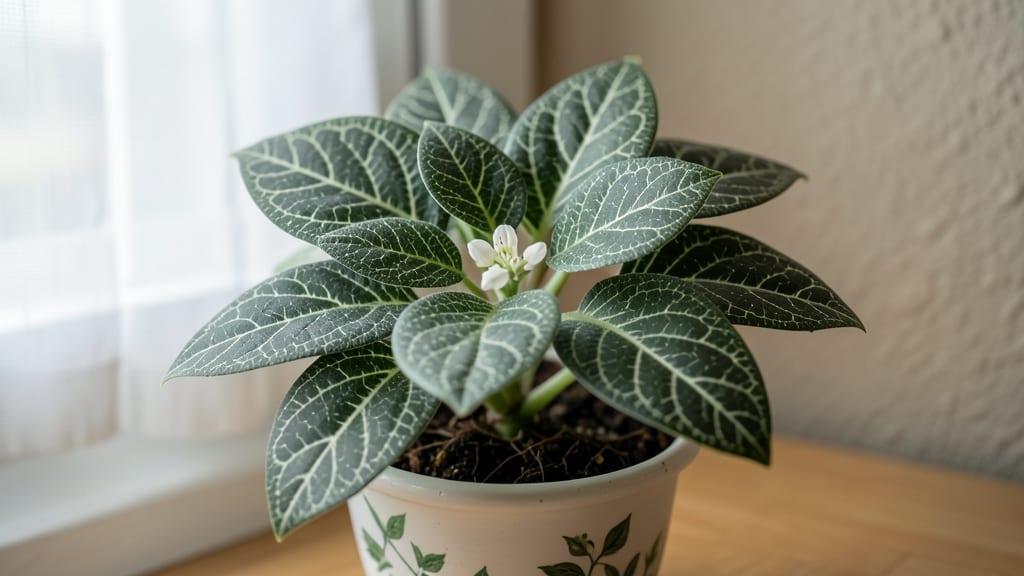
Optimal light requirements for nerve plant: exact hours and intensity breakdown
Your nerve plant (Fittonia) thrives on bright indirect light—the perfect balance between too little and too much. Without it, those stunning veined foliage patterns fade to pale, dull colors, and growth slows dramatically.
Most plant owners overestimate their home's natural light, leading to common mistakes like placing Fittonia in harsh afternoon sun or dim corners where it struggles.
The ideal light exposure for nerve plants falls between 4-6 hours daily of filtered sunlight. This means positioning your plant near an east-facing window (gentle morning sun) or 2-3 feet back from a south-facing window where direct rays are diffused.
In my experience, west-facing windows can become too intense, especially in summer afternoons, causing leaf scorch.
Here's the light intensity scale nerve plants prefer, ranked from best to worst: bright indirect (70% ideal), medium indirect (50% acceptable), low light (30% survival only), and direct sun (10% risk of damage).
The key is replicating the dappled light conditions of their native understory habitats in tropical rainforests.
| Light Condition | Daily Hours | Best Window Placement | Foliage Impact |
|---|---|---|---|
| Bright Indirect | 4-6 hours | East-facing, 2-3 ft back from south | Vibrant veins, compact growth |
| Medium Indirect | 2-4 hours | North-facing or filtered west | Muted colors, leggy stems |
| Low Light | <2 hours | Bathroom, basement | Pale leaves, slow growth |
| Direct Sun | >6 hours | South/west windows without filter | Brown patches, crisp edges |
Seasonal adjustments are crucial because winter light is naturally weaker in most homes. During December-February, supplement with a 12-inch LED grow light for 6-8 hours daily to maintain those pink/white veins.
I've found that even a simple 15-watt bulb placed 12 inches above the plant can make a dramatic difference in winter months when natural light drops below 3 hours daily.
For spring and fall, aim for 5 hours of indirect light by rotating your plant quarter-turns weekly. This prevents one-sided growth where the plant leans toward the light source.
In my collection, I use a rotating plant stand to automate this process—it's a game-changer for maintaining symmetrical foliage patterns.
Pro tip: Test your light conditions with the "shadow test". Hold a white piece of paper near your plant during peak sunlight hours. If the shadow is sharp and dark, it's direct sun—move the plant.
If the shadow is soft and faint, you've found the perfect bright indirect spot. This simple trick saves hours of trial and error.
Remember that artificial lighting counts too! Fluorescent bulbs (like 5000K daylight spectrum) work well for 8-10 hours daily if natural light is insufficient. Just avoid incandescent bulbs—they emit too much heat and can scorch delicate Fittonia leaves within weeks.
If your nerve plant starts showing yellowing leaves or stretched stems, it's begging for more light. Conversely, brown leaf tips or bleached veins mean it's getting too much direct sun.
The goal is to keep those veins crisp and vibrant—that's your plant's way of saying "thank you" for perfect lighting!
Signs your nerve plant has too much or too little light (with fixes)
Your nerve plant (Fittonia) may look delicate, but it’s actually quite resilient—when given the right light conditions. Too much sun causes bleached foliage or crispy edges, while too little light leads to leggy growth and faded veins.
The key is finding that sweet spot of bright indirect light—think dappled sunlight through a sheer curtain.
One of the first signs your plant is struggling is when its distinctive veins lose their vibrant color. Under low light, the leaves turn pale green, and new growth appears stretched out.
On the flip side, direct afternoon sun can scorch the leaves, leaving brown patches that look like tiny burns. These visual cues are your plant’s way of saying, “Adjust my light, please!”
Too Much Light vs. Too Little Light
- Bleached or yellowed leaves
- Brown, crispy edges
- Wilting despite proper watering
- Pale, stretched-out leaves
- Faded vein patterns
- Slow or no new growth
If your nerve plant is showing signs of light stress, don’t panic—simple adjustments can save it. For over-exposure, relocate it to a spot 3-5 feet from a window, preferably facing east or north.
If it’s underlit, consider rotating the pot weekly to ensure even growth. Artificial lighting can also help—use a 10-15 watt LED grow light 6-8 inches above the plant for 12 hours daily.
Another trick is to pair your nerve plant with light-loving companions like pothos or peace lilies. These plants thrive in similar conditions, creating a microclimate that balances light exposure. Plus, they’ll alert you if your nerve plant’s environment changes—for example, if a new window treatment cuts off sunlight.
Pro tip: Check the underside of leaves for signs of stress. If they’re dusty or covered in tiny white spots, it’s often a sign of too much direct light or poor air circulation.
Gently wipe them with a damp cloth and trim any damaged foliage to encourage healthier growth. Your nerve plant will reward you with those stunning, veiny patterns in no time!
Remember, consistency is key. Nerve plants adapt slowly to light changes, so monitor their progress over 2-3 weeks after making adjustments. With the right balance, your plant will stay lush, vibrant, and full of life—just like it’s supposed to be.